
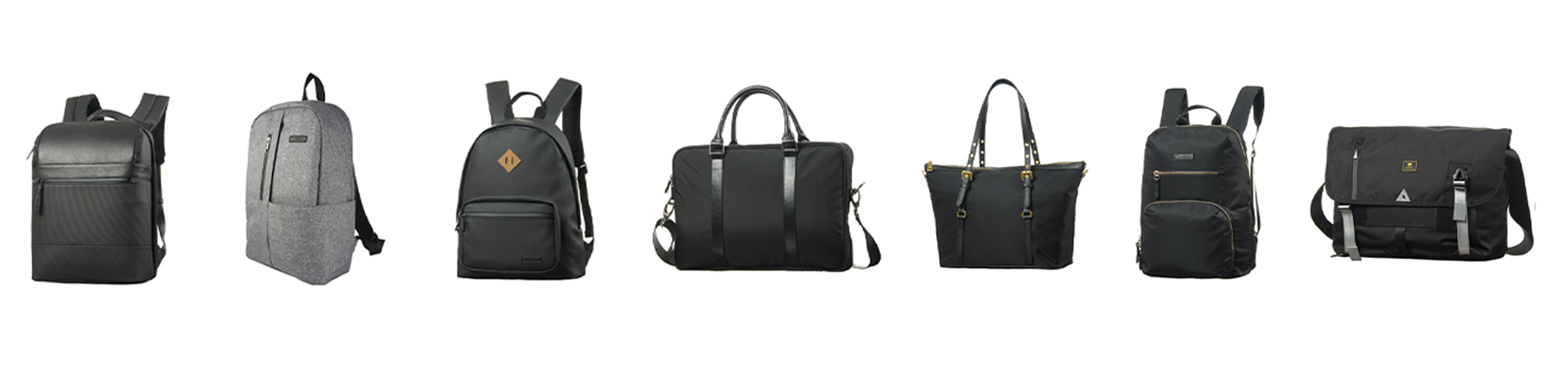
Благодаря сетчатому переплетению нитей основы и утка, армирующие ткань рибстоп, повышают износостойкость сумок.
«Почему некоторые ткани для сумок рвутся от малейшего рывка, причем разрыв распространяется, как молния, в то время как другие оставляют лишь минимальные повреждения даже при царапании острыми камнями?»
Этот вопрос нам часто задают наши глобальные B2B-клиенты. Зачастую ответ кроется не в толщине ткани, а в структуре её плетения.
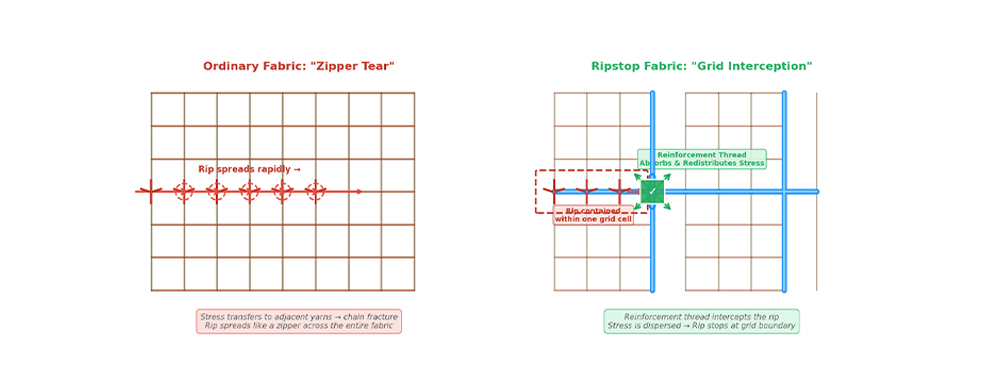
В обычных тканях простого переплетения, как только нить обрывается, напряжение мгновенно передается на соседние нити, вызывая цепную реакцию — разрыв распространяется подобно молнии. Ткань рипстоп, напротив, обладает встроенной устойчивостью к разрыву. Она не полагается на «дополнительную толщину» для прочности, а скорее на двунаправленную структуру переплетения нитей основы и утка, которая предотвращает распространение разрыва.
Сегодня мы рассмотрим принципы плетения ткани рипстоп и проанализируем, как нити основы и утка обеспечивают сумкам исключительную устойчивость к разрывам.
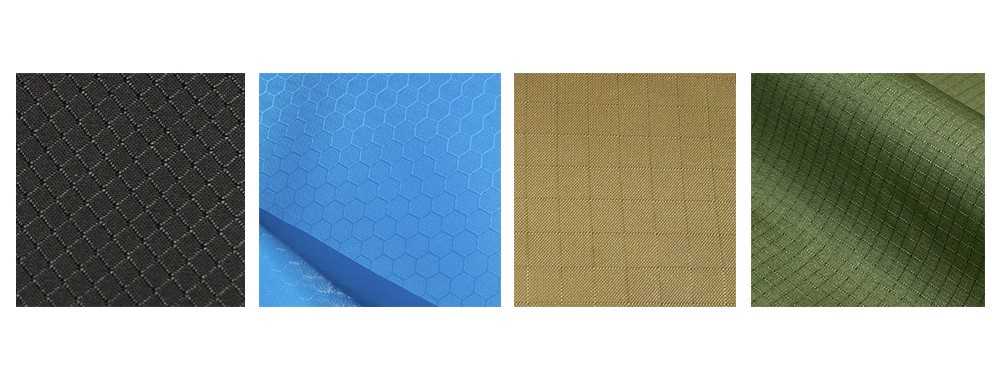
Ткань рипстоп — это функциональный текстиль, в котором высокопрочные армирующие нити переплетаются через равные промежутки поверх основного переплетения.
Чем отличается ткань рипстоп Оксфорд от стандартной ткани Оксфорд? Основное различие заключается в структуре. Вот подробное сравнение:
Особенность | Стандартный Оксфорд | Ткань рипстоп |
Механизм сопротивления разрыву | Основан исключительно на прочности пряжи. | Резьба для усиления конструкции перехватывает разрывы |
Распространение разрыва | Быстро распространяется | Находится внутри сетки |
Масса | Аналогично при эквивалентной плотности нити. | Практически никакого дополнительного веса |
Визуальная особенность | Гладкая поверхность | Видимая текстура сетки |
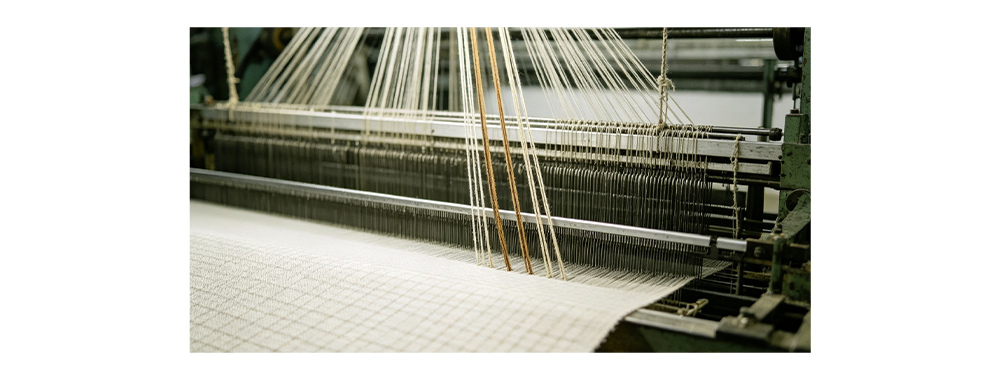
Прочность ткани рипстоп на разрыв обусловлена её высокоточной структурой плетения. Вот техническое описание:
В основе ткани рипстоп лежит простое переплетение (1×1) или корзиночное переплетение 2×2. Через равные промежутки как в продольном (основе), так и в поперечном (утке) направлениях в ткань вставляются более толстые и прочные нити высокой плотности. Эти армирующие нити создают отчетливо видимую текстуру на поверхности ткани.
Простое переплетение — это самый простой способ переплетения нитей: нити основы и утка перекрещиваются одна над другой, одна под ней, создавая стабильную, однородную структуру ткани.
В некоторых высококачественных изделиях используется плетение «корзинка 2×2», при котором две нити основы переплетаются с двумя нитями утка одновременно, создавая более плотную и износостойкую поверхность, сохраняя при этом приятные тактильные ощущения.
Это и есть суть технологии рипстоп. В процессе плетения армирующие нити вставляются через фиксированные интервалы в обоих направлениях:
• Нить рипстоп для основы: Вдоль длины ткани (в продольном направлении) через каждые 5 мм, 7 мм или 10 мм вставляется высокопрочная нить с более высокой плотностью.
• Уточная нить рипстоп: Вдоль ширины ткани (в поперечном направлении) через фиксированные интервалы также вставляются армирующие нити.
Эти армирующие нити вплетаются одновременно с основными нитями, образуя двунаправленную сетчатую структуру. При разрыве край разрыва сначала сталкивается с этими «высокопрочными барьерами».
На рынке представлены три основных типа сетевых спецификаций:
Шаг сетки | Сопротивление разрыву | Ощущения на ощупь / Жесткость | Рекомендуемые типы сумок |
5 мм | ★★★★★ | Жестче | Тактические рюкзаки, сумки для инструментов, промышленные сумки |
7 мм | ★★★★☆ | Сбалансированный | Походные рюкзаки, дорожные сумки |
10 мм | ★★★☆☆ | Мягче | Рюкзаки и сумки для хранения вещей для ежедневных поездок на работу |
Совет по выбору: чем меньше шаг сетки, тем выше сопротивление разрыву, но при этом немного снижается тактильные ощущения и мягкость. Мы можем порекомендовать оптимальное решение, исходя из сценария использования и тактильных требований.
• Полиэстеровое армирование: более низкая стоимость. Стандартный полиэстер подходит для применений со средней прочностью; высокопрочный полиэстер обеспечивает более высокие показатели прочности.
• Армирование нейлоном 210D: Обычно используется в тканях рипстоп плотностью 210D–420D. Обеспечивает баланс между прочностью на разрыв, внешним видом ткани и стоимостью — это стандартная, высокоэффективная спецификация, соответствующая отраслевым требованиям. В зависимости от требований к эксплуатационным характеристикам может также использоваться для базовых тканей с меньшей плотностью.
• Армирование нейлоном 420D: используется в тканях рипстоп средней и высокой плотности (от 420D до 420D) для значительного повышения прочности на разрыв. Для тканей повышенной прочности (600D+) можно выбрать армирующие нити плотностью 420D или выше. Для экстремальной прочности доступны высокоэффективные волокна, такие как высокопрочный полиамид, арамид или сверхвысокомолекулярный полиэтилен (UHMWPE).
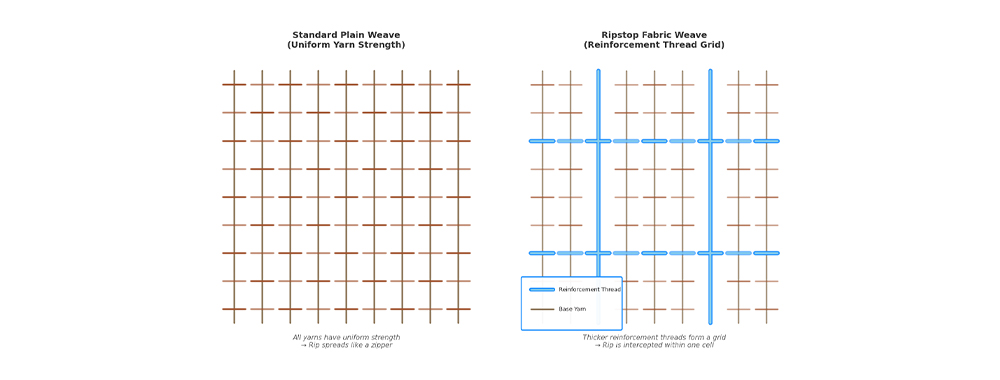
Чтобы понять, как работает ткань рипстоп, необходимо сравнить характер её разрушения с характером разрушения обычной ткани.
В стандартной ткани полотняного переплетения все нити обладают одинаковой прочностью. Когда внешняя сила вызывает разрыв одной нити, напряжение мгновенно передается на соседние нити. Поскольку соседние нити имеют одинаковую прочность, они не могут выдержать внезапного увеличения нагрузки, что приводит к разрыву цепочки — разрыв распространяется подобно молнии, вызывая масштабные повреждения.
Ткань рипстоп решает эту проблему за счет механической прерывистости конструкции:
На основе стандарта ASTM D2261 по испытанию прочности на разрыв (тест Эльмендорфа) в лабораторных условиях сравнивались стандартная ткань Oxford и ткань Oxford с рипстопом одинаковой плотности (денье):
Технические характеристики ткани | Стандартная прочность на разрыв Оксфордской ткани | Прочность на разрыв рипстопа | Улучшение |
Нейлон 210D | ~25° с.ш. | ~35–42° с.ш. | +40%–68% |
Нейлон 420D | ~35° с.ш. | ~50–60 С | +43%–71% |
Полиэстер 600D | ~30 С | ~42–50° с.ш. | +40%–67% |
Примечание: Фактические данные могут отличаться в зависимости от плотности плетения, процессов отделки и условий испытаний. Приведенные выше цифры носят исключительно справочный характер.
Если вы хотите заказать сумки с индивидуальным дизайном, как выбрать наиболее подходящую ткань рипстоп? Вот краткое изложение, основанное на нашем 30-летнем опыте производства:
Тип сумки | Рекомендуемые характеристики | Шаг сетки | Ключевые соображения |
Сверхлегкий складной чехол | Нейлон рипстоп 20D–70D | 10 мм | Приоритет веса; достаточная прочность на разрыв |
Рюкзак для ежедневных поездок на работу | Оксфордская ткань рипстоп 210D | 7–10 мм | Лучшее соотношение цены и качества; сбалансированное сочетание долговечности и приятных тактильных ощущений. |
Рюкзак для активного отдыха / походов | Нейлон рипстоп 210D–420D | 5–7 мм | Высокая несущая способность, высокая износостойкость |
Тактический/военный рюкзак | Нейлон рипстоп 420D–600D | 5 мм | Исключительная прочность; совместимость с системами MOLLE. |
Сумка для инструментов / Промышленная сумка | Рипстоп 600D–1000D + полиуретановое покрытие | 5 мм | Максимальная прочность + водонепроницаемость + устойчивость к УФ-излучению |
Дорожный чемодан / Внешний чехол для багажа | Нейлон рипстоп 420D–840D | 5–7 мм | Ударопрочность и устойчивость к царапинам |
Свойство | Полиэстер (ПЭТ) | Нейлон (ПА) |
Сила | Хороший; немного уступает нейлону. | Более высокая износостойкость; превосходная износостойкость. |
Впитывание влаги | Низкий; быстросохнущий | Более высокий; более мягкий прикосновение |
Устойчивость к погодным условиям | Естественная улучшенная устойчивость к УФ-излучению | Требуется дополнительная обработка УФ-излучением. |
Расходы | Ниже | Выше |
Типичные области применения | Рюкзаки на каждый день, рекламные сумки, подкладки | Премиальные сумки для активного отдыха, тактические сумки |
Наша рекомендация: если ваш конечный продукт ориентирован на средний и высокий ценовой сегмент рынка товаров для активного отдыха или профессионального использования, отдавайте предпочтение нейлоновой ткани рипстоп. Если же вы стремитесь к экономичности и быстрому высыханию, идеальным выбором станет полиэстеровая ткань рипстоп.

Ткань рипстоп обеспечивает структурную прочность, а финишная обработка добавляет функциональность.
Нанесение полиуретанового (ПУ) покрытия или ламинирование термопластичной полиуретановой (ТПУ) пленкой на изнаночную сторону ткани значительно улучшает водонепроницаемость:
• Полиуретановое покрытие: более низкая общая стоимость. Полиуретан на основе полиэстера обладает низкой устойчивостью к гидролизу; полиуретан на основе полиэфира обеспечивает относительно лучшую устойчивость к гидролизу.
• Ламинирование пленок из ТПУ: ТПУ также выпускается в виде полиэфира и полиэфира — выбор необходимо различать. По сравнению со стандартным полиуретаном, ТПУ на основе полиэфира обладает превосходной устойчивостью к гидролизу, а системы без растворителей более экологичны. Он широко используется в премиальных линейках продукции.
• ПВХ-покрытие: Отличная водонепроницаемость, устойчивость к проколам и атмосферным воздействиям. Однако покрытие заметно увеличивает вес и делает ткань более жесткой на ощупь. Кроме того, экологические нормы ограничивают его использование в некоторых областях.
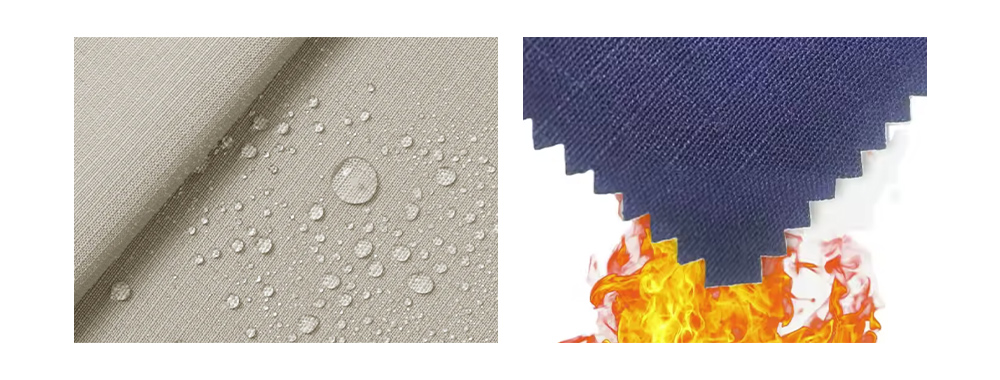
Поверхностная обработка на основе фторуглеродов приводит к тому, что капли воды скатываются с поверхности, а не проникают внутрь. Подходит для сумок для активного отдыха, требующих «водоотталкивающих» свойств, а не «полной водонепроницаемости».
Нейлоновые волокна разрушаются и становятся хрупкими под воздействием длительного ультрафиолетового излучения. Устойчивые к УФ-излучению отделочные материалы замедляют старение волокон и продлевают срок службы ткани — это особенно важно для походных сумок и туристических рюкзаков, которые длительное время находятся под воздействием солнечных лучей.
Соответствует стандартам NFPA 701, CPAI-84 и другим стандартам огнестойкости. Подходит для промышленных защитных сумок, сумок для пожарного снаряжения и других специализированных отраслевых требований.
Благодаря постобработке, ткань рипстоп может обеспечить не только структурную устойчивость к разрывам, но и согласованные функциональные цели, лучше удовлетворяя потребности клиентов в дифференциации продукции.
А: Не обязательно. Когда плотность основной пряжи и армирующей нити остается постоянной, меньшее расстояние между ячейками сетки означает более высокую плотность армирующей нити и лучшую устойчивость к разрыву. Однако меньшие ячейки сетки увеличивают сложность плетения и стоимость. При выборе следует учитывать баланс между производительностью, тактильными ощущениями и стоимостью. Пример из отрасли: в повседневных рюкзаках обычно используются ячейки сетки 7–10 мм; в профессиональных товарах для активного отдыха и тактического снаряжения обычно используются ячейки сетки 5 мм.
A: Нейлон обладает большей прочностью, лучшей износостойкостью и более мягкой текстурой — идеально подходит для сумок среднего и высокого класса для активного отдыха и тактических целей. Полиэстер дешевле, быстрее сохнет и обладает естественной превосходной устойчивостью к УФ-излучению — идеально подходит для повседневных рюкзаков и рекламной продукции. Мы можем порекомендовать оптимальное решение, исходя из вашего бюджета и целевого рынка.
А: Сама по себе ткань рипстоп не обеспечивает водонепроницаемость. Для достижения водонепроницаемости необходимо нанести полиуретановое покрытие или ламинировать ткань термопластичным полиуретаном (ТПУ). Например, нейлон рипстоп 210D с полиуретановым покрытием обычно выдерживает гидростатическое давление 5000 мм, что позволяет ткани выдерживать умеренный и сильный дождь. Однако для получения полностью водонепроницаемого изделия также необходима проклейка швов, чтобы предотвратить проникновение воды через отверстия от иглы.
A: Диапазон применимых B2B-клиентов широк и включает в себя: производителей товаров для активного отдыха, поставщиков тактического снаряжения, компании по производству товаров для путешествий, производителей сумок для инструментов, производителей промышленного оборудования для обеспечения безопасности, производителей товаров для домашних животных и любых других клиентов, которым требуются износостойкие, устойчивые к разрывам сумки для хранения. Различные отрасли предъявляют разные требования к устойчивости к разрывам, плотности ткани, водонепроницаемому покрытию и характеристикам сетки. Важно отметить: структура рипстопа может лишь замедлить распространение разрыва; она не равна устойчивости к укусам. Применение в производстве товаров для домашних животных требует целенаправленной оценки.
A: Стандартная ткань рипстоп имеет армирующие нити как в направлении основы, так и в направлении утка, образуя сетчатую структуру для сбалансированной устойчивости к разрыву. Существуют недорогие однонаправленные ткани рипстоп с армированием только в одном направлении, обеспечивающие ограниченную устойчивость к разрыву и подходящие только для легких сумок для хранения. Для рюкзаков, сумок для инструментов и туристических сумок настоятельно рекомендуется двунаправленное армирование.
А: Не обязательно. Слишком толстые армирующие нити вызывают выпячивание ткани, делают её жёсткой на ощупь, увеличивают вес и чрезмерную жёсткость сумки. Сбалансированное эмпирическое правило: плотность армирующей нити ≥ плотность основной ткани, обычно в 1–2 раза больше плотности основной ткани для оптимального баланса. Сопротивление разрыву зависит не только от плотности, но и от шага ячейки сетки, материала (нейлон/полиэстер) и плотности плетения.
А: Различия в тактильных ощущениях обусловлены тремя основными факторами: (1) Толщина армирующей нити — более толстые нити создают более жесткую ткань; (2) Размер сетки — более мелкие сетки с большим количеством узлов пересечения ощущаются более жесткими; (3) Отделка/покрытие — полиуретановые/термополиуретановые покрытия значительно повышают жесткость. Для легких сумок подходят тонкие армирующие нити с мелкими сетками; для прочных инструментальных сумок и тактических сумок — толстые армирующие нити со средними сетками.
А: Три простых проверки на месте: (1) Осмотрите поверхность ткани — имеет ли она равномерный сетчатый рисунок? (2) Пощупайте узлы пересечения — есть ли более толстые выступы армирующей нити в местах пересечения сетки? (3) Сделайте небольшой разрыв — останавливается ли разрыв сеткой и не распространяется ли дальше?
Главное преимущество ткани рипстоп заключается в использовании структурного подхода, а не просто в «добавлении объема и веса» для решения проблемы разрывов мешков. Сетка, образованная армирующими нитями основы и утка, действует как «страховочная линия» внутри ткани, перехватывая разрывы по мере их появления и ограничивая повреждения до минимально возможной площади.
Если вы ищете надежного партнера по производству сумок из рипстопа, приглашаем вас связаться с нами:
• Запросите бесплатные образцы тканей и технические характеристики.
• Консультации по индивидуальным решениям в области тканей и расчет стоимости.
• Запланируйте посещения завода и подтверждение образцов.
| Автор | ||||||
|
Пожалуйста, читайте дальше, оставайтесь в курсе, подписывайтесь, и мы приглашаем вас рассказать нам, что вы думаете.




Авторское право
@2024 Synberry Bag & Package Products Co.,Ltd Все права защищены
.
 ПОДДЕРЖИВАЕМАЯ СЕТЬ