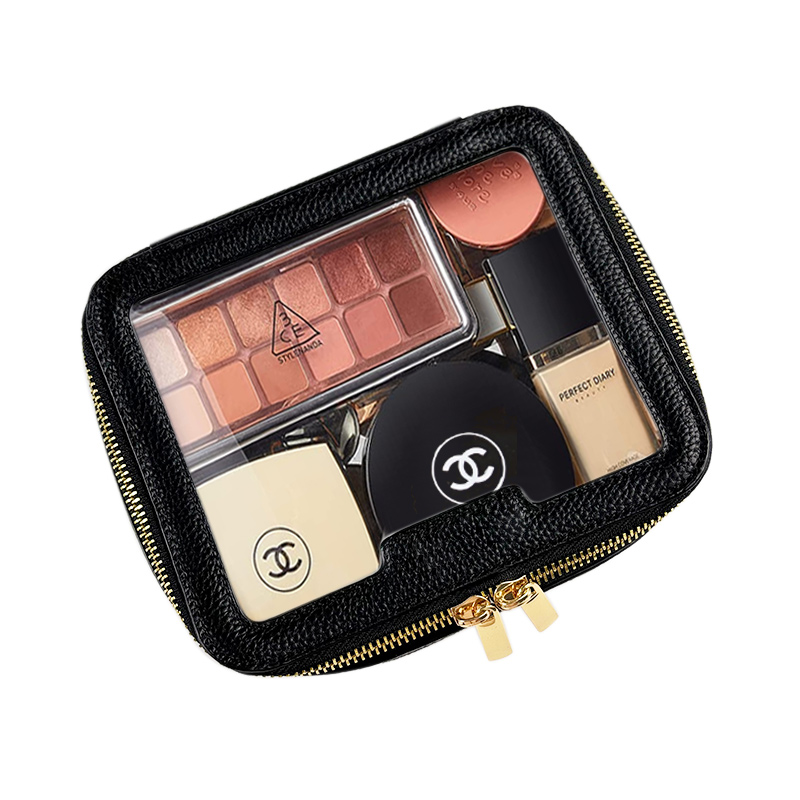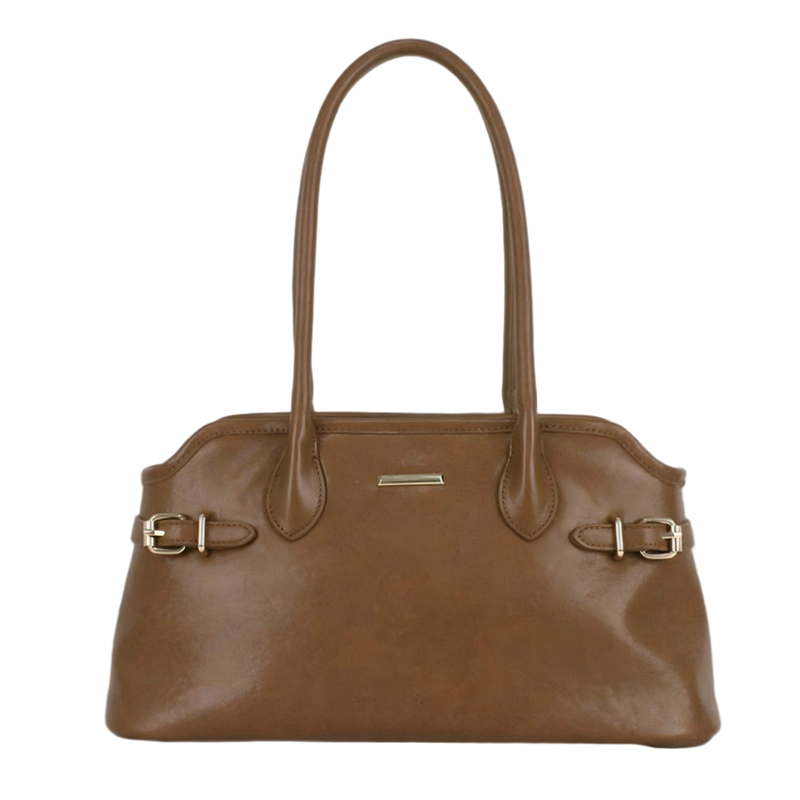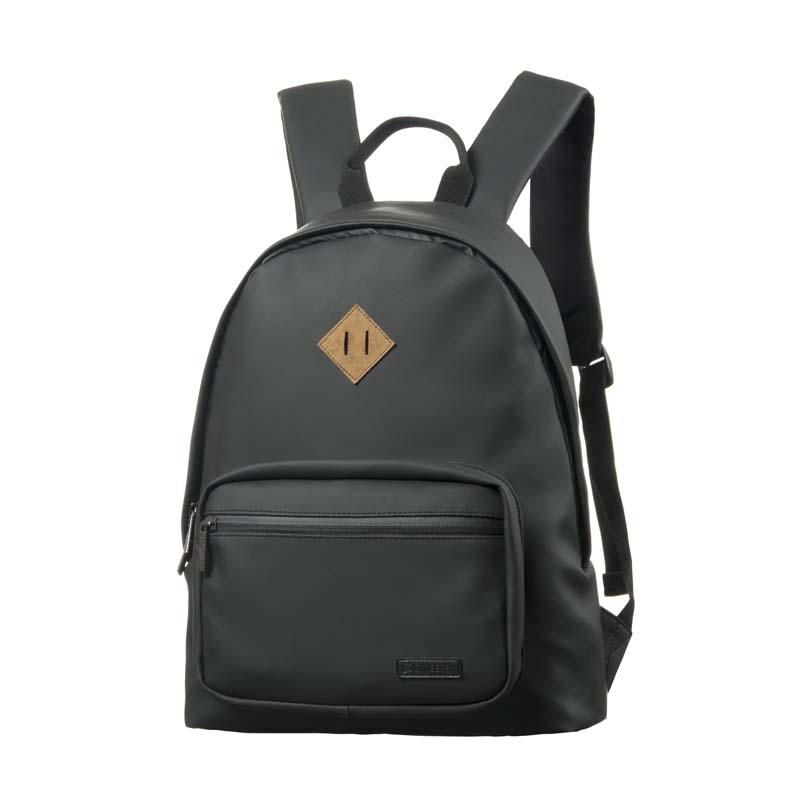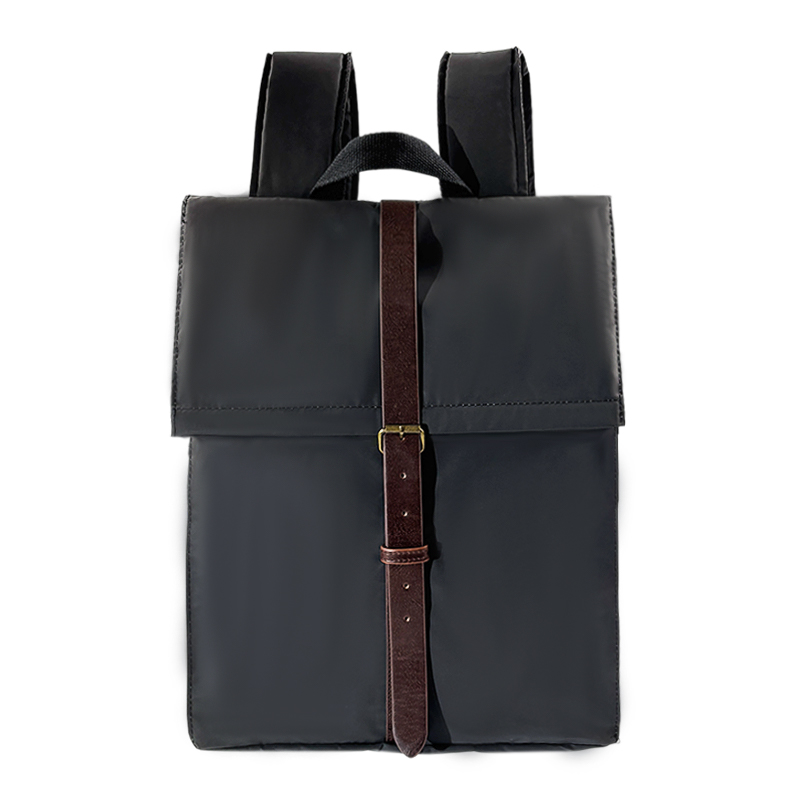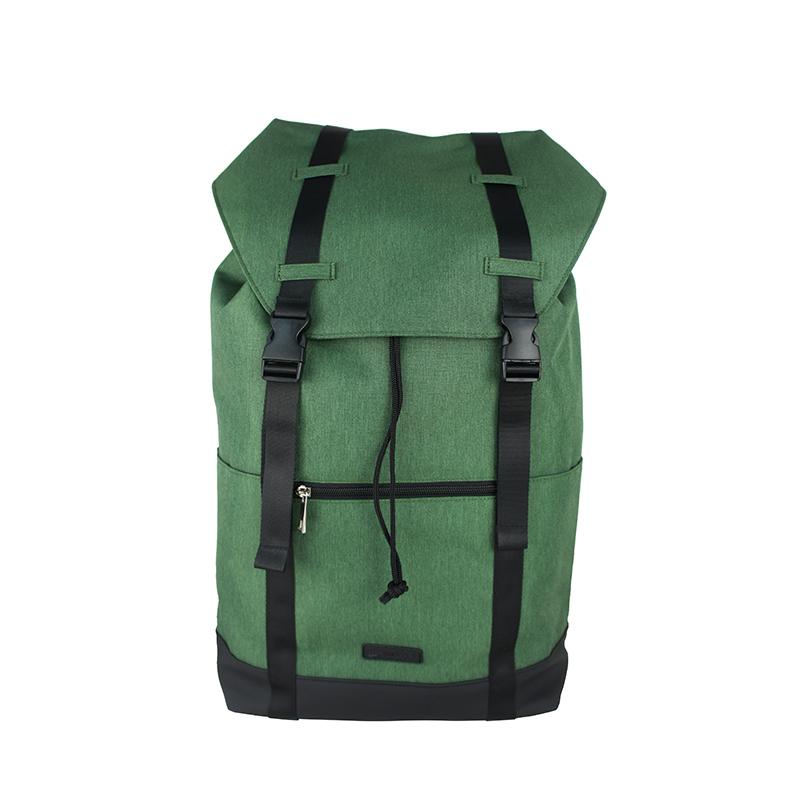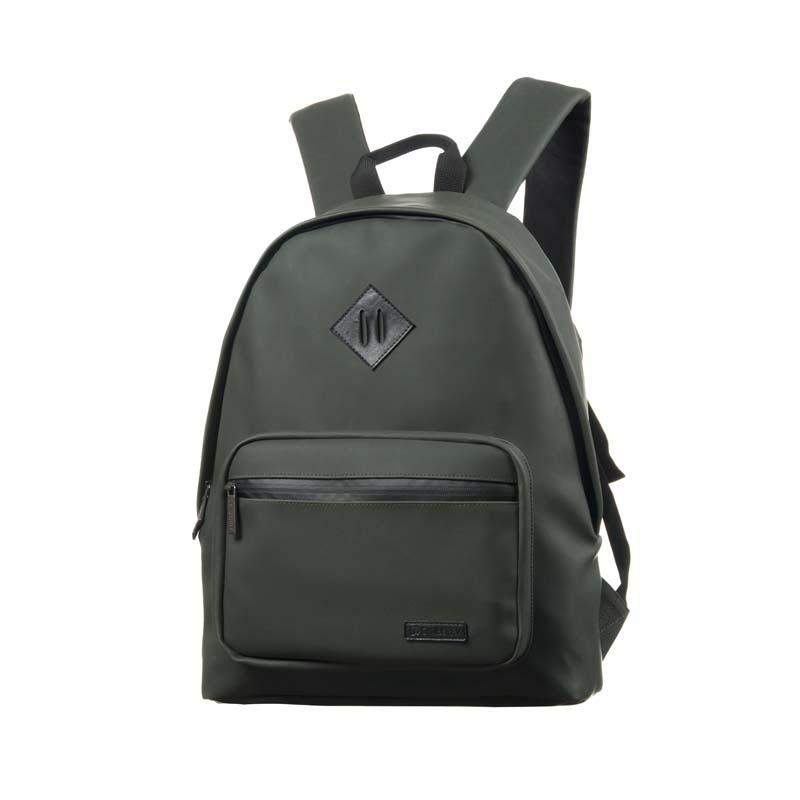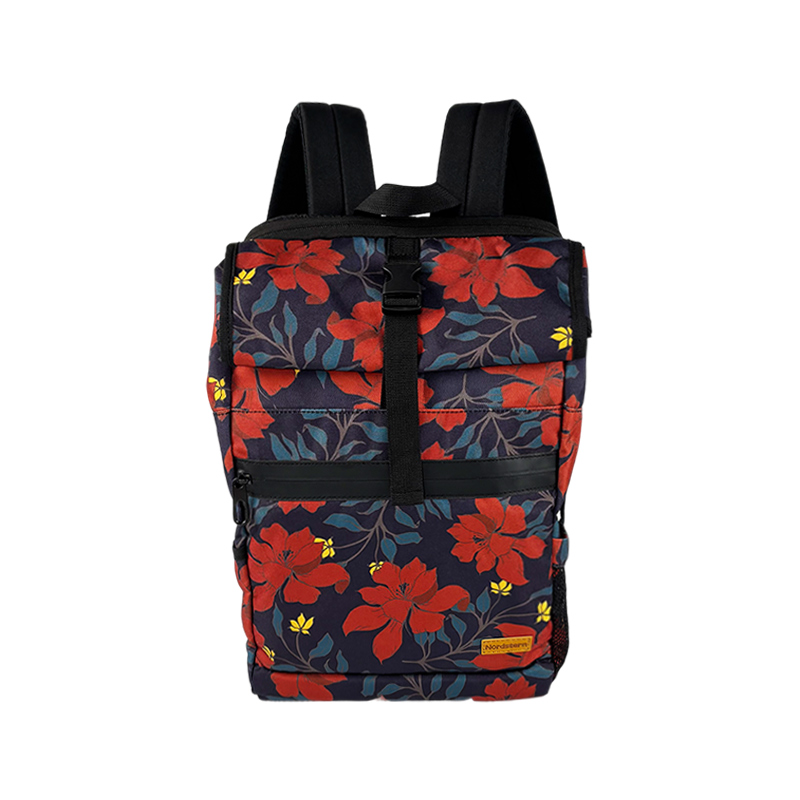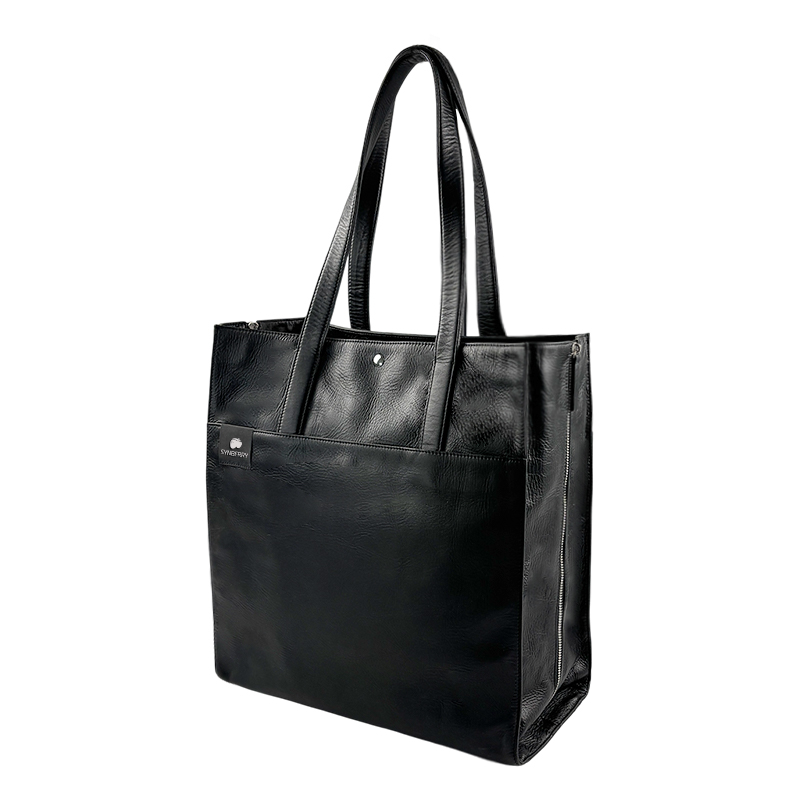



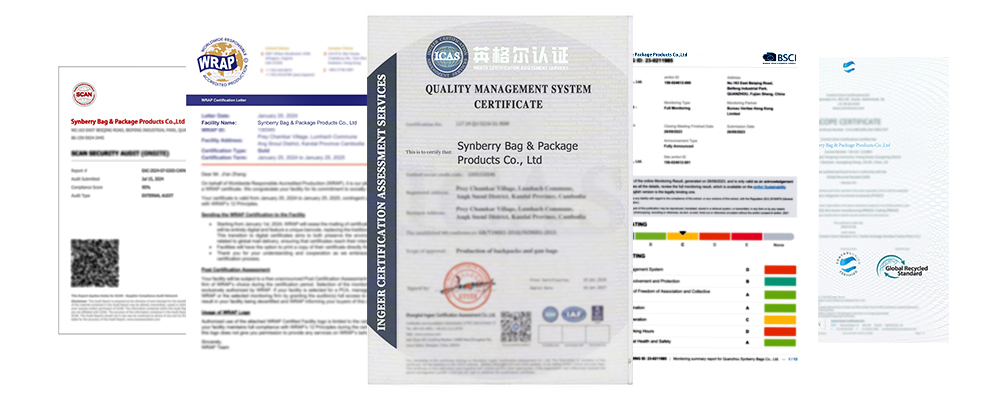
Synberry сертифицирована BSCI, WRAP, SCAN, GRS и ISO, что гарантирует высочайшее качество и стандарты устойчивого производства.
Наша профессиональная услуга по настройке продукта превращает вашу идею в реальность, обеспечивая плавный переход от концепции до демонстрации продукта на розничной полке.


Благодаря заводам в Китае и Камбодже у вас есть возможность выбрать производственную площадку, которая предлагает наиболее выгодные тарифные льготы в зависимости от вашей конкретной ситуации.

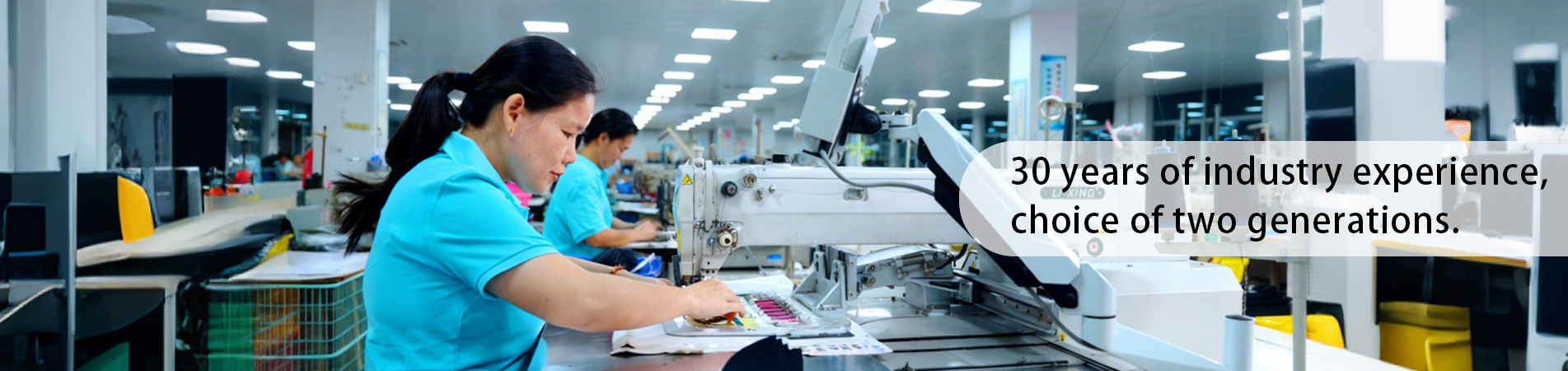
Что сделало Synberry выбором двух поколений? Благодаря четко определенным принципам качества, хорошо управляемой документации и записям, а также, что наиболее важно, углубленному анализу и контролю процессов, мы можем гарантировать стабильно высокое качество.

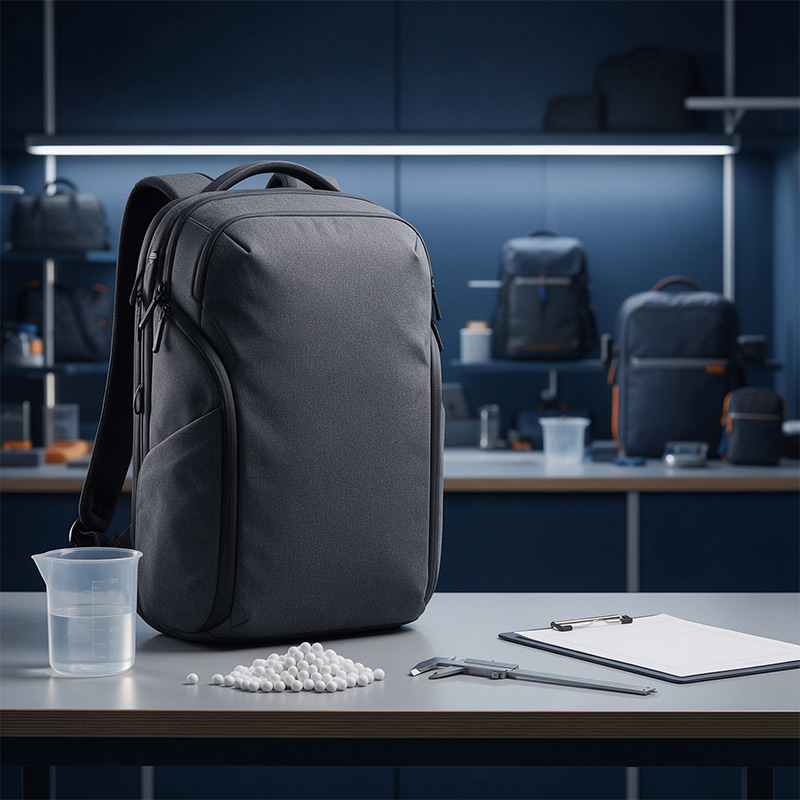
There are two widely used methods for measuring backpack capacity: geometric volume estimation and the ASTM F2153 fill test. During the design stage, the geometric formula (internal length × width × depth ÷ 1,000, multiplied by a pattern correction factor when necessary) can be used to estimate the maximum capacity. For sample approval and production capacity labeling, the unexpanded capacity measured using the ASTM F2153 fill test is generally used as the baseline. Geometric estimation is best suited to structured bags with regular shapes for preliminary space planning. Applying this method directly to sewn backpacks usually overestimates capacity. The fill test uses rigid plastic spheres with a diameter of 20 mm to fill all enclosed compartments; the spheres are then transferred to a calibrated measuring container to determine volume. The result can be used in purchase contracts, technical packs, inspection criteria, and product capacity labeling. For custom bag manufacturing, specifying the measurement method, included compartments, and tolerance alongside the capacity value helps align acceptance criteria between buyers and suppliers. Table of Contents Ⅰ. Why Backpacks with the Same Labeled Capacity Can Have Different Actual Volumes Ⅱ. Geometric Formula Estimation Ⅲ. ASTM F2153 Fill Test Ⅳ. Practical Recommendations for Backpack OEM Projects Ⅴ. Frequently Asked Questions (FAQ) Ⅵ. Conclusion Ⅰ. Why Backpacks with the Same Labeled Capacity Can Have Different Actual Volumes 1. Backpack Capacity Has No Globally Uniform Mandatory Labeling Standard Unlike shoe sizing or fabric weight, backpack capacity is not subject to a globally uniform mandatory labeling rule. Products labeled as 30 L may be measured using four common methods in the industry, producing different usable-volume results. Measurement method What is measured Typical result Notes Multiply external dimensions External length × width × height of the bag Likely to be overstated Counts fabric, foam, and back-panel structures as volume; unsuitable for labeled capacity. Main compartment only Largest enclosed main-compartment space Conservative Perceived usable space may exceed the labeled value, but the scope is limited and comparisons are less meaningful. Add all enclosed pockets Main compartment, zippered pockets, and covered enclosed pockets More comparable Closer to the logic of ASTM F2153; agree in advance whether open pockets are included. Promote expanded capacity Capacity with the roll-top or expansion zipper fully opened Represents maximum expanded state only Volume is lower in the normally closed state; some expanded bags may exceed airline carry-on limits. 2. Main Reasons for Differences in the Same Labeled Capacity For a daypack labeled 30 L, an external-dimension calculation includes space occupied by the back panel and shoulder-strap structure. Under the ASTM F2153 fill test, only enclosed compartments are counted; mesh water-bottle pockets and open front stash pockets are excluded. As a result, the unexpanded measured capacity may be only 24–25 L. Such differences are usually not manufacturing defects. They primarily result from different measurement methods and boundaries for what is included. 3. Capacity Must Be Matched to the Intended Use State Capacity can be reported as unexpanded capacity and expanded capacity. Unexpanded capacity refers to the bag in its normally closed, everyday-use configuration. Expanded capacity is the maximum volume available when a roll-top is fully opened or an expansion zipper is completely unzipped. A specification sheet that lists only one capacity value does not clearly identify the intended use state and makes inspection decisions more difficult. For roll-top bags and bags with expansion zippers, also verify the fully loaded external dimensions to determine whether the bag meets carry-on baggage size limits. Ⅱ. Geometric Formula Estimation 1. Basic Formula and Units A general geometric formula used in backpack OEM development is: Capacity (L) = Internal Length (cm) × Internal Width (cm) × Internal Depth (cm) ÷ 1,000 Example: With internal dimensions of 50 × 30 × 20 cm, the theoretical capacity is 50 × 30 × 20 ÷ 1,000 = 30 L. The formula uses centimeters and returns liters, based on 1 L = 1,000 cm³. For the North American market, capacity may also be listed in cubic inches; 1 L ≈ 61.024 cu in. 2. Appropriate Uses of the Geometric Formula • Reverse-engineering target dimensions during concept design: allocate internal usable dimensions based on the target capacity to support pattern and construction development. • Quickly estimating a capacity range during initial inquiries: when no physical sample is available, use external dimensions to make a preliminary assessment of the product category and support quotation and process evaluation. • Planning internal space before sampling: allocate space among the main compartment, laptop compartment, and front pockets, using the result as a theoretical upper-limit reference. 3. Why the Geometric Formula Can Be Inaccurate for Sewn Backpacks • The bag is not a perfect rectangular prism: daypacks that taper toward the top, roll-top bags, flap-top bags, and packs with curved suspension profiles have irregular shapes that cannot be accurately represented by a rectangular prism. • Fabric, foam, and suspension components reduce usable volume: laptop sleeves, back panels, and shoulder-strap anchor structures occupy space within the bag’s external profile. • Pocket-counting rules vary: external-dimension calculations may include side and front pockets, whereas standard fill testing counts enclosed compartments only and excludes open mesh pockets. • Seam allowances and lining thickness reduce usable space: sewing allowances, lining, and reinforcement materials reduce the effective internal volume. Conclusion: The geometric formula is a design-screening tool for estimating theoretical maximum volume; it should not be used directly as the labeled capacity of a sewn backpack. Results are more accurate for rectangular tote bags and simple travel duffels. For backpacks, technical outdoor packs, and styles with multiple complex compartments, capacity acceptance should be based on a fill test. 4. Early-Stage Estimation Before Sampling: Pattern Correction Factors During early development, before a physical sample is available, a pattern correction factor can help narrow the gap between theoretical and measured capacity. The adjusted formula is: Estimated capacity (L) ≈ [Internal length × internal width × internal depth (cm) ÷ 1,000] × K Select K according to the regularity of the bag’s shape. The ranges below are based on pattern databases and industry experience and are for design estimates only—not for official capacity labeling. The estimate must ultimately be calibrated against an ASTM fill test. Bag construction Reference correction factor Notes Boxy business backpack 0.80–0.85 Regular shape with high space efficiency. Standard daypack 0.75–0.80 Slightly contoured shape and space occupied by compartments. Outdoor hiking pack (internal aluminum-frame back panel) 0.70–0.75 Suspension system takes up more internal volume. Cylindrical duffel 0.72–0.78 Curved side walls reduce usable volume. Roll-top backpack 0.65–0.75 The rolled closure section is excluded from effective capacity. Tapered daypack, narrower at the top 0.70–0.78 The tapered cross-section makes the upper space less efficient. Example: A standard daypack with internal dimensions of 45 × 30 × 18 cm has a theoretical volume of 24.3 L. Using a correction factor of 0.78 gives an estimated capacity of approximately 19 L; subsequent fill testing will generally yield around 18–20 L. Important limitation: Correction factors are not universally transferable across factories or patterns. If the fabric weight or lining construction changes, re-test the bag and recalibrate K. In external technical communications, label this figure as a “design estimate,” not the contractual labeled capacity. Ⅲ. ASTM F2153 Fill Test 1. Standard Overview and Scope A commonly used industry standard for backpack capacity testing is ASTM F2153, “Standard Test Method for Measurement of Backpack Capacity.” It is a voluntary test method intended to establish consistent, comparable capacity-measurement rules among brands, factories, and inspection teams. Key principles: report both unexpanded and expanded capacity; count enclosed compartments only; exclude open mesh water-bottle pockets, open front stash pockets, and open compression pockets. The standard generally does not apply to small bags under 4 L. Crossbody mini bags, waist packs, and small organizers do not need to be labeled in liters; if a capacity value is provided, identify the alternative simplified test method used. 2. Standard Filling and Volume-Reading Procedure Step Procedure Control point 1. Prepare the test media Use uniform rigid plastic spheres with a diameter of 20 mm, commonly PP or PS. Foam beads and beans are for rough internal checks only; they compress or settle and have poor repeatability. Do not use them for official capacity labeling. 2. Fill all enclosed compartments Fill the main compartment and every zippered pocket. For roll-top bags, fill to the agreed number of rolls while ensuring normal closure. Close zippers after filling without pulling them taut. Do not omit any enclosed compartment. Exclude all open pockets. 3. Use a consistent settling procedure Gently shake the bag so the spheres settle naturally. A common procedure is three gentle shakes, approximately 10 seconds each. Do not deliberately press or compress the bag to inflate the reading. 4. Transfer the spheres to a calibrated measuring container Transfer all spheres into a graduated container calibrated by water-volume measurement. Gently agitate until the spheres settle, then record the volume. Large backpacks may be measured in multiple batches and the readings added together. Calibrate measuring equipment with water periodically and retain calibration records. 5. Repeat the test and average the results Conduct at least two independent tests. If the results differ by more than 1–2 L, filling or settling procedures may not have been consistent; repeat the test. Use the same spheres and measuring equipment for first-piece, in-line, and final inspections. 3. Limitations of the Standard and Its Relationship to Specification Sheets ASTM F2153 is voluntary and is not legally mandatory. Many retail product listings also omit the test method. The value of the test is that it allows the fill media, measuring equipment, included compartments, and tolerances to be defined in the specification sheet. If only a capacity number is listed without test details, results from different stages cannot be reliably compared. 4. When Full Laboratory Equipment Is Unavailable: Simplified Measurement Methods Not every inspection site has enough standard plastic spheres and calibrated measuring containers. A simplified method may be used during sampling, but the specification sheet must state that it differs from ASTM F2153. Scenario Simplified method Notes Compartments of 4 L or more Fill with 20 mm plastic spheres or uniform dry beans, then measure using a 1 L measuring cup and add the readings. Beans are for internal reference only; rigid plastic spheres are preferred for official capacity labeling. Compartments under 4 L Because small spheres stack with greater error, weigh the filling material first and convert to volume using a defined ratio if necessary. State in the documentation: “Not the ASTM F2153 standard procedure.” Curved or tapered bags Fill in vertical sections and add the readings from each section. A single rectangular-prism calculation will overestimate the capacity of tapered bags. Backpacks with multiple compartments Fill and measure each enclosed compartment separately, then total the results; list open pockets separately as excluded. Keep separate records to avoid confusion over what is included. Important: Capacity values obtained using different measurement methods should not be compared directly. Ⅳ. Practical Recommendations for Backpack OEM Projects 1. Recommended Capacity Fields for Specification Sheets To reduce the risk of a finished product’s capacity differing from expectations, include the following six items in the capacity section of the specification sheet: Field Recommended wording Purpose Measurement method “ASTM F2153 fill test using 20 mm PP spheres” / “Calculated from external dimensions; design reference only.” Identifies the method used to determine capacity. Unexpanded capacity Capacity in liters in the normally closed state. Matches typical use and product labeling. Expanded capacity Capacity in liters with the expansion zipper fully open or the roll-top fully unrolled. Distinguishes maximum expanded volume. Compartments included “Includes the main compartment and all zippered pockets; excludes mesh water-bottle pockets and open front stash pockets.” Removes ambiguity about which pockets count. Units List L and cu in together and specify the conversion. Supports reading preferences in different Western markets. Tolerance Agree on a tolerance by capacity range; use the same test method when judging compliance. Sets a reasonable acceptance range for inspection. 2. Example Wording for a Specification Sheet Capacity: 28 L unexpanded (approx. 1,709 cu in) / 34 L expanded (approx. 2,075 cu in), measured using the ASTM F2153 fill test with 20 mm PP plastic spheres. Includes the main compartment and all zippered pockets; excludes mesh water-bottle pockets and open front stash pockets. Tolerance: ±1.5 L. File the test record with the initial sample approval documents. 3. Suggested Tolerances and Contract Language Capacity range Suggested tolerance Application notes Under 20 L ±1 L Small bags are sensitive to compartment and opening design; test conditions must be controlled. 20–40 L ±1.5–2 L Common range for daypacks and commuter laptop backpacks. Over 40 L / large travel bags ±2–3 L Fill-test variation may be greater for large bags; additional repeats are recommended. Retail products with strict controls ±3%, or agree that “labeled capacity must not exceed measured unexpanded capacity.” Suitable for tightly controlled cross-border retail programs. Note: Tolerance criteria must correspond to the capacity test method. A tolerance established using external dimensions cannot be used to judge results from a fill test. 4. Common Capacity-Related Discrepancies in Custom Backpack Development Type of discrepancy Explanation Control measure Including open pockets in labeled capacity The counting method differs from ASTM and can produce inconsistent figures. Clearly list included and excluded pockets in the specification sheet. Advertising only expanded capacity Does not reflect volume in the product’s normally closed state. Provide both unexpanded and expanded capacity. Using external dimensions directly for sewn backpacks Foam, back panels, and lining take up space, so the calculated value is high. Use fill testing as the basis for labeled capacity; use external dimensions only as a supplementary reference. Using one capacity value for all sizes of a style Pattern and suspension structures change by size, affecting volume. Test each size independently. Testing only the first sample, with no production recheck Pattern adjustments, lining changes, and pocket revisions can change capacity. Test the approved reference sample and production trial units. Mixing metric and imperial units without labels Can lead to misinterpretation of readings. List both L and cu in in technical documents, with the primary unit suited to the target market. 5. Key Points When Comparing Multiple Samples Two products labeled with the same capacity may not perform equally in actual loading. Compare external dimensions, the main compartment’s internal usable dimensions, opening design, and photos of the bag when loaded. Even when both are labeled 30 L, a boxy pack and a tapered pack may accommodate different shapes of items. For travel backpacks and school backpacks, capacity is only one consideration. Flap-top designs are better suited to flat items, while top-loading roll-top bags offer good compression but can make items deep inside the bag harder to access. For a more complete assessment, include capacity, main-compartment internal dimensions, opening type, and fully loaded external dimensions in the specification sheet. 6. When to Conduct Capacity Tests Lock in the capacity baseline during initial sample approval. Once the first sample is complete, test capacity using the agreed method. After the parameters are approved, record them in the technical pack and purchasing documents before starting mass production. During inspection, use the same sphere specifications, measuring equipment, and settling procedure as for the approved sample, and assess the results against the agreed tolerance. 7. Capacity Records and Compliance Documentation Capacity testing is a technical specification activity and is separate from chemical testing of materials. Nevertheless, related records should be archived together for easy reference. If a product is labeled as using recycled fabric, the material claims should align with applicable GRS, GOTS, or OEKO-TEX documentation. Children’s backpacks sold in the United States must also meet applicable CPSIA requirements. A substantial discrepancy between labeled and measured capacity may create a risk of misleading advertising in the US and European markets. Store capacity test records and compliance certificates in the technical pack so they can be retrieved for customer factory audits and marketplace reviews. Ⅴ. Frequently Asked Questions (FAQ) Q1: Is backpack capacity accurately measured by multiplying length × width × height and dividing by 1,000? This formula estimates only the theoretical upper limit. It counts fabric, foam, and back-panel structures as volume and therefore generally overestimates usable space in sewn backpacks. The discrepancy is smaller for rectangular tote bags and simple travel duffels. For backpacks, outdoor packs, and styles with multiple compartments, capacity acceptance should be based on the ASTM F2153 fill test. A pattern correction factor can support early sampling estimates, but the result is for internal reference only and must not be used as the official labeled capacity. Q2: What is ASTM F2153? Are factories required to use it? ASTM F2153 is a voluntary test method for measuring backpack capacity; it is not legally mandatory. The core procedure is to fill all enclosed compartments with 20 mm rigid plastic spheres, transfer the spheres to a calibrated measuring container, and record both unexpanded and expanded capacity. Open water-bottle pockets and open stash pockets are excluded. The buyer and supplier should agree on whether to use the method in the technical documentation; once agreed, it becomes the basis for acceptance. Q3: Why does a factory label a backpack as 30 L when the fill-test result is only 25 L? This is usually due to differences in measurement methods—for example, using external dimensions or including open pockets in the calculation. A difference of around 20% between a daypack’s labeled capacity and its ASTM fill-test result is not unusual in the industry. Buyers and suppliers can establish a consistent basis for acceptance by agreeing in advance on the test method, pocket-inclusion rules, and tolerance range in the specification sheet. Q4: How should tolerances be set in a specification sheet, and which units should be used? For bags under 20 L, a tolerance of ±1 L is suggested; for 20–40 L, ±1.5–2 L; and for large bags over 40 L, ±2–3 L. For tightly controlled retail programs, the tolerance can be narrowed to ±3%, or the parties can agree that “the labeled capacity must not exceed the measured unexpanded capacity.” Use cubic inches (cu in) alongside liters for North America, while liters are generally preferred in Europe. Conversion: 1 L ≈ 61.024 cu in. Q5: How should capacity be tested for small bags under 4 L, waist packs, and organizers? ASTM F2153 generally does not apply to bags under 4 L. A simplified method can use a calibrated measuring cup, uniform dry beans, or a weight-to-volume conversion. The specification sheet must state that the method is “not the ASTM F2153 standard procedure.” Small spheres can stack inconsistently in small compartments, so external capacity claims for small bags should be made cautiously. Q6: Can rice or beans replace standard plastic spheres? They may be used for rough internal checks, but capacity figures used in contracts, specification sheets, or product labeling should not be based on rice or beans. Grains settle under pressure, and results vary between operators and batches, making repeatability poor. For formal testing, use 20 mm rigid PP/PS spheres and calibrated measuring equipment. Q7: For a roll-top backpack, how many rolls count as the unexpanded state under ASTM F2153? ASTM F2153 does not mandate a specific number of roll-top folds, which can lead to disagreement for this style. The buyer and supplier should agree in writing in the technical pack on the number of folds used for normal closure (commonly 2–3 rolls in the industry). Fill the bag to the agreed number of rolls and confirm that it closes normally without fabric tension; record this as the unexpanded capacity. The reading with the roll-top fully unrolled is the expanded capacity. Ⅵ. Conclusion From using geometric estimates to support early pattern planning, to determining labeled capacity through ASTM F2153 fill testing, and then specifying the test method, included compartments, and tolerances in clear technical terms, a verifiable capacity-assessment system is central to bag capacity management. Consistent criteria help project stakeholders avoid misunderstandings about specifications. As a professional bag manufacturer, we can support capacity-related technical requirements and help align project specifications with the agreed standards. Please contact us if you need assistance. Author
ПОСМОТРЕТЬ БОЛЬШЕ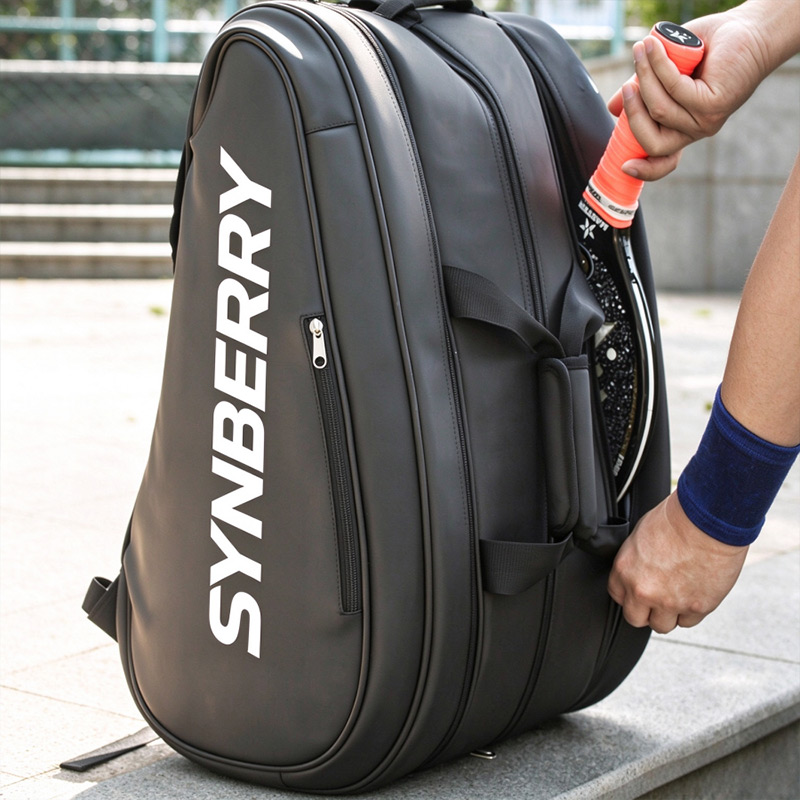
Качественная сумка для пиклбола должна соответствовать четырём основным стандартам: научно продуманная компоновка отделений, удобная система переноски, высокое качество изготовления и прочные, водостойкие материалы. Только при наличии всех четырёх элементов сумка для пиклбола может считаться действительно хорошей.Оглавление:Научная компоновка отсековУдобная система переноскиВысокое качество исполненияПрочные, водостойкие материалыРекомендации по персонализации для брендовЧасто задаваемые вопросы о персонализации сумки для пиклболаЗаключение 1. Научная конструкция отсекаПоверхность ракеток для пиклбола в основном изготавливается из углеродного волокна или композитных материалов на основе стекловолокна, которые подвержены давлению, царапинам, длительному воздействию высоких температур и прямых солнечных лучей. Поэтому наличие специального отделения для ракетки является важной особенностью хорошей сумки для пиклбола.В частности, отличное отделение для весла должно обладать следующими характеристиками:Утолщенное, изолированное отделение для весла: Специальное отделение для весла должно иметь утолщенный слой из ЭВА или перламутрового хлопка для поглощения ударов при падении или сжатии сумки. Кроме того, теплоизоляционная облицовка из алюминиевой фольги эффективно противостоит высоким температурам окружающей среды и помогает предотвратить деформацию поверхности весла, вызванную длительным воздействием прямых солнечных лучей.Вместительное основное отделение: Основное отделение должно обеспечивать достаточно места для размещения всего необходимого снаряжения для ежедневных тренировок или соревнований, такого как одежда, полотенца, бутылки с водой и другие предметы.Карман для мячей быстрого доступа: Добавьте в основное отделение специальное сетчатое или эластичное отделение для хранения мячей для пиклбола. Отдельный карман для мячей быстрого доступа позволяет физически отделить мячи от одежды, помогая поддерживать чистоту и порядок в экипировке. Это также позволяет игрокам быстро получить доступ к запасным мячам во время разминки или между матчами, не перебирая все основное отделение, что повышает общую эффективность и удобство использования.Отдельное вентилируемое отделение для обуви: изолированное от основного отделения, оно предотвращает загрязнение ракеток и одежды мокрой или грязной обувью, а также помогает уменьшить неприятные запахи. Это ключевая особенность, отличающая профессиональную сумку для пиклбола от обычной спортивной сумки.Множество небольших карманов: предназначены для хранения личных вещей и аксессуаров, таких как мобильные телефоны, ключи, накладки на рукоятки, защитное снаряжение и полотенца.Потайной карман для ценных вещей: имеет мягкую внутреннюю подкладку из замши для безопасного хранения ценных вещей, подверженных царапинам. 2. Удобная система переноскиСумки для пиклбола обычно выпускаются в трех вариантах: рюкзаки, сумки через плечо и сумки-трансформеры, которые можно носить в руке или как рюкзак. Рюкзак: Идеально подходит для переноски нескольких весел и полного комплекта снаряжения. Его ключевые особенности заключаются в конструкции плечевых лямок и спинки. Плечевые лямки качественного рюкзака должны быть широкими и толстыми, наполненными пеной высокой плотности и покрытыми дышащей сетчатой тканью, чтобы распределять давление на плечи и обеспечивать циркуляцию воздуха, предотвращая чрезмерное накопление тепла и появление следов от давления при длительном ношении. Спинка должна включать в себя поддерживающий слой из пенополиэтилена (EVA или PE), предотвращающий ее деформацию или провисание под большими нагрузками. Она также должна соответствовать естественному изгибу позвоночника, обеспечивая стабильную и надежную поддержку.Наплечные сумки или сумки через плечо: В этих сумках приоритет отдается легкости, удобству и гибкости, что делает их идеальными для коротких тренировок или ситуаций, когда требуется лишь небольшое количество снаряжения. Плечевой ремень должен быть достаточно широким, чтобы предотвратить скольжение, а плечевая накладка должна иметь амортизирующий слой для уменьшения нагрузки на одно плечо. Регулируемый плечевой ремень позволяет пользователям разного роста подобрать удобную посадку.Сумка-трансформер и рюкзак: Для тех, кто ценит универсальность, сумка-трансформер, которую можно носить и как рюкзак, предлагает большую гибкость. Как правило, такие сумки имеют усиленную верхнюю ручку для удобной переноски на короткие расстояния или размещения сумки в автомобиле, а также мягкую боковую ручку, предназначенную для снижения нагрузки на руку и предотвращения дискомфорта при переноске.При трансформации в рюкзак скрытые плечевые лямки должны легко выдвигаться и надежно застегиваться, обеспечивая удобство переноски в обоих положениях. Независимо от выбранного способа ношения, конечная цель системы переноски — обеспечить игрокам комфорт и удобство по пути на корт и обратно. 3. Высокое качество исполненияДетали, касающиеся качества изготовления, напрямую определяют срок службы, а также общий внешний вид и тактильные ощущения от сумки для пиклбола.Швы: Швы должны быть прочными и долговечными, с равномерным расстоянием между стежками и аккуратными, ровными швами. Ключевые точки, подверженные нагрузке, такие как места крепления плечевых ремней, основания ручек и концы молний, следует усилить двойной или даже тройной строчкой в сочетании с закрепка Усиление повышает сопротивление разрыву и предотвращает расслоение или разрыв швов под длительными высокими нагрузками.Фурнитура: Выбор фурнитуры имеет решающее значение. Молнии должны быть гладкими, прочными и обладать определенным уровнем водостойкости, предпочтительно от известных брендов, таких как YKK или SBS. Бегунки молний должны быть разработаны таким образом, чтобы их было легко захватывать и использовать, даже в спортивных перчатках.Пряжки: Пряжки должны пройти испытания на усталость, чтобы гарантировать их устойчивость к растрескиванию или деформации даже после многократного застегивания и расстегивания. Кроме того, края ткани должны быть аккуратно обработаны, без торчащих ниток, а сумка должна сохранять структурированную, четко очерченную форму, не складываясь легко даже в пустом состоянии. Эти детали отражают профессиональное качество и внимание к деталям. 4. Прочные, водостойкие материалы.В пиклбол часто играют на открытом воздухе, где сумки могут подвергаться воздействию внезапных дождей или утренней росы на корте. Поэтому водоотталкивающие свойства ткани служат первой линией защиты содержимого. 4.1 Основной материал: нейлон или полиэстерКачественная сумка для пиклбола должна быть изготовлена из нейлона высокой плотности (например, 600D или выше) или полиэстера. Эти материалы обладают превосходной износостойкостью и устойчивостью к разрывам, а также хорошими водоотталкивающими свойствами.Нейлон: При сравнении этих двух распространенных материалов нейлон выделяется более высоким соотношением прочности к весу и превосходной износостойкостью, что делает его предпочтительным выбором для высококачественных сумок для пиклбола. Он имеет гладкую поверхность и мягкий на ощупь, но стоит относительно дороже.Полиэстер: Полиэстер обладает лучшей устойчивостью к ультрафиолетовому излучению и сохраняет цвет, что делает его менее подверженным выцветанию или разрушению после длительного воздействия прямых солнечных лучей. Он также более доступен по цене, что делает его экономически выгодным выбором. 4.2 Водоотталкивающие покрытияОдной лишь высококачественной ткани недостаточно, чтобы выдержать суровые погодные условия. Ключевым фактором, определяющим водоотталкивающие свойства сумки, является обработка поверхности водоотталкивающим составом. Большинство профессиональных сумок для пиклбола, представленных сегодня на рынке, используют одно из трех основных покрытий: водоотталкивающее покрытие (DWR), полиуретановое покрытие (PU) или покрытие из термопластичного полиуретана (TPU).Водоотталкивающее покрытие DWR: покрытие DWR создает на поверхности сумки эффект лотоса, благодаря чему капли воды скатываются с поверхности, не проникая в ткань. Это эффективно предотвращает намокание содержимого от дождя.Полиуретановое водоотталкивающее покрытие: Полиуретановое покрытие обычно наносится на внутреннюю сторону ткани, образуя плотную водонепроницаемую мембрану. Оно не только предотвращает проникновение внешней влаги, но и улучшает общую структуру ткани и ее сопротивление разрыву.Водоотталкивающее покрытие из ТПУ: Будучи термопластичным полиуретановым эластомером, покрытие из ТПУ обычно наносится на внутреннюю сторону ткани в виде тонкой пленки или встраивается в качестве отдельного слоя. По сравнению с полиуретановым покрытием, ТПУ обладает превосходной устойчивостью к гидролизу и гибкостью при низких температурах. Даже в холодных и влажных условиях оно менее подвержено деградации, затвердеванию или растрескиванию, что помогает сохранить водонепроницаемость сумки в течение длительного времени. 5. Рекомендации по персонализации для брендовЕсли вы планируете разработать сумку для пиклбола под собственным брендом, следующие рекомендации по трем ключевым направлениям помогут вам найти правильный баланс между характеристиками продукта, стоимостью и целевой аудиторией. 5.1 Основные рекомендации по выбору тканиМатериал, из которого изготовлена сумка для пиклбола, определяет ее внешний вид и тактильные ощущения, долговечность и потенциальную цену. В следующей таблице приведены рекомендации по выбору ткани в зависимости от позиционирования продукта.Вариант тканиОбщие технические характеристикиПрочность / ИзносостойкостьУстойчивость к УФ-излучениюРасходыРекомендуемое расположениеПолиэстер600D / 900D★★★☆★★★★☆ (устойчив к выцветанию)УмеренныйДоступные по цене модели, модели начального уровня и товары для длительного пребывания на открытом воздухе под солнцем.Нейлонбаллистический нейлон 600D / 1680D★★★★★ (прочный и легкий)★★★ (Рекомендуется УФ-обработка)Средний до высокогоМодели и сумки среднего и высокого класса для профессиональных игроков.Нейлон + Рипстоп / ЖаккардНейлон в клетку, сотовая текстура★★★★★★★★ВысокийПремиальные модели и дизайнерские брендыКомпозитная сетчатая ткань (ПВХ/ЭВА)500D–1000D★★★★☆★★★☆УмеренныйУсовершенствованные водонепроницаемые модели и сумки для пляжа или многоцелевого использования.Основные критерии выбора:Для моделей, предназначенных для массового производства, отдавайте предпочтение полиэстеру плотностью 600D. Он отличается приемлемой стоимостью и хорошей стойкостью цвета, что делает его популярным выбором для массового рынка и товаров начального уровня.Для моделей среднего и высокого ценового сегмента рассмотрите баллистический нейлон 1000D или 1680D. Его высокая прочность и хорошая водостойкость делают его подходящим для рынка среднего и высокого класса.Экологичные варианты: рассмотрите переработанный нейлон, например ECONYL®, или переработанный полиэстер (RPET) и поддержите международно признанные сертификаты, такие как GRS, чтобы удовлетворить растущий спрос на экологически чистую продукцию на европейском и североамериканском рынках. 5.2 Рекомендации по выбору мощностиВ вопросах вместимости больший размер не всегда означает лучшее качество. Идеальный размер должен соответствовать игровым сценариям и привычкам пользователей. В следующей таблице представлены рекомендации по проектированию вместимости для разработки сумок для пиклбола OEM-производителями.Категория вместимостиВместимость веслаТипичная конфигурацияЦелевая аудиторияГабариты (Д × Ш × В)Легкая модель1–2 веслаОсновное отделение + карман для мячей + держатель для бутылки с водой; обычно нет отделения для обуви.Любители и те, кто совмещает прогулки с игрой в пиклбол.Приблизительные размеры: 45 × 20 × 25 см.Стандартная модель (рекомендуется)2–4 веслаМягкое отделение для весла + основное отделение + отдельное отделение для обуви + карман для мячей + отделения для мелких предметовОсновные члены клуба и постоянные игроки в парном разрядеПриблизительные размеры: 50 × 25 × 32 см.Профессиональная модель большой емкости4–6 веселМягкое отделение для весла + большое основное отделение + отдельное отделение для обуви + карман для мячей + водонепроницаемый чехолПрофессиональные игроки и тренерыПриблизительные размеры: 55 × 30 × 38 см.Модель путешествий / командная модель6 или более веселСумка на колесиках или очень большой рюкзак с внешними системами крепления.Командные оптовые закупки и игроки, часто путешествующиеПриблизительные размеры: 60 × 35 × 45 см.Основные критерии выбора:Стандартная модель — оптимальный вариант. Сумка, вмещающая 2–4 ракетки, подойдет широкому кругу игроков. Брендам, разрабатывающим новую линейку сумок для пиклбола, следует рассмотреть возможность сделать эту вместимость своей флагманской моделью.Легкие модели идеально подходят для привлечения клиентов или в качестве рекламных сувениров. Их простая конструкция и низкая стоимость делают их подходящими в качестве дополнительных сумок к наборам начального уровня или в качестве памятных подарков для клубных мероприятий, снижая порог входа для новых игроков.Профессиональные модели вместительных рюкзаков должны отдавать приоритет эффективности хранения, а не просто увеличению пространства. Для решения проблемы организации большого количества снаряжения, которое носят тренеры и профессиональные игроки, следует рассмотреть возможность использования съемных перегородок или модульных внутренних отделений. Эти функции позволяют пользователям размещать различные комбинации ракеток и одежды, сохраняя при этом порядок внутри.В моделях для путешествий/командных тренировок приоритет отдается удобству транспортировки. Помимо большой вместимости, они должны включать стандартный ремень для крепления к чемодану и износостойкие защитные ножки. Эти функции помогают надежно закрепить сумку для пиклбола на чемодане во время трансферов из аэропорта и дальних поездок, а также уменьшают износ дна сумки. 6. Часто задаваемые вопросы: Часто задаваемые вопросы о персонализации сумок для пиклбола В1: В чем разница между сумкой для пиклбола и сумкой для тенниса? Можно ли их использовать взаимозаменяемо?Их можно временно использовать взаимозаменяемо, но это не рекомендуется. Ракетки для пиклбола (длиной около 40 см) короче теннисных ракеток, поэтому в отделениях для теннисных ракеток может оставаться слишком много пустого пространства, из-за чего ракетки могут перемещаться и сталкиваться с другими предметами. В сумках для пиклбола обычно также есть специальные карманы для мячей, поскольку жесткие пластиковые мячи для пиклбола могут быть повреждены от чрезмерного давления, а также отделения для обуви и другие отделения для хранения мелких предметов. Если вы играете только в пиклбол, специальная сумка для пиклбола обеспечит значительно больший комфорт при использовании. В2: Как определить степень водонепроницаемости сумки? Означает ли водоотталкивающие свойства, что сумка водонепроницаема?Нет. Водоотталкивающих свойств, обеспечиваемых покрытием DWR, обычно достаточно для небольшого дождя и брызг, но в местах крепления молний вода все же может просачиваться. Для более полной водонепроницаемой защиты сумка должна быть изготовлена из ткани с покрытием PU/TPU или ламинированной водонепроницаемой ткани и иметь водонепроницаемые молнии, например, как в серии водонепроницаемых молний YKK. При покупке проверьте, указаны ли в технических характеристиках изделия как покрытие ткани, так и водонепроницаемые молнии. В3: Зачем отсеку для ракетки для пиклбола нужна теплоизоляция? Может ли летняя жара действительно повредить ракетку?Да. Ракетки для пиклбола, изготовленные с использованием углеволокна или стекловолокна и полипропиленового сотового сердечника, могут размягчаться, расслояться или менять ощущения при игре после длительного воздействия высоких температур и прямых солнечных лучей. Теплоизоляционная подкладка из алюминиевой фольги может значительно снизить температуру внутри сумки, что является одной из ключевых особенностей, отличающих профессиональную сумку для пиклбола от бюджетной модели. В4: Каков типичный минимальный объем заказа (MOQ) и сроки выполнения заказа на изготовление сумок для пиклбола на заказ?Стандартный минимальный объем заказа (MOQ) компании SYNBERRY составляет приблизительно 500 штук. Срок изготовления образцов зависит от сложности дизайна и обычно составляет 2–3 недели. Сроки серийного производства варьируются в зависимости от количества заказа и сложности изготовления. Дополнительное время следует учитывать для специальных процессов, таких как полноповерхностная печать, светоотражающие полосы и пряжки, изготовленные по индивидуальному заказу. В5: Какой материал лучше выбрать для сумки для пиклбола — нейлон или полиэстер? Какой из них более прочный?Оба материала долговечны, но каждый имеет свои преимущества. Нейлон обеспечивает большую прочность и приятнее на ощупь, что делает его подходящим для изделий среднего и высокого ценового сегмента. Полиэстер обладает лучшей устойчивостью к УФ-излучению, превосходной стойкостью цвета и более низкой ценой, что делает его идеальным для экономичных моделей, предназначенных для длительного пребывания на солнце на открытом воздухе. Выбирайте нейлон, если позволяет бюджет; выбирайте полиэстер, если приоритетом является соотношение цены и качества. 7. ЗаключениеПиклбол переживает взрывной рост числа участников по всему миру, и сумки для пиклбола превращаются из аксессуаров в специализированную категорию товаров. Для производителей спортивных сумок это представляет собой не только возможность выйти на развивающийся рынок, но и критически важную возможность для создания профессионального имиджа бренда за счет более совершенной разработки продукции.Отличная сумка для пиклбола должна представлять собой нечто большее, чем просто набор отделений для хранения. Она должна отражать глубокое понимание потребностей конечного пользователя и предлагать продуманный ответ на его ожидания. От технологии теплоизоляции, защищающей дорогие ракетки, до расположения отделений, повышающего эффективность доступа, и атмосферостойких материалов, разработанных для использования на открытом воздухе, каждая деталь демонстрирует уважение к спортивному опыту игрока.Данная статья написана с точки зрения производителя сумок для пиклбола с целью предоставить брендам, разрабатывающим линейки продукции для пиклбола, исчерпывающее справочное руководство, охватывающее все этапы — от понимания потребностей клиентов до запуска продукции в производство. Автор
ПОСМОТРЕТЬ БОЛЬШЕ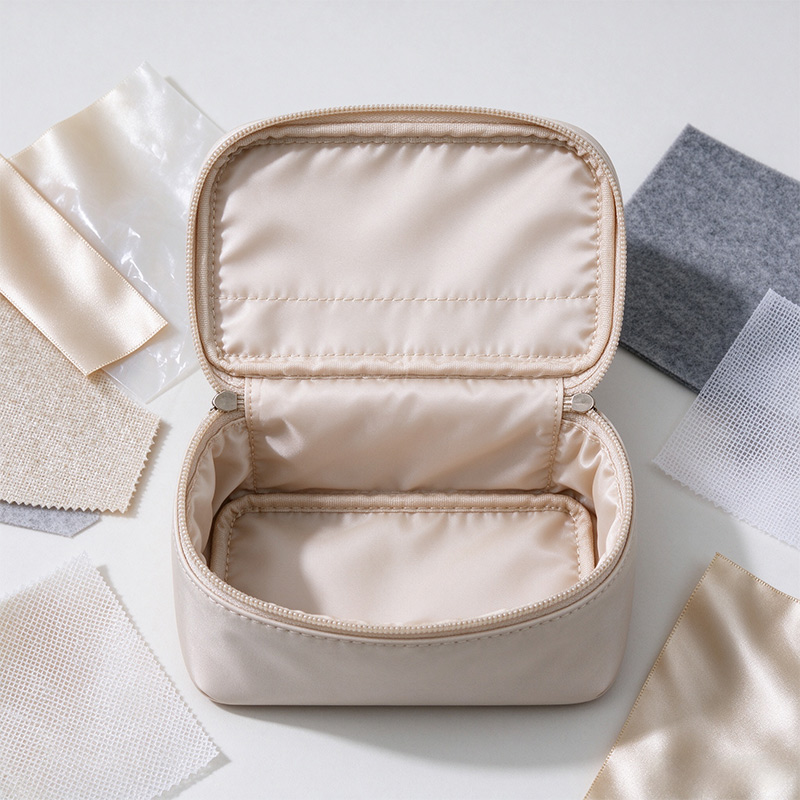
Наиболее распространенными материалами для подкладки косметичек являются ткани на основе полиэстера, особенно полиэстер полотняного переплетения, полиэстер тафта, понже и полиэстер с покрытием. Кроме того, нейлон, ТПУ, ПЭВА, ПВХ и ЭВА часто используются для изделий с высокими требованиями к водонепроницаемости и герметичности; переработанный полиэстер и переработанный нейлон (RPET) подходят для экологичных брендовых линий; микрофибра, искусственная замша, бархат и атлас подходят для создания ощущения роскоши и позиционирования в качестве подарка. Хлопок, холст, смеси хлопка и полиэстера, а также смеси хлопка и льна также могут использоваться для подкладки косметичек, особенно для холщовых косметичек, в натуральном стиле, для экологичного позиционирования или для изделий, требующих вышивки. Однако их водонепроницаемость, грязеотталкивающие свойства и легкость чистки обычно отличаются от свойств синтетических тканей с покрытием и должны оцениваться в зависимости от конкретных сценариев использования. Оглавление:• Выбор на основе функциональных требований• Ключевые технические параметры для выбора футеровки• Процессы персонализации подкладки и методы представления логотипа• Как мы обеспечиваем полный контроль качества материалов на всех этапах производства для наших брендов?• Часто задаваемые вопросы• Заключение I. Выбор по функциональным требованиям и анализ распространенных тканей.Выбор подкладки для косметичек обычно основывается на устойчивости к пятнам и водонепроницаемости, защите косметики, легкости чистки, а также сохранении формы и поддержании объема. В следующем разделе проводится классификация по функциональным требованиям и объясняются характеристики, сценарии применения и меры предосторожности при использовании распространенных тканей. 1. Водонепроницаемые и легко моющиеся.• Пленка ПВХ/ТПУ: широко используется для функциональных косметичек и отделений для влажных и сухих вещей, обладает выдающимися водонепроницаемыми и герметичными свойствами. Жидкости легко удаляются после попадания брызг. ПВХ обеспечивает превосходную водонепроницаемость и прозрачность, но риски, связанные с его соответствием требованиям REACH и Prop 65, должны быть тщательно оценены для европейского и американского рынков; ТПУ в целом превосходит ПВХ по экологичности, устойчивости к УФ-излучению и гибкости, что делает его предпочтительным материалом для высококачественных водонепроницаемых изделий.• ПЭВА: Не содержит хлора, является экологически чистой альтернативой ПВХ, обладает хорошими водоотталкивающими свойствами и легко моется, подходит для брендов, предъявляющих требования к экологичности. Длительное воздействие УФ-излучения может вызвать незначительное пожелтение, которое необходимо оценить на этапе отбора проб.• EVA: Обычно используется для жестких внутренних лотков или формованных подкладок, обладает хорошими водонепроницаемыми свойствами и структурной поддержкой, подходит для внутренних слоев косметических сумок, которым необходимо сохранять форму.• Полиэстер и ткань Оксфорд с покрытием (например, полиуретановое покрытие, покрытие из ТПУ): После нанесения покрытия на полиэстер или ткань Оксфорд на поверхности подкладки образуется сплошная пленка, эффективно предотвращающая проникновение брызг жидкости, таких как жидкая тональная основа и средства по уходу за кожей. Износостойкий и устойчивый к разрывам, экономичный, подходит для недорогих вместительных косметичек и повседневной функциональной одежды. Обратите внимание, что покрытие и швы не обеспечивают абсолютной герметичности.• Полиэстер полотняного переплетения, понже, полиэстер тафта: стабильные поставки, высокая эффективность раскроя и пошива, а также стабильная стойкость цвета, обеспечивающая однородность цвета подкладки в разных партиях при оптовых заказах. Среди них полиэстер тафта отличается легкостью и высокой плотностью, гладкостью и устойчивостью к затяжкам; понже и полотняное переплетение подходят для массового рынка. Для обеспечения базовой водонепроницаемости можно выбрать варианты с легким покрытием.• Нейлоновая тафта: приятна на ощупь, обладает прочностью на разрыв, превосходящей полиэстер аналогичных характеристик, подходит для косметичек среднего и высокого класса. Сам нейлон обладает определенными водонепроницаемыми свойствами и часто используется для водонепроницаемой и легко чистящейся подкладки. Если в изделии важны легкость, прочность и удобство в путешествиях, нейлон — это вариант, заслуживающий внимания.[Дополнительное примечание] Ткани с покрытием защищают только от брызг. При обычном шитье образуются отверстия от иглы, и жидкости все равно могут просачиваться сквозь швы. Если требуется полная герметизация, необходима дополнительная термосварка швов. 2. Категория «Сохранение формы и амортизация»• Войлок: Высокая жесткость, надежная поддержка, помогает косметичке сохранять трехмерный силуэт, обеспечивает определенную амортизацию и поглощение ударов, подходит для изготовления внутренних сумок на заказ и для защиты пудрениц и палеток теней. Следует обратить внимание на вес, способы чистки и толщину.• Категория флисовых изделий (например, микрофибра, искусственная замша, бархат): Нежная на ощупь, с легким амортизирующим эффектом, предотвращает скольжение и царапание флаконов с косметикой, подходит для косметичек среднего и высокого класса. Микрофибра, искусственная замша и бархат обеспечивают приятные тактильные ощущения и противоскользящие свойства, в основном используются для сочетания с продукцией дорогих брендов.3. Категория высококачественных текстур• Ацетатный сатин: гладкая и мягкая на ощупь, теплый блеск, хорошая драпировка и устойчивость к складкам, удобна для извлечения и наполнения косметики, не цепляет щетинки кистей для макияжа, подходит для легкого и роскошного нанесения макияжа.• Обычный сатин: гладкая поверхность, приятная для кожи, с мягким блеском, подчеркивает изысканность, подходит для подарков и товаров, в которых ценится визуальный дизайн. Необходимо оценить устойчивость к зацепкам, истиранию и стойкость цвета. Полиэстеровый и нейлоновый сатин обладают превосходными печатными свойствами, подходят для высококачественной подкладки.4. Экологически чистая переработанная и устойчивая категория• RPET: Изготавливается из переработанных ПЭТ-бутылок путем измельчения, очистки и прядения в пряжу. По тактильным ощущениям, стойкости цвета и износостойкости он минимально отличается от первичного полиэстера и может легко заменить традиционную полиэстеровую ткань простого переплетения или тафту, подходящую для большинства обычных подкладок для косметичек. Это широко используемый материал для брендов, придерживающихся принципов ESG (экологическое, социальное и корпоративное управление).• Переработанный нейлон: в основном получают из выброшенных рыболовных сетей, волокон ковров и других промышленных отходов путем деполимеризации и полимеризации. По сравнению с переработанным ПЭТ, переработанный нейлон обладает лучшими характеристиками по прочности, эластичности и химической стойкости, а также более приятной на ощупь текстурой, но рыночное предложение менее стабильно, чем у переработанного ПЭТ, и его стоимость обычно выше.5. Естественный стиль и смешанная категория• Хлопок: Приятный на ощупь, приятный для кожи, хорошо впитывает влагу, подходит для создания естественного стиля, экологичен и используется в качестве подкладки для косметичек из парусины.• Холст: обладает большей плотностью, хорошей структурной прочностью, износостойкостью, подходит для подкладки или внешних карманов холщовых косметичек, косметичек, дорожных сумок для хранения вещей. При использовании в качестве подкладки необходимо тщательно учитывать вес, толщину и процесс пошива. Холст из 100% хлопка обладает хорошей воздухопроницаемостью и легкостью, подходит для пудры, кистей для макияжа и других предметов, требующих вентиляции.Обычный хлопок и брезент не являются водонепроницаемыми, легко впитывают краску и пятна. При прямом контакте с жидкой косметикой чистка затруднена. Распространенный подход заключается в использовании съемных моющихся внутренних мешков, отделке покрытием, отдельных водонепроницаемых мешков или внутренних отделений. • Смесь хлопка и полиэстера: сочетает в себе естественную текстуру хлопка с прочностью и стабильностью размеров полиэстера, подходит для проектов, где необходимо сбалансировать текстуру и однородность при массовом производстве.• Смесь хлопка и льна: Выраженная натуральная текстура, подходящая для определенных марок одежды, но устойчивость к пятнам и выцветанию необходимо подтвердить на этапе отбора образцов.6. Другие практические категории• Полиуретановая подкладка: текстурированная, легко протирается, подходит для повседневных покупок и товаров среднего ценового сегмента. Ее плотная поверхность эффективно предотвращает проникновение пятен на масляной основе, таких как жидкая тональная основа и помада. Легко очищается влажной тканью, не требует больших затрат на уход. Обратите внимание: выбирайте полиуретановые материалы с хорошей устойчивостью к гидролизу, чтобы избежать отслаивания или липкости покрытия после длительного использования, особенно в условиях высоких температур и высокой влажности, где требуются испытания на старение.• Сетка/Трехслойная сетка: Отличная воздухопроницаемость, малый вес, обычно используется для внутренних отделений или слоев для хранения кистей в косметичках, облегчает распознавание предметов и ускоряет отвод внутренней влаги, снижая риск образования плесени. Однако из-за неровной поверхности и больших пор она легко задерживает грязь и ее трудно тщательно очистить. Не рекомендуется использовать в качестве основной подкладки, непосредственно контактирующей с жидкой косметикой, и обычно ее необходимо использовать с водонепроницаемым внутренним мешочком.II. Ключевые технические параметры для выбора футеровки.При выборе подкладочных тканей для косметичек следующие параметры напрямую влияют на качество конечного продукта и удобство использования. Рекомендуется подтверждать каждый пункт на этапе изготовления образцов. 1. Масса в граммах и толщина• Низкий вес (например, полиэстер тафта или понже плотностью 30-50 г/м²): легкий и мягкий, максимально экономит внутреннее пространство, снижает общий вес, подходит для дорожных косметичек, обеспечивающих максимальную портативность и легкость.• Средняя плотность (например, полиэстер, нейлон или хлопок полотняного переплетения плотностью 60-100 г/м²): обеспечивает баланс между приятными тактильными ощущениями и прочностью, является основным выбором для большинства обычных косметичек. Ткани этой плотности обладают умеренной жесткостью, сохраняют основной силуэт сумки, обеспечивая при этом хорошую прочность швов и износостойкость, подходят для ежедневных поездок и многофункционального хранения.• Высокая плотность (например, плотная ткань 120 г/м² и более, утолщенная ткань с покрытием или композитный войлок): Отличная жесткость и структурная поддержка, эффективно сохраняющие трехмерную форму косметички, предотвращающие деформацию от сжатия содержимого внутри, обычно используются для жестких косметичек или внутренних конструкций, которые должны стоять самостоятельно. 2. Тип покрытия и водоотталкивающие свойстваТип покрытияВодонепроницаемостьИзносостойкостьЭкологичностьТипичное применениеПолиуретановое покрытиеХорошийХорошийСерединаЕжедневные косметичкиКомпозит из ТПУОтличныйОтличныйОтличныйВысококачественные водонепроницаемые моделиПЭВАХорошийСерединаХорошийЭкологичные способы размещенияПВХОтличныйХорошийДля соблюдения требований необходима тщательная оценка.Прозрачные стилиЕВАХорошийХороший СерединаВнутренние формованные лотки, жесткая облицовка. 3. Стойкость цвета, износостойкость и выбор цвета.• Подкладки должны пройти испытания на стойкость цвета при сухом и влажном трении, а также соответствовать требованиям целевого рынка и бренда (см. отраслевые стандарты испытаний ASTM/ISO).• При выборе цвета необходимо учитывать видение бренда, привычки использования на целевом рынке, ожидания в отношении уборки и ухода, а также общий дизайн.• Системы темных или средних цветов, как правило, менее подвержены появлению пятен при ежедневном использовании; системы светлых цветов выглядят свежими и подходят к некоторым оттенкам брендов, но на них легче могут оставаться следы косметики, поэтому можно комбинировать покрытие, легко моющуюся отделку или съемные моющиеся внутренние мешки. 4. Прочность на разрыв и прочность на растяжение• Прочность на разрыв и прочность на растяжение подкладочной ткани должны соответствовать общим отраслевым стандартам испытаний, таким как ASTM D5034.• Конкретные показатели должны соответствовать позиционированию продукта, сценариям использования и требованиям к качеству бренда. 5. Ощущения на ощупь, уровень шума, устойчивость к сгибанию и совместимость со шитьем.• Нейлон и ткани с покрытием могут создавать шум трения, который необходимо учитывать на этапе отбора проб.• При работе с микрофиброй, искусственной замшей, холстом и другими материалами необходимо учитывать влияние толщины на эффективность шитья и вес готового изделия.• При работе с материалами с покрытием и пленочными материалами необходимо обращать внимание на то, не белеют ли они после складывания, не сохраняется ли их упругость и не протекают ли швы. 6. Методы очистки и сценарии использования потребителями.• Если изделие предназначено для повседневного использования в офисе, в поездках, на тренировках и в других ситуациях, то подкладка должна в первую очередь обеспечивать легкость очистки и герметичность.• Если в изделии преобладает натуральный стиль или съемная, моющаяся конструкция, можно рассмотреть хлопок, брезент и смеси хлопка и полиэстера в сочетании со съемными внутренними мешками или водонепроницаемыми сумками для хранения.• Если продукт позиционируется как подарок или относится к элитным брендам, можно рассмотреть атлас, микрофибру и искусственную замшу, а методы ухода должны быть четко указаны в инструкции. III. Процессы персонализации подкладки и методы представления логотипа.1. Размеры подкладки для индивидуального заказа• Подбор цвета: окрашивание в соответствии с номерами цветов Pantone. Для первых заказов необходимо зарезервировать цикл подтверждения цвета.• Настройка текстуры: простое переплетение, саржа, жаккард, атлас, перламутр и другие эффекты поверхности.• Персонализация печати: полноцветная печать фирменных узоров, повторная печать логотипа, сезонная графика и т. д.• Возможность индивидуальной настройки конструкции: карманы для щеток, прозрачные внутренние мешочки, скрытые карманы на молнии, места крепления эластичной ленты и т.д.• Композитные материалы: нанесение покрытия, ламинирование, склеивание, тиснение и другие процессы могут комбинироваться в соответствии с требованиями к водонепроницаемости и тактильным ощущениям. 2. Процесс выбора логотипаПроцессПрименимые типы облицовкиДолговечностьХарактеристики процессаШелкотрафаретная печатьПолиэстер, нейлон, брезент и другие тканиСерединаПрямое выражение цветаТермотрансферная печатьПолиэстер, нейлон, брезент и другие тканиХорошийХорошая детализация узораВышивкаПолиэстер, нейлон, брезент и другие тканиОтличныйСильный трехмерный эффектТканая этикеткаВсе типыОтличныйБюджетныйМеталлическая этикеткаВсе типыОтличныйОщущение высокого классаГорячее тиснение/тиснение фольгойАтлас, искусственная замша, искусственная кожа PUСерединаОщущение высокого класса 3. Дополнительная ценность фирменной подкладки• Подкладки с индивидуальной печатью или фирменные тканевые этикетки могут улучшить впечатления от распаковки товара и повысить узнаваемость бренда.• Для брендов, работающих по модели прямых продаж потребителям (DTC), и каналов распространения подарочной продукции, фирменная подкладка является важным средством повышения воспринимаемой ценности.• Возможность индивидуальной настройки подкладки не влияет на гибкость дизайна внешней части сумки и может формировать целостное фирменное решение, включающее ткань внешней сумки, молнии и упаковку. IV. Как мы обеспечиваем полный контроль качества материалов на всех этапах производства для брендов?1. Коммуникация перед выпуском косметички на заказ:• Подтверждение требований: Понимание позиционирования продукта клиентом и целевого рынка.• Выбор ткани: Подтвердите материал подкладки, плотность, покрытие и цвет. 2. Этап отбора проб• Отбор образцов: Изготовление образцов, проверка тактильных ощущений, цвета и структуры. (Рекомендуется провести как минимум один этап физической проверки образцов перед размещением официального заказа.)• Подтверждение образцов: На этапе отбора образцов одновременно подтверждаются цвет подкладки, тактильные ощущения, толщина, покрытие, процесс нанесения логотипа, качество пошива и чистящие свойства.• Требования к соответствию: Если продукт ориентирован на европейский и американский рынки, документы, подтверждающие соответствие целевым рынкам, и порядок проведения испытаний могут быть согласованы одновременно на этапе отбора проб. 3. Ключевые контрольные точки качества• Контроль качества поступающих материалов: проверка различий в цвете ткани, плотности (в граммах) и ширине.• Этап раскроя: Проверка дефектов поверхности ткани и равномерности покрытия.• Этап шитья: Проверьте, ровно ли расположен шов между подкладкой и молнией, и нет ли пропущенных стежков.• Этап изготовления готового изделия: Проведение тестов на очистку подкладки и тестов на гладкость застежки-молнии.• Контроль качества при выходе: Проведение проверки внешнего вида и функциональности в соответствии со стандартами выборочного контроля SYNBERRY AQL 1.5/4.0. 4. Справочный метод испытания очистки футеровки• В процессе разработки реального продукта для сравнительных тестов по очистке облицовки можно использовать настоящую косметику, а не только воду.• Образцы для исследования можно подвергать воздействию жидкой тональной основы, помады, солнцезащитного крема и других косметических средств, а затем обрабатывать одинаковым методом очистки и с одинаковой частотой протирания, сравнивая остаточные явления.• Этот метод позволяет эффективно оценивать практическую эффективность футеровочных растворов на этапе отбора проб. V. Часто задаваемые вопросы (FAQ)В1: Что чаще всего используют в качестве подкладки для косметичек? Можно ли использовать хлопок и холст?А: Полиэстер полотняного переплетения, полиэстеровая тафта, понже и полиэстер с покрытием — широко используемые материалы для подкладки косметичек, особенно подходящие для массового рынка и традиционных функциональных моделей.Для подкладки косметичек также можно использовать хлопок, холст, смеси хлопка и полиэстера, а также смеси хлопка и льна, особенно это подходит для холщовых косметичек, изделий в натуральном стиле, экологичных товаров или товаров, требующих вышивки. Однако хлопок и холст обычно не являются водонепроницаемыми и легко впитывают пятна и краску. Рекомендуется сочетать их со съемными моющимися внутренними мешочками, отделкой покрытием или собственными водонепроницаемыми конструкциями сумок. Если акцент делается на водонепроницаемость и герметичность, чаще используются ТПУ, ПЭВА, ПВХ и ЭВА; если же акцент делается на экологичность, все большее распространение получают переработанный полиэстер и переработанный нейлон. Вопрос 2: Сколько времени занимает отбор образцов подкладочной ткани?A: Изготовление образцов подкладки из обычного полиэстера или нейлона занимает относительно мало времени, обычно 15-20 дней. Для тканей с покрытием или подкладок с индивидуальной печатью требуется больше времени. Если требуется индивидуальная окраска или подбор цвета по системе Pantone, необходимо зарезервировать дополнительный цикл подтверждения цвета. Рекомендуется провести как минимум один этап физического подтверждения образцов перед размещением официального заказа. Конкретные сроки изготовления образцов необходимо согласовать с фабрикой. В3: Как выбрать между ПВХ-подкладкой и подкладкой из ПЭВА на европейском и американском рынках?A: ПВХ-покрытие обладает самыми высокими водонепроницаемыми свойствами и высокой прозрачностью, но из-за проблем, связанных с хлором и фталатами, оно сопряжено с высокими рисками несоответствия требованиям регламента ЕС REACH и калифорнийского закона Prop 65. PEVA не содержит хлора и является более экологичной альтернативой, подходящей для брендов, предъявляющих требования к устойчивому развитию. Вопрос 4: Как определяются минимальный объем заказа и сроки выполнения заказа на подкладки с индивидуальной печатью?A: Минимальный объем заказа (MOQ) для подкладок с индивидуальной печатью обычно оговаривается в зависимости от сложности рисунка, метода печати и степени индивидуализации ткани. Шелкотрафаретная печать подходит для больших партий, в то время как цифровая печать позволяет производить небольшие партии, но с более высокой себестоимостью единицы продукции. Что касается сроков выполнения заказа, производственный цикл для подкладок с печатью обычно дольше, чем для однотонных подкладок. Минимальный объем заказа для традиционной печати начинается с 500 штук. Конкретные значения MOQ и сроков выполнения заказа определяются фабрикой. В5: Как определить качество подкладочной ткани?А: Обычно на заводах оценивают продукцию по следующим параметрам: соответствует ли вес требованиям спецификации, равномерно ли нанесено покрытие без отслаивания, проходит ли стойкость цвета общие отраслевые испытания, соответствует ли прочность на разрыв стандартам, и происходит ли образование складок или обрыв нитей после пошива. На этапе отбора проб для сравнительных тестов на чистоту можно использовать реальные образцы косметики, а не только визуальный осмотр. В процессе массового производства можно проводить систематический контроль посредством входного контроля материалов, контроля раскроя, контроля качества пошива и выборочного контроля отгрузки. В6: Может ли подкладка косметической сумки одновременно обеспечивать водонепроницаемость и наносить на неё логотип?А: Да. Распространенные решения включают: термотрансферную печать логотипа на подкладке из полиэстера с покрытием, шелкографическую печать логотипа бренда на ткани из ТПУ, нанесение тканых или печатных этикеток на подкладку. Обратите внимание, что некоторые покрытия могут влиять на адгезию чернил. Рекомендуется проверить прочность сцепления логотипа на этапе изготовления образцов. В7: Выцветет ли подкладочная ткань и не загрязнит ли она косметику?А: Такой риск существует, поэтому подкладочные ткани должны пройти испытания на стойкость цвета при сухом и влажном трении, соответствующие стандартам целевого рынка. Особенно важна проверка показателей влажного трения для темных тканей. Во время отбора проб можно одновременно проводить испытания на выцветание, чтобы избежать проблем после продажи, связанных с загрязнением косметики в готовой продукции красителем для подкладки. VI. ЗаключениеКак профессиональная фабрика по производству сумок по OEM/ODM-проектам, мы предоставляем брендам и покупателям комплексные услуги: от выбора подкладочной ткани и подтверждения образцов до персонализации логотипа, массового производства и контроля качества. Независимо от того, нужны ли вам базовые модели для массового рынка, функциональные модели с водонепроницаемыми и защитными свойствами, модели премиум-класса, ориентированные на тактильные ощущения, или экологичные брендовые линии, мы подберем подходящие решения по подкладке и ресурсы цепочки поставок в соответствии с вашим целевым рынком и позиционированием продукта. Для получения образцов подкладочной ткани или обсуждения конкретных требований проекта, пожалуйста, свяжитесь с нашей командой. Автор
ПОСМОТРЕТЬ БОЛЬШЕ
Да, это идеальный выбор для некоторых категорий сумок, но не для всех. Неопрен (научное название: хлоропреновый каучук, CR) — это материал, который отлично подходит для определенных типов сумок. Он мягкий, водостойкий, обладает высокой ударопрочностью и отличной формуемостью. Он особенно подходит для пляжных сумок, сумок для снаряжения для дайвинга, сумок-вкладышей для фотоаппаратов, спортивных сумок, сумок для обеда и различных видов модных мягких сумок.Если вашему продукту необходимы любые две из следующих характеристик — «мягкость + водостойкость + защита + способность складываться» — неопрен практически идеальный выбор. Однако, если вы разрабатываете структурированный деловой портфель, дорогую сумку с текстурой, напоминающей кожу, или продукт массового производства, где цена имеет чрезвычайно важное значение, неопрен может оказаться неоптимальным решением.«Подходит ли» этот материал, зависит от позиционирования вашего продукта, целевых сценариев использования и структуры затрат. В следующих разделах мы начнем с основных свойств материала и шаг за шагом рассмотрим производственные аспекты, чтобы помочь вам определить, подходит ли он для вашего продукта.Оглавление:Что такое неопрен?Преимущества неопренаНедостатки неопренаКакие типы сумок подходят для использования неопрена?Практические рекомендации по индивидуальной настройке неопреновых сумок.Часто задаваемые вопросыЗаключение 1. Что такое неопрен?Неопрен (хлоропреновый каучук, сокращенно CR) был изобретен американской компанией DuPont в 1930-х годах. Первоначально он был разработан для гидрокостюмов, поэтому у многих первое впечатление о нем связано с термином «материал для дайвинга». Его научное название — полихлоропреновый каучук, тип синтетического каучука, получаемый путем полимеризации хлоропреновых мономеров.В производстве сумок обычно используется не чистый резиновый лист, а композитный материал из неопреновой пены — многослойный материал, созданный путем соединения слоя неопреновой пены с нейлоновой или полиэстеровой тканью. Типичная структура состоит из: внешнего слоя из нейлоновой/полиэстеровой ткани, среднего слоя из неопреновой пены и, при необходимости, внутреннего слоя из подкладочной ткани. Степень вспенивания (например, толщина 2 мм, 3 мм и 5 мм, при этом мягкость и жесткость определяются твердостью по Шору и плотностью) определяет структуру, жесткость и амортизирующие свойства конечного изделия.Как только вы поймете его «сэндвич-структуру», вы сможете оценить все преимущества и недостатки неопрена как материала для сумок. Это логическая отправная точка для всех последующих оценок и решений. 2. Преимущества неопрена 2.1 Превосходная водо- и влагостойкостьНеопрен сам по себе имеет закрытоячеистую пенную структуру с чрезвычайно низким коэффициентом водопоглощения, что позволяет очень малому количеству водяного пара проникать внутрь. Эта характеристика делает его естественным образом подходящим для следующих применений:Пляжные сумки / сумки для плавания: мокрые купальники и полотенца можно положить прямо внутрь, не опасаясь, что вода просочится на внешний слой и намочит другие вещи. Кроме того, в таких сумках меньше вероятность образования плесени.Сумки для ланча / Термосумки: Сама по себе закрытоячеистая структура действует как теплоизолирующий слой. В сочетании с подкладкой из алюминиевой фольги она может сохранять содержимое холодным в течение нескольких часов, что делает неопрен распространенным материалом на рынке сумок для ланча в Европе и Северной Америке.Сумки для активного отдыха и водных видов спорта: подходят для сумок для сапбордов, сумок для каньонинга и сумок для парусного снаряжения. 2.2 Естественные амортизирующие и защитные свойстваВспененный слой действует как встроенный амортизатор. Это ключевое преимущество, отличающее неопрен от практически всех традиционных тканей для спальных мешков:Сумки для фотоаппаратов / сумки для дронов / сумки для приборов: слой неопрена толщиной 3–5 мм обеспечивает защиту от падений и ударов для высокоточного оборудования, устраняя необходимость в дополнительной подкладке из ваты или пенополиуретана.Чехлы для ноутбуков: это один из наиболее развитых рынков для изделий из неопрена. Материал легкий и гибкий, но при этом способен поглощать удары при падении.Сумки для винных бутылок: Неопреновые сумки для одной или двух бутылок вина — распространенная категория товаров на рынке подарков.Для достижения того же уровня защиты традиционные ткани требуют дополнительной подкладки и амортизации, что происходит за счет мягкости и легкости. 2.3 Мягкость и способность к складываниюНеопреновые мешки можно сложить и убрать, когда они не используются, что позволяет легко спрятать их в ящик или другую сумку. В наполненном виде они также принимают форму тела. Это делает их особенно подходящими для:Спортивные сумки / сумки для йоги: Мягкий корпус сумки легко помещается в шкафчик в спортзале.Дорожные органайзеры: их можно сложить и хранить в чемодане, но в разложенном виде они обладают значительной вместительностью.Сумки для подгузников / детские сумки: Мягкий корпус сумки не будет неприятно давить на ребенка, а также ее легче поместить в корзину для покупок коляски.В отличие от них, в случае с сумками из парусины и кожи часто приходится идти на компромисс: «если они мягкие, им не хватает структуры; если они жесткие, они становятся громоздкими и тяжелыми». Неопрен обеспечивает лучший баланс между «мягкостью» и «сохранением формы». 2.4 Превосходные возможности печати и дизайнаНейлоново-полиэстерная ткань, соединенная с поверхностью неопрена, является превосходным материалом для печати. Цифровая печать, трафаретная печать и термотрансферная печать обеспечивают очень хорошие результаты, с яркими цветами и четкими деталями. Кроме того, напечатанные узоры менее склонны к растрескиванию при растяжении материала.Кроме того, корпус сумки может быть выполнен с волнистыми краями, молниями контрастных цветов, цветными блоками и другими отличительными особенностями. В последние годы неопрен стал популярным выбором для модных брендов, коллекций, созданных в рамках сотрудничества с известными брендами, и корпоративных подарочных сумок, изготовленных на заказ.Растущая популярность дизайнерских брендов, таких как Jacquemus, также способствовала тому, что мягкие, скульптурные по форме модные сумки из неопрена оказались в центре внимания. 2.5 Легко в уходе и устойчив к пятнамСлой неопреновой пены обеспечивает барьер против проникновения жидкости. При ламинировании с легкой водоотталкивающей, легко моющейся внешней тканью, такой как высокоплотный водонепроницаемый нейлон или полиэстер, повседневные пятна (например, пролитый кофе, брызги грязи и следы пота) вряд ли проникнут внутрь.В большинстве случаев поверхность можно привести в чистое состояние, просто аккуратно протерев ее влажной тканью с небольшим количеством мягкого нейтрального моющего средства. Нет необходимости в частой стирке, как в случае с брезентовой тканью, и можно избежать хлопот, связанных с регулярным уходом за кожей. 3. Недостатки неопренаНеопрен — это материал, разработанный для конкретных применений, а не универсальная ткань для сумок. Когда он решает практическую задачу, он может показать себя очень хорошо. Однако, если вы выбираете его просто потому, что образец кажется мягким и качественным на ощупь, мы, как правило, внимательно изучим полные технические характеристики продукта, прежде чем переходить к этапу изготовления образцов.Рациональная оценка материала не может основываться исключительно на его преимуществах. Недостатки неопрена также определяются его структурой: 3.1 Готовые мешки могут быть тяжелее, чем ожидалось.Небольшой кусок неопрена может показаться не особенно тяжелым. Однако, как только большая площадь поверхности многослойной конструкции соединяется с молниями, ремнями и фурнитурой, общий вес может значительно увеличиться.В качестве примера рассмотрим широко используемую ламинированную неопреновую ткань толщиной 3 мм. Ее вес на квадратный метр значительно выше, чем у обычного нейлона 210D или ткани Оксфорд 600D. Это особенно важно, когда изделие должно быть легким или предназначено для длительного ношения. 3.2 Ограниченная воздухопроницаемостьПоскольку внутренний слой неопрена состоит из пенополиуретана с закрытыми ячейками, его плотные физические свойства не только предотвращают проникновение влаги, но и эффективно блокируют циркуляцию воздуха. Это означает, что неопреновые мешки практически не пропускают воздух.Когда первостепенное значение имеет циркуляция воздуха, мы, как правило, не выбираем неопрен в качестве материала. 3.3 Шитье требует специальных навыковИз-за уникальной эластичности вспененных материалов неопрен может быть подвержен проблемам с подачей ткани, пропускам стежков и образованию складок во время шитья. Это требует тщательного контроля длины стежка, типа иглы и способа подачи ткани. Толстые материалы также склонны к расслоению швов в углах, поэтому необходимы опытные швеи.Если у небольшой фабрики нет опыта пошива изделий из пенопласта, первоначальный процент брака может быть относительно высоким.Кроме того, ультразвуковая бесшовная сварка не может полностью заменить прошивку для обеспечения водонепроницаемости неопрена. Высокочастотная сварка является альтернативным вариантом, но требует значительных инвестиций в оборудование. Большинство изделий по-прежнему нуждаются в водонепроницаемых молниях для достижения уровня водостойкости, превышающего базовую защиту от брызг. 3.4. Склонность к образованию складок и следов сжатия.При длительном хранении или транспортировке в сложенном виде слой неопреновой пены подвержен образованию следов сжатия вдоль линий сгиба, что влияет на гладкость и общий внешний вид изделия. После получения сложенного или сжатого изделия пользователям обычно необходимо оставить его в покое и дать материалу восстановиться естественным образом, прежде чем он постепенно вернется к своей первоначальной форме.Для товаров, предназначенных для быстрого и удобного использования или позиционируемых как подарочные изделия премиум-класса, в конструкцию упаковки следует включить дополнительные поддерживающие элементы, чтобы предотвратить чрезмерное сжатие. 3,5. Более высокая стоимость по сравнению с обычными тканями.Цена обычной ламинированной полиэстеровой ткани из неопрена толщиной 3 мм примерно в 3–5 раз выше, чем у обычной ткани Оксфорд 600D. Кроме того, увеличивается количество отходов при раскрое (эластичность вспененных материалов делает укладку ткани менее плотной, чем у тканей простого переплетения), а эффективность пошива ниже. В результате общая стоимость значительно выше, чем у изделий на основе полиэстера или нейлона.Это делает неопрен непригодным для недорогих товаров массового производства, но более подходящим для функциональных или дизайнерских изделий со средней или высокой рентабельностью. 4. Какие типы сумок подходят для неопрена?Взвесив преимущества и недостатки, рассмотренные в предыдущих двух разделах, мы можем создать четкую основу для принятия решений.Рекомендуемые категории товаров:Чехлы и органайзеры для камер/дронов/приборов: идеально подходят, когда первостепенное значение имеют амортизация и защита.Чехлы для ноутбуков: устоявшаяся категория товаров с четко выраженной конкурентной средой.Сумки для обеда / Термосумки: Идеально подходят для продуктов, требующих как теплоизоляции, так и защиты от протекания.Чехлы для винных бутылок/стаканчиков: подходят для изделий, сочетающих в себе защитные функции и привлекательный подарочный вид.Пляжные сумки / Сумки для плавания / Сумки для водных видов спорта: Идеально подходят для случаев, когда водостойкость является первостепенным требованием.Спортивные поясные сумки: подходят для изделий, в которых приоритет отдается мягкости и легкости чистки.Сумки для подгузников / Косметички: Подходят для изделий, требующих мягкости, устойчивости к пятнам и водонепроницаемости.Не рекомендуемые категории товаров:Портфели и структурированные сумки для поездок на работуЭлитные сумки, требующие высококачественной текстуры, имитирующей кожу.Пакеты массового производства низкого и среднего ценового сегмента: структура затрат нерентабельна.Краткосрочные продукты с выраженной сезонностью 5. Практические рекомендации по индивидуальной настройке неопреновых сумокДля брендов и фабрик по производству рюкзаков выбор материала — это только первый шаг. На этапе внедрения необходимо контролировать пять ключевых факторов: 5.1 Толщина и твердостьСтандартная толщина неопрена, используемого для сумок, обычно составляет 2–5 мм. Для внутренних рукавов достаточно толщины 2–3 мм. Для сумок-шопперов, которые должны стоять вертикально, рекомендуется толщина 4–5 мм, или же можно добавить подкладку путем ламинирования.В процессе отбора проб обязательно проверьте способность материала восстанавливать форму после складывания и степень провисания под нагрузкой. Это гарантирует, что толщина соответствует вашим ожиданиям относительно структуры и сохранения формы сумки. 5.2 Качество ламинированияКачество ламинирования трехслойной структуры материала (внешний слой ткани + слой пенопласта + подкладочная ткань) определяет срок службы изделия. Некачественное ламинирование может начать отслаиваться или образовывать пузырьки уже через несколько месяцев использования, тогда как высококачественные ламинированные слои должны быть прочно скреплены между собой и их трудно разделить вручную.Поэтому выбор профессиональной фабрики по производству сумок, имеющей опыт изготовления аналогичной продукции, имеет важное значение. 5.3 Контроль запаховВ процессе вспенивания и ламинирования неопрен неизбежно может сохранять определенный химический запах, обычно называемый «запахом резины» или «запахом клея». Хотя материалы, соответствующие экологическим стандартам, постепенно теряют свой запах после проветривания, неприятные запахи при открытии упаковки могут легко привести к негативным отзывам, особенно среди пользователей, чувствительных к запахам, таких как родители, покупающие товары для младенцев, и получатели дорогих подарков.Поэтому в процессе производства неопреновых пакетов на заказ мы уделяем особое внимание следующим факторам:Источник материалаПроцесс ламинированияУсловия упаковкиВремя вентиляции перед отправкой 5.4 Выбор молнии Определяет уровень водостойкостиОбычные нейлоновые молнии — одно из основных мест, через которые вода может проникать в изделия с защитой от брызг. Для изделий с более высокими требованиями к водонепроницаемости необходимо использовать водонепроницаемые или водонепроницаемые молнии (например, водонепроницаемые молнии серии YKK) или добавить водонепроницаемый клапан с внутренней стороны молнии.Важно отметить, что водонепроницаемые молнии, как правило, кажутся более жесткими, чем обычные, оказывают большее сопротивление при открывании и закрывании и стоят дороже.Если изделие не предназначено для профессионального дайвинга или экстремальных условий на открытом воздухе, нет необходимости слепо стремиться к высочайшему уровню водонепроницаемости молнии. Это может ухудшить пользовательский опыт и неоправданно увеличить стоимость. 5.5 Устойчивость металлических крепежных элементов к коррозииУчитывая, что неопреновые пакеты часто используются во влажных условиях, металлическая фурнитура должна обладать превосходной устойчивостью к коррозии. На практике, испытания солевым туманом Этот метод может использоваться для оценки коррозионной стойкости крепежных элементов. Приоритет следует отдавать крепежным элементам из цинкового сплава с толстым гальваническим покрытием или крепежным элементам из нержавеющей стали.Это помогает предотвратить быстрое окисление и ржавление, вызванные воздействием прибрежной среды или пота, которые в противном случае могли бы ухудшить внешний вид и воспринимаемое качество продукта. 6. Часто задаваемые вопросы В1: В чем разница между неопреном и SBR?Хлоропреновый каучук (CR) и стирол-бутадиеновый каучук (SBR) — это синтетические каучуки, и из обоих можно изготавливать «сэндвич-структуры», состоящую из внешней ткани + слоя пенопласта + подкладочной ткани. Их внешний вид, тактильные ощущения и толщина могут быть практически идентичными. Однако, исходя из практического опыта в производстве неопреновых сумок на заказ, между этими двумя материалами есть два существенных различия:Упругость и восстановление формы: CR обладает большей упругостью и быстрее восстанавливает форму после сгибания, что делает его менее подверженным деформации при длительном использовании. SBR, напротив, обладает относительно меньшей упругостью и с большей вероятностью образует постоянные складки или разрушается после многократного сгибания или сильного сжатия.Долговечность и устойчивость к атмосферным воздействиям: CR обладает большей долговечностью и устойчивостью к атмосферным воздействиям, а также значительно большей устойчивостью к УФ-излучению, озону и коррозии в морской воде, чем SBR. При длительном воздействии солнечного света или влажной среды SBR более подвержен старению, затвердеванию и образованию порошкообразного налета на поверхности.В следующей таблице сравниваются эксплуатационные характеристики и стоимость двух материалов:В следующей таблице сравниваются их эксплуатационные характеристики и стоимость:Коэффициент сравнения CR (Настоящий неопрен) СБР (стирол-бутадиеновый каучук)Износостойкость Хороший, но не такой хороший, как короткоствольная винтовка. Отличное качество; часто используется в сумках, требующих повышенной износостойкости.Термостойкость Приблизительно от -40°C до +120°C Приблизительно от -20°C до +80°CДолговечность Отлично; менее склонен к образованию порошка при длительном использовании. Средний размер; склонен к растрескиванию и образованию пыли на открытом воздухе.Эластичность и тактильные ощущения Гибкость и хорошая упругость Относительно более низкая устойчивость, чем у CR.Расходы Высокий; стоимость CR примерно вдвое выше, чем SBR. Нижний слой; основной материал, используемый во многих изделиях из «ткани для дайвинга», представленных на рынке.Запах Относительно мягкий Обычно более заметноКраткое описание: SBR — это «бюджетная альтернатива неопрену». Если преимуществами вашего продукта являются мягкость, амортизация, водостойкость и устойчивость к пятнам (например, пляжные сумки, сумки для фотоаппаратов и сумки для обеда), то SBR, как правило, является экономически выгодным выбором. Однако, если вы намерены продвигать «настоящее качество неопрена», позиционировать продукт по премиальной цене или удовлетворять более высокие требования клиентов к термостойкости, способности восстанавливать форму и устойчивости к погодным условиям, то CR может быть лучшим вариантом. Разницу в стоимости также следует учитывать при ценообразовании. Вопрос 2: Можно ли стирать неопреновые сумки в стиральной машине?Машинная стирка не рекомендуется. Хотя сам неопрен выдерживает стирку, связующие слои (клей) и швы в «сэндвич-структуре» не выдерживают интенсивного перемешивания и высоких центробежных сил во время отжима в стиральной машине. Машинная стирка может легко привести к расслоению ткани, образованию пузырьков и даже необратимой деформации или повреждению фурнитуры.Правильный способ чистки — использовать теплую воду и нейтральное моющее средство, аккуратно протирая загрязненные участки мягкой тканью или губкой. Затем удалите остатки моющего средства чистой водой и дайте сумке высохнуть естественным образом на воздухе в прохладном, хорошо проветриваемом месте.Избегайте прямых солнечных лучей и сушки в барабане при высоких температурах, так как тепло может ускорить старение резины, вызывая ее затвердевание или даже растрескивание. При стойких запахах или для глубокой чистки обратитесь в профессиональную химчистку. Однако заранее сообщите им о свойствах материала, чтобы избежать использования сильных растворителей. Вопрос 3: Можно ли придать неопреновым сумкам различные формы по индивидуальному заказу?Да, но возможности ограничены свойствами материала. Неопрен обладает определенной гибкостью и может быть сформирован в простые текстурированные узоры с помощью термопрессования в форме. Однако, в отличие от ЭВА или пластмасс, полученных методом литья под давлением, он не позволяет легко создавать сложные геометрические структуры или острые прямые углы.Если требуется высокопрочная, жесткая конструкция, обычно необходимо внутреннее армирование (например, полипропиленовыми плитами или листами ЭВА) или более толстый слой пенопласта (более 5 мм).Для проектов, направленных на достижение «мягкого скульптурного эффекта», мы рекомендуем обсудить конструкцию с заводом на этапе проектирования и использовать многопанельную конструкцию и структурную сегментацию для создания желаемой формы, а не полагаться на естественную структурную поддержку одного материала. Вопрос 4: Тяжелые ли неопреновые сумки?Неопреновые сумки могут быть тяжелее, чем ожидают покупатели, особенно если большие участки неопреновой ткани сочетаются с подкладкой, лямками, молниями и металлической фурнитурой. Они могут быть значительно тяжелее обычных сумок из полиэстера и нейлона. Вопрос 5: Являются ли неопреновые сумки экологически чистыми?Этот вопрос необходимо рассмотреть с нескольких точек зрения. Что касается самих материалов, то как хлоропреновый каучук (CR), так и стирол-бутадиеновый каучук (SBR) являются синтетическими каучуками, которые трудно разлагаются естественным путем и не считаются биоразлагаемыми материалами. Однако их экологические характеристики в процессе фактического производства и использования зависят от конкретных производственных процессов и применяемых стандартов.Первым делом следует рассмотреть процесс нанесения клея и ламинирования. Традиционные клеи на основе растворителей могут содержать летучие органические соединения (ЛОС), которые не только сильно пахнут, но и вредны для окружающей среды. Сегодня многие поставщики среднего и высокого ценового сегмента перешли на клеи на водной основе или процессы ламинирования с использованием термоплавких клеев, что значительно сокращает количество вредных остаточных веществ и помогает продукции соответствовать основным экологическим нормам, таким как требования ЕС REACH и RoHS. Вопрос 6: Неопрен лучше нейлона или полиэстера для изготовления сумок?Не обязательно. Если для вас в приоритете крайне малый вес, низкая стоимость и высокая воздухопроницаемость, выбирайте нейлон или полиэстер. Если же вам необходима водостойкость, амортизация, мягкость на ощупь или выразительный модный дизайн, и вы готовы смириться с более высокими затратами и весом изделия, то неопрен может быть лучшим выбором.Многие бренды высокого класса даже применяют «гибридную стратегию», используя неопрен в качестве основного материала и встраивая в ключевые области вставки из полиэстера или нейлона, чтобы объединить преимущества обоих материалов. 7. ЗаключениеНет абсолютного различия между хорошими и плохими материалами; важно лишь то, подходит ли материал для конкретного применения. Для производителей и брендов сумок наилучшей практикой является разработка продукта, начиная с концепции «сценарий применения – функция – материал». Используйте неопрен там, где он проявляет себя наилучшим образом, и устраняйте его недостатки посредством производственных процессов и контроля качества. При правильном применении неопрен может стать ценным активом в вашей линейке продукции, предлагая значительный потенциал как для дифференциации продукции, так и для повышения рентабельности.Компания SYNBERRY BAG имеет более чем 30-летний опыт в производстве сумок по OEM/ODM-заказам и специализируется на передовых технологиях обработки материалов и высокоточном производстве широкого спектра материалов. Мы понимаем специфические требования к неопрену в ламинировании, пошиве и контроле качества и предоставляем профессиональную поддержку на протяжении всего процесса, от выбора материала до поставки готовой продукции.Независимо от того, разрабатываете ли вы функциональные защитные чехлы с приоритетом максимальной амортизации или дизайнерские сумки, демонстрирующие современную эстетику моды, SYNBERRY BAG поможет брендам точно воплотить креативные концепты в готовые продукты, сбалансировав функциональность, стоимость и эстетику для создания высококачественных изделий, которые выдержат испытание временем на рынке. Автор
ПОСМОТРЕТЬ БОЛЬШЕПожалуйста, читайте дальше, оставайтесь в курсе, подписывайтесь, и мы приглашаем вас рассказать нам, что вы думаете.




Авторское право
@2024 Synberry Bag & Package Products Co.,Ltd Все права защищены
.
 ПОДДЕРЖИВАЕМАЯ СЕТЬ