
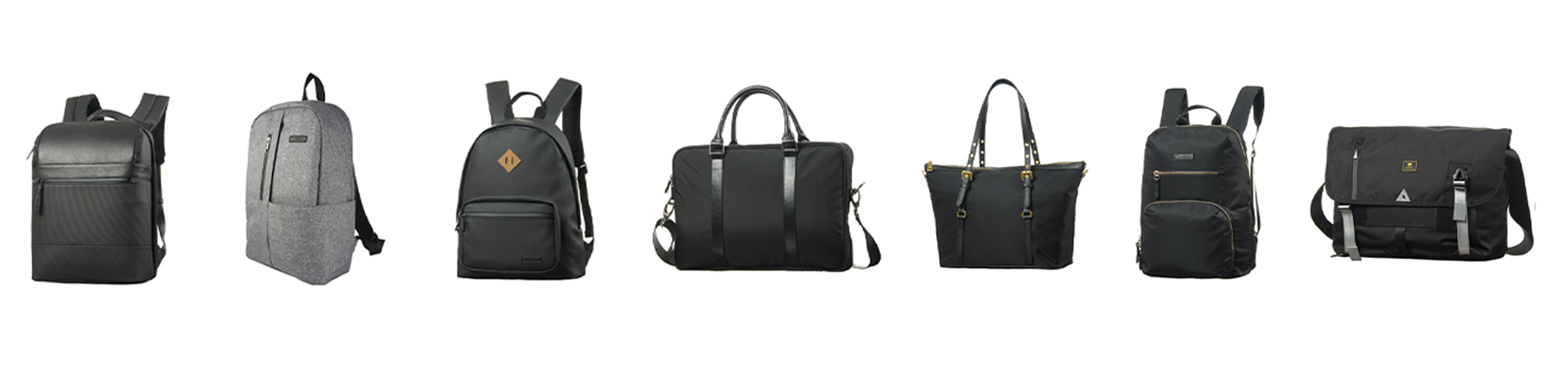
В процессе закупки и разработки сумок «водонепроницаемость» является одним из наиболее часто упоминаемых, но при этом наиболее часто неправильно понимаемых показателей. Конечные потребители часто используют «водонепроницаемость» в качестве ключевого критерия оценки, но профессиональные производители сумок понимают, что водонепроницаемость на самом деле представляет собой градуированный спектр — от обработки поверхности, способной противостоять лишь незначительным брызгам, до композитных барьеров, способных выдерживать погружение в воду. Различные процессы соответствуют совершенно разным техническим подходам, структурам затрат и сценариям применения.
В настоящее время в индустрии производства сумок наиболее широко используются три технологии водоотталкивающей отделки: DWR (Durable Water Repellent Coating), PU (Poyurethane Coating/Lamination) и TPU (Therplastic Polyurethane Lamination).
Это не просто линейная иерархия «хорошего» и «лучшего». Вместо этого каждая технология представляет собой различное решение со своими компромиссами в отношении водонепроницаемости, воздухопроницаемости, тактильных ощущений, долговечности и стоимости. Для покупателей рюкзаков OEM-производителей понимание принципиальных различий между этими тремя технологиями имеет важное значение для разработки обоснованных технических характеристик продукции, контроля затрат и удовлетворения ожиданий конечных пользователей.
В данной статье будет представлено систематическое сравнение этих трех технологий водоотталкивающей отделки с трех точек зрения: принципы процесса, данные о производительности и производственные практики, что послужит объективным ориентиром для принятия решений по выбору материалов в индустрии производства мешков.
Оглавление:
1.1.1 Технический принцип: Заставить капли воды «стоять» на ткани
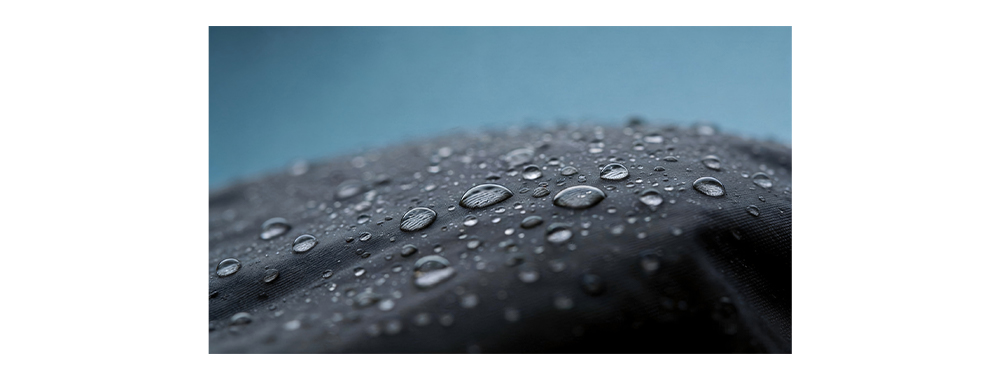
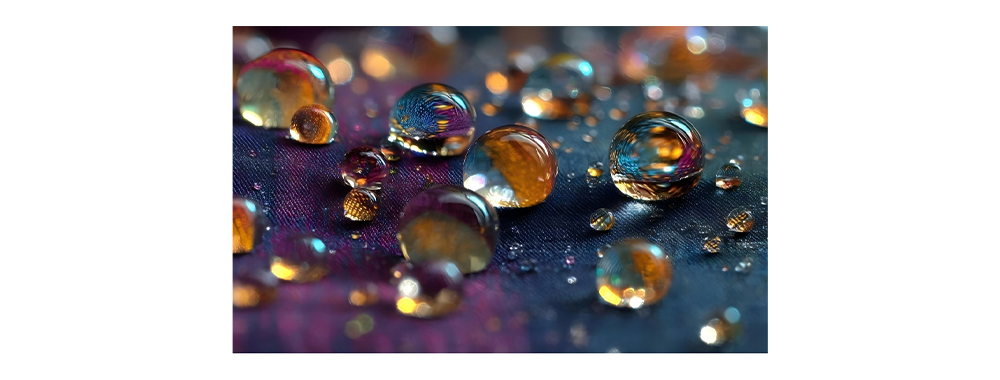
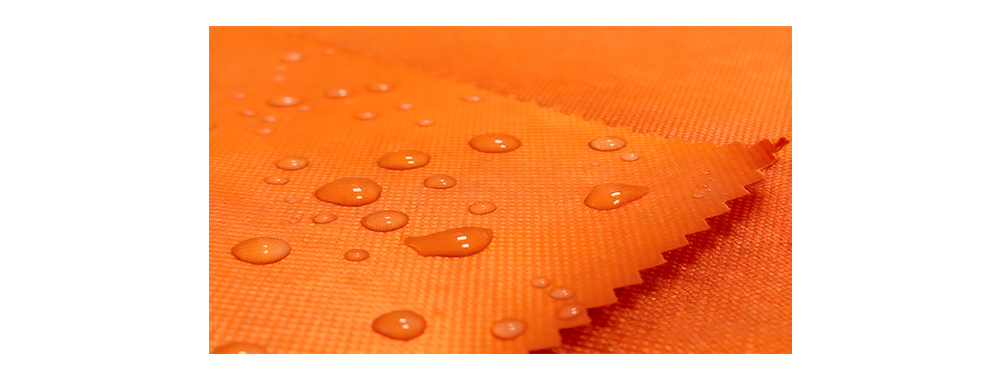
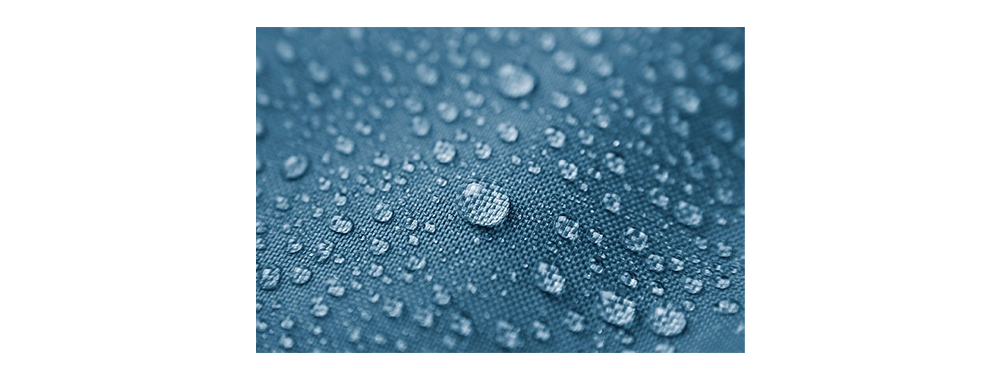
Водоотталкивающая обработка (DWR) — это процесс химической обработки поверхности ткани, а не создание структурного водонепроницаемого слоя. Она работает за счет изменения характеристик поверхностного натяжения волокон, в результате чего молекулы воды образуют капли на поверхности ткани и скатываются с них, а не смачивают и не проникают в зазоры между нитями.
Важно уточнить, что водоотталкивающая пропитка (DWR) не делает ткань водонепроницаемой. Она не может предотвратить проникновение воды под постоянным давлением и не может герметизировать поры самого текстиля. Ткань из брезента или нейлона, обработанная только водоотталкивающей пропиткой (DWR), обычно достигает значения гидростатического напора всего 300–600 мм в ходе гидростатического испытания, что означает, что она может выдерживать только легкие брызги или кратковременный дождь.
1.1.2 Основные преимущества: лёгкий вес, воздухопроницаемость и быстрое высыхание.
Главное преимущество DWR заключается в том, что оно практически не влияет на первоначальные свойства ткани. Поскольку покрытие очень тонкое (обычно на уровне микрон), тактильные ощущения, мягкость, воздухопроницаемость и вес ткани практически не изменяются. Для складных сумок, подкладочных материалов или летних рюкзаков для поездок на работу, которые стремятся к «сверхлегкому» дизайну, DWR является идеальным выбором. Оно также может значительно уменьшить количество влаги, впитываемой тканью, позволяя сумке быстрее сохнуть во влажной среде и снижая нагрузку, вызванную увеличением веса из-за впитывания влаги тканью.
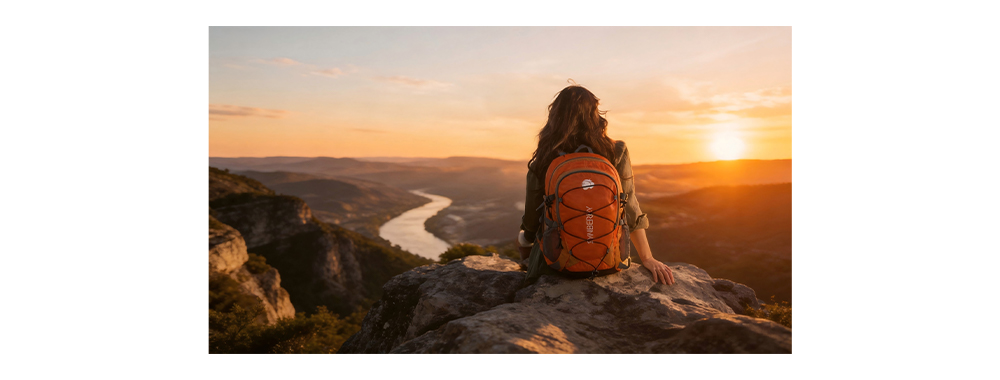
В практике производства водонепроницаемых рюкзаков для активного отдыха (OEM) водоотталкивающее покрытие (DWR) часто используется в качестве «первого слоя защиты». Оно уменьшает количество воды, достигающей нижележащего водонепроницаемого барьера, тем самым косвенно продлевая срок службы водонепроницаемого слоя из полиуретана (PU) или термопластичного полиуретана (TPU). Например, в рюкзаке для активного отдыха с трехслойной конструкцией «нейлон рипстоп + покрытие DWR + полиуретановая подложка» наличие DWR означает, что полиуретановому покрытию не приходится самостоятельно принимать на себя весь удар поверхностной влаги.
1.1.3 Ограничения: проблемы с долговечностью и затраты на техническое обслуживание
Самый большой недостаток водоотталкивающей пропитки (DWR) — её недолговечность. Со временем грязь, масла, остатки моющих средств, а также многократные изгибы и истирание поверхности ткани могут повредить гидрофобный молекулярный слой DWR. Потребители часто сталкиваются с такой ситуацией: когда рюкзак новый, капли воды скатываются с него, как вода с листа лотоса под дождём, но после шести месяцев использования ткань начинает намокать и впитывать воду. Это не означает, что ткань «протекает»; скорее, разрушение водоотталкивающей обработки позволяет воде напрямую смачивать и проникать внутрь текстиля.
Для поддержания водоотталкивающих свойств конечным пользователям необходимо периодически наносить восстанавливающее водоотталкивающее средство, что в некоторой степени увеличивает общую стоимость использования продукта. Для производителей это означает, что ограничения водоотталкивающих свойств должны быть четко указаны в инструкции к продукту, чтобы избежать несоответствия между заявленными «водонепроницаемыми» свойствами и фактическими результатами.
1.1.4 Экологический переход: переход от C8 к C0 и безфторсодержащим составам
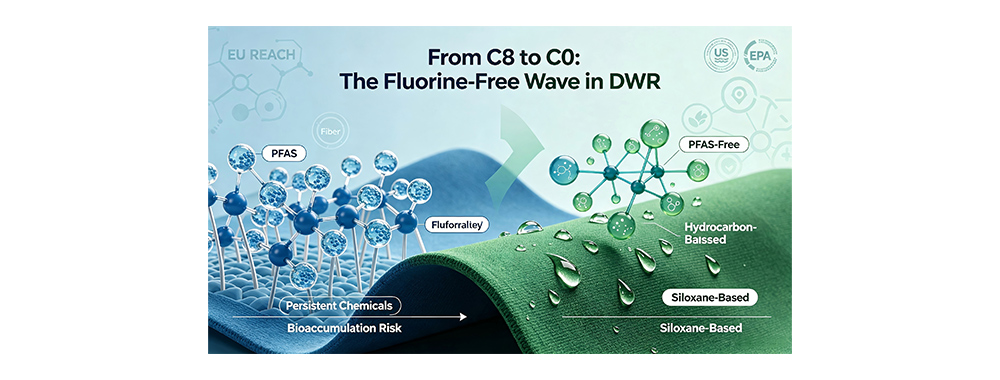
В отрасли производства водоотталкивающих покрытий (DWR) происходят глубокие экологические преобразования. Традиционные составы DWR часто основывались на фторированных соединениях (PFAS), таких как фторуглеродные цепи C8 или C6. Эти вещества чрезвычайно химически стабильны и известны как «вечные химикаты». Они могут накапливаться в окружающей среде и живых организмах, вызывая серьезные экологические и медицинские проблемы.
Регламент ЕС REACH, ограничения, введенные Агентством по охране окружающей среды США, и обязательства крупных производителей товаров для активного отдыха по обеспечению устойчивого развития стимулируют переход от фторированных водоотталкивающих составов к составам без фтора (без CO или ПФАС). Водоотталкивающие составы без фтора основаны на углеводородах или силоксанах. Хотя они несколько уступают традиционным фторированным продуктам по устойчивости к маслам и жирам, а также по долговечности, они теперь способны соответствовать требованиям большинства применений в производстве сумок.
1.2.1 Технический принцип: Герметизация пор ткани путем превращения жидкости в твердое состояние.
Ламинирование полиуретаном (ПУ) — наиболее широко используемый процесс водоотталкивающей отделки в производстве сумок.
В отличие от поверхностной обработки, обеспечиваемой водоотталкивающим покрытием DWR, полиуретановая гидроизоляция предполагает прямое нанесение жидкого полиуретанового покрытия на изнаночную сторону ткани. После затвердевания покрытие образует прочную, но гибкую полимерную пленку, которая прилипает к текстильной основе. Эта полиуретановая пленка заполняет зазоры между переплетенными участками ткани, предотвращая проникновение жидкой воды.
Толщина полиуретанового покрытия обычно измеряется как «вес покрытия» или «толщина влажной пленки». Чем больше вес покрытия, тем выше водонепроницаемость; однако ткань при этом становится соответственно жестче и тяжелее. Кусок нейлона 210D в сочетании со стандартным полиуретановым покрытием (приблизительно 30 г/м²) обычно обеспечивает гидростатическое давление 1000–2000 мм, чего достаточно для защиты от умеренного дождя в условиях ежедневных поездок на работу.
1.2.2 Основные преимущества: Сбалансированный выбор с точки зрения производительности
1.2.3 Ограничения: Недостаточная прочность и воздухопроницаемость
Однако полиуретановое покрытие также имеет ряд существенных недостатков, которые нельзя игнорировать:
1.3.1 Технический принцип: Бесшовный барьер из термопластичного эластомера
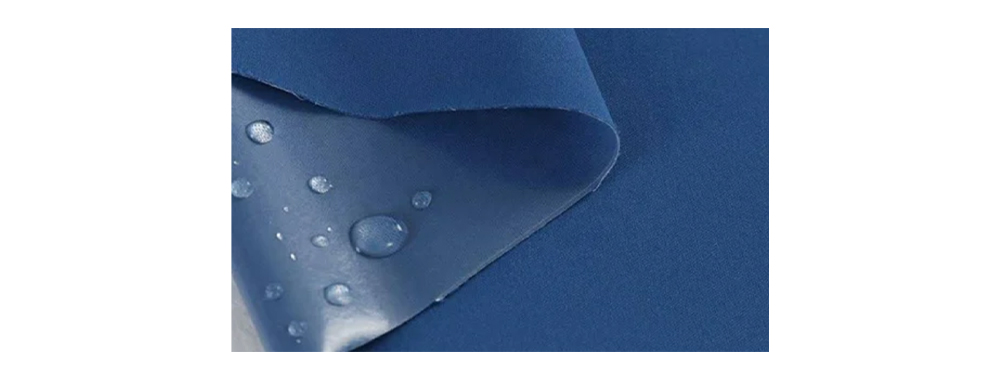
Технология композитных материалов на основе ТПУ (термопластичного полиуретана) представляет собой более высокий уровень водонепроницаемости для тканей сумок. В отличие от процесса «нанесения покрытия и формирования пленки», используемого для нанесения полиуретанового покрытия, ламинирование ТПУ включает в себя прочное соединение предварительно сформированной пленки ТПУ с тканевой основой с помощью термоплавкого клея или термопрессования, создавая независимый, непрерывный и равномерно толстый водонепроницаемый барьер.
Сам по себе ТПУ представляет собой блок-сополимер, сочетающий в себе высокую эластичность резины с технологичностью пластика. Жесткие сегменты в его молекулярных цепях (состоящие из диизоцианатов и удлинителей цепи) обеспечивают прочность и термостойкость, а мягкие сегменты (состоящие из длинноцепочечных полиолов) — гибкость и эластичность. Эта уникальная структура позволяет пленке из ТПУ сохранять гибкость в очень широком диапазоне температур (от -40°C до +80°C), не становясь хрупкой при низких температурах и не размягчаясь и не становясь липкой при высоких температурах, как это может происходить с полиуретановыми покрытиями.
1.3.2 Преимущества в производительности: Комплексная защита на более высоком уровне
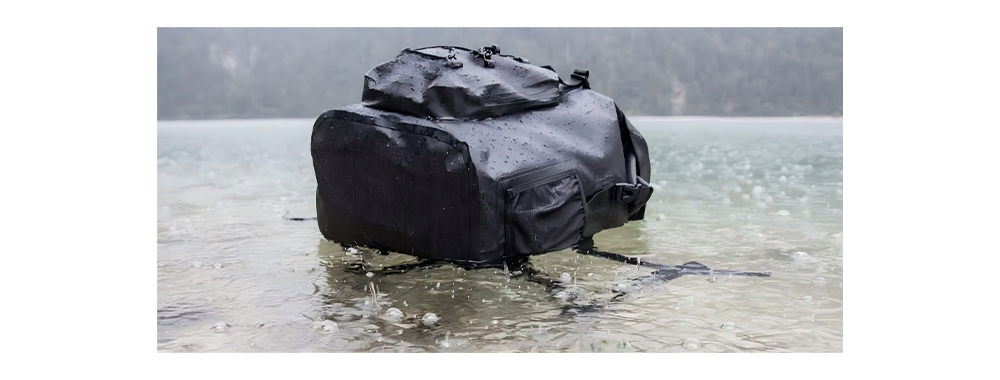
1.3.3 Ограничения: проблемы, связанные со стоимостью и обработкой
Основные недостатки ламинирования с использованием ТПУ заключаются в его высокой стоимости и сложности производства.
Для более наглядного понимания различий между тремя процессами в следующей таблице представлено количественное сравнение по нескольким ключевым параметрам:
Размер сравнения | Водоотталкивающее покрытие DWR | Полиуретановое ламинирование | Композит из ТПУ |
Уровень гидроизоляции | Водоотталкивающий (IPX2) | Защита от дождя (IPX3–IPX4) | Водонепроницаемость (IPX5 и выше) |
Гидростатический напор | 300–600 мм вод. ст. | 1000–3000 мм вод. ст. | 3000–20000+ мм вод. ст. |
Воздухопроницаемость (MVTR) | Чрезвычайно высокая (близкая к высоте оригинальной ткани) | Умеренный (1000–1200 г/м²/24 ч) | Относительно низкий уровень (200–500 г/м²/24 ч) |
Влияние на тактильные ощущения | Практически никто | Немного жестче | Умеренно более жесткий, но при этом сохраняющий эластичность. |
Увеличение веса | Чрезвычайно малый вес (+1–3 г/м²) | Свет (+20–60 г/м²) | Умеренный (+30–80 г/м²) |
Долговечность | Склонен к износу; требует регулярного технического обслуживания. | 3–5 лет, с риском гидролиза | 5–8+ лет, с отличной устойчивостью к гидролизу. |
Сложность обработки | Низкий | Низкий | Средняя или высокая степень прочности (требуется проклейка швов лентой или сварка). |
Экологические характеристики | Переход к составам, не содержащим фтора. | Переход от составов на основе растворителей к составам на водной основе. | Термопластичный материал, пригодный для вторичной переработки. |
Типичные области применения | Повседневные рюкзаки, подкладки, складные сумки | Рюкзаки для поездок на работу, дорожные сумки, школьные сумки | Сумки для активного отдыха, сумки для дайвинга, профессиональное снаряжение |
Таким образом, три процесса демонстрируют четкое поэтапное различие в эффективности гидроизоляции:
Для производителей рюкзаков это означает, что характеристики водонепроницаемости должны устанавливаться в соответствии с реальными сценариями использования продукта, а не путем слепого стремления к максимально возможному числовому показателю.
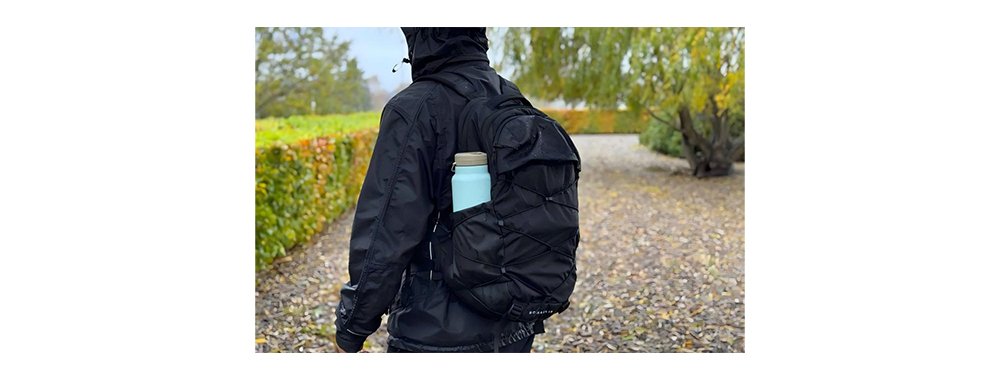
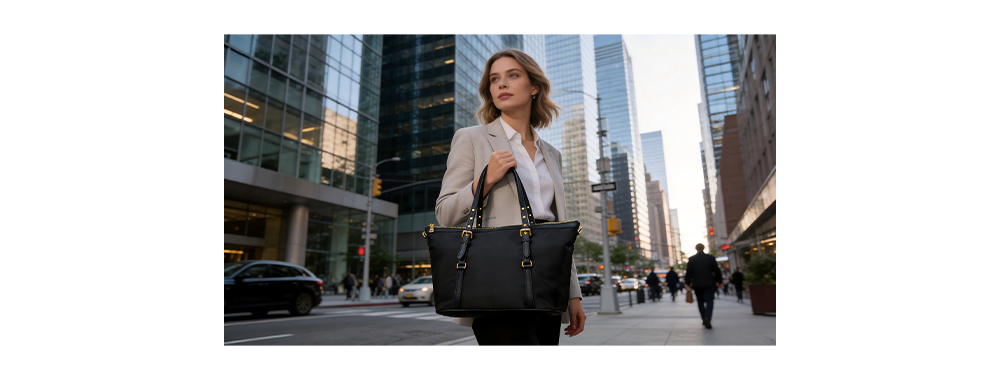
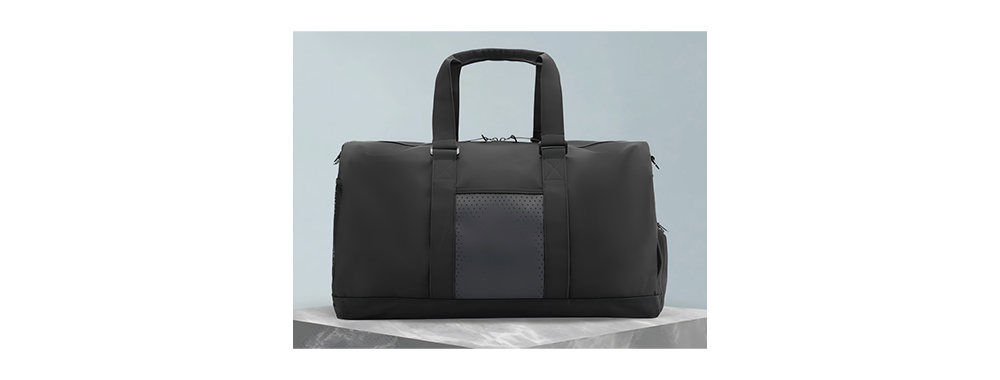
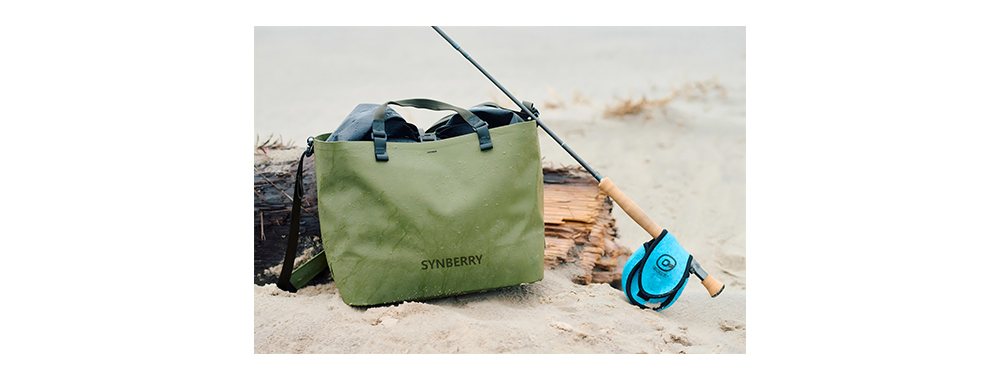
Рюкзаки — одна из категорий товаров, где все три процесса водонепроницаемости применяются наиболее широко, поскольку рюкзаки, занимающие разные позиции на рынке, предъявляют совершенно разные требования к водонепроницаемости.
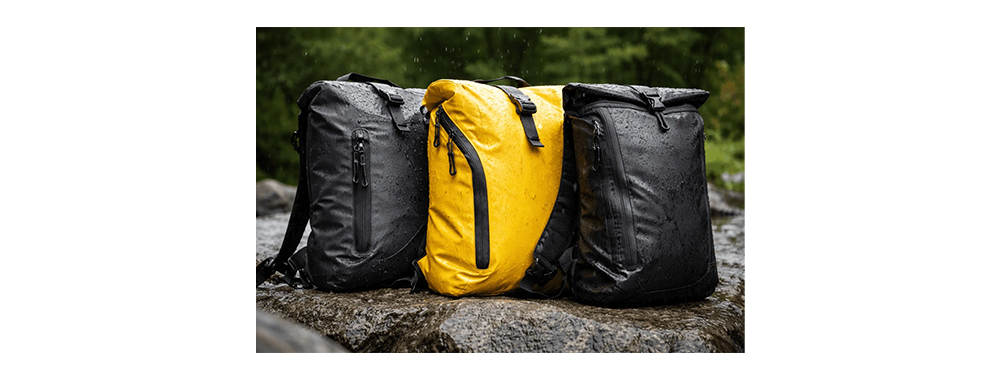
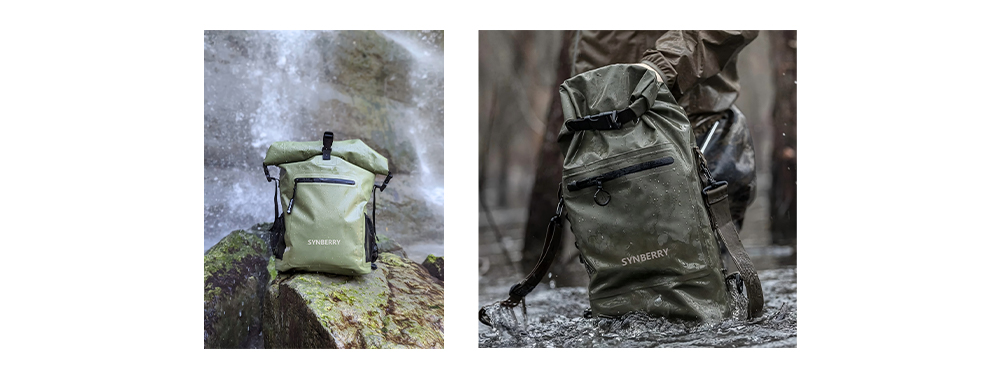
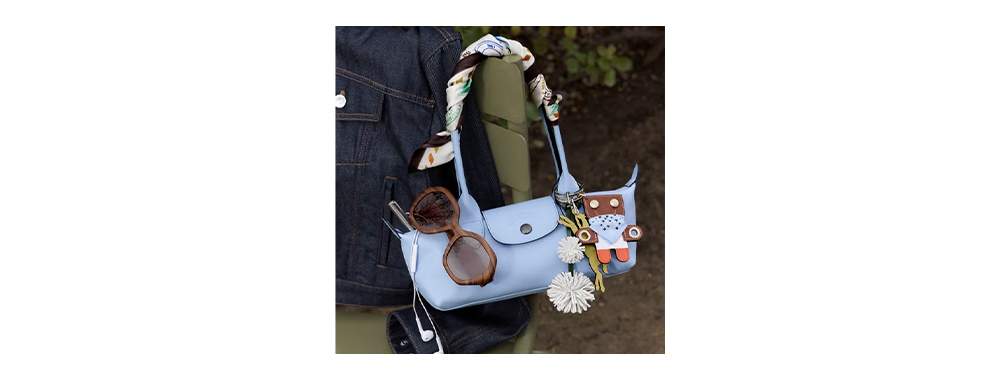
Требования к водонепроницаемости сумок и кошельков зачастую менее очевидны, но они не менее важны.
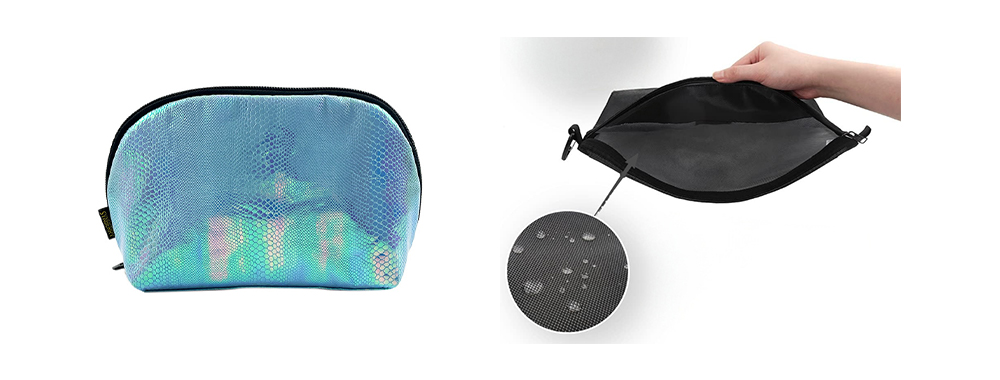
Косметички и сумки для туалетных принадлежностей относятся к самым маленьким категориям сумок, но их требования к водонепроницаемости особенно уникальны. В отличие от рюкзаков и сумок, которые в основном должны справляться с «внешней дождевой водой», основная угроза для косметичек исходит от внутренней протечки. Опрокинутый флакон тонального крема, тюбик солнцезащитного крема, лопнувший под давлением, или протекающий флакон духов могут испортить все вещи внутри сумки и даже повредить другие предметы, упакованные в тот же чемодан. Поэтому логика водонепроницаемости косметичек и сумок-органайзеров основана на принципе «изнутри наружу».
Для производителей косметичек, работающих по OEM-контрактам, выбор ткани для косметичек должен одновременно соответствовать трем требованиям: изысканный внешний вид, защита от протекания внутри и простота чистки.
Внешняя ткань обычно обрабатывается водоотталкивающим покрытием DWR, которое сохраняет глянцевый вид и приятную на ощупь текстуру ткани, а также обеспечивает защиту от брызг из раковин в ванной комнате.
Основной водонепроницаемый слой — это подкладка. В косметичках среднего ценового сегмента часто используется подкладка с полиуретановым покрытием. Такой подход позволяет контролировать затраты и эффективно предотвращает проникновение жидкости, но после длительного использования подкладка может разбухнуть или подвергнуться поверхностному разрушению из-за воздействия масел, эфирных масел и спиртосодержащих ингредиентов, содержащихся в косметике.
В некоторых изделиях премиум-класса вместо этого используется ламинированная подкладка из ТПУ, которая обладает значительно лучшей химической стойкостью, чем полиуретан. Она обеспечивает более высокую устойчивость к эфирным маслам и косметике на спиртовой основе, а также может быть изготовлена в виде бесшовной внутренней подкладки с помощью высокочастотной сварки, полностью исключая риск протекания через отверстия от иглы.
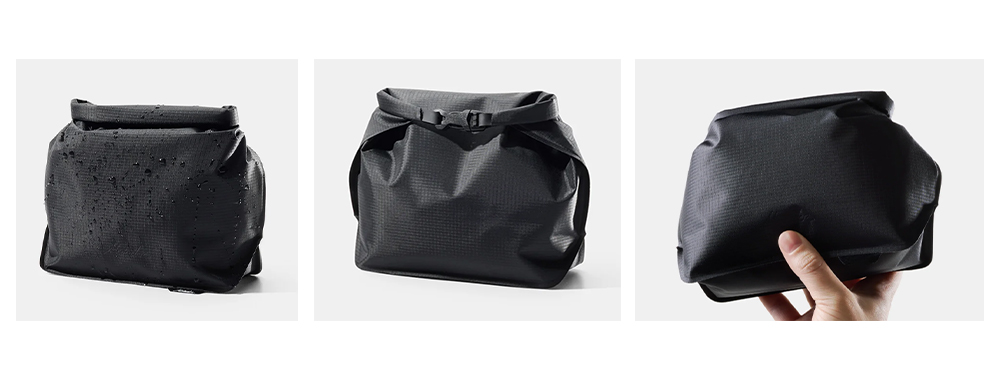
По сравнению с косметичками, косметички ближе к позиционированию «мягких водонепроницаемых чехлов». Поскольку в них непосредственно хранятся жидкие средства личной гигиены, сочетание ламинированной ткани из ТПУ, водостойкой молнии и застежки-рулона стало стандартной конфигурацией для высококачественной продукции.
Устойчивость ТПУ к гидролизу особенно важна в данном применении. Косметички часто используются в помещениях с высокой влажностью, таких как ванные комнаты, где скорость старения полиуретановых покрытий может значительно ускориться. Для OEM-заказчиков косметичек, ориентированных на европейский и американский рынки, косметички из ткани с ламинированием ТПУ не только легче проходят более строгие испытания на водонепроницаемость (например, испытание на брызгостойкость IPX4), но и имеют больше шансов получить положительные отзывы от клиентов о «герметичности» на основе их реального опыта использования.
В сфере производства и продажи сумок термин «водонепроницаемый» используется слишком часто и зачастую неоднозначно. После ознакомления с традиционными процессами водонепроницаемости, давайте теперь рассмотрим стандартизированные тесты, используемые в отрасли для определения и проверки водонепроницаемости.
Испытание на гидростатическое давление — это самый простой и широко используемый метод измерения сопротивления ткани проникновению жидкой воды. Принцип испытания заключается в закреплении образца ткани на приспособлении со стандартизированной испытательной зоной, затем приложении давления воды к одной стороне ткани с постоянной скоростью и регистрации высоты давления, при которой вода проникает на противоположную сторону ткани (измеряется в миллиметрах водяного столба, мм вод. ст.).
К основным стандартам относятся:
l AATCC 127 (Американская ассоциация химиков и колористов текстильной промышленности): Испытательное давление увеличивается со скоростью 60 мбар/мин, и этот метод подходит для рутинной оценки большинства тканей для сумок.
ISO 811 (Международная организация по стандартизации): По принципу действия аналогичен AATCC 127, но с несколько иными скоростями нагнетания давления и размерами образцов. Европейские заказчики обычно требуют протоколы испытаний, составленные на основе этого стандарта.
l JIS L 1092 (Японский промышленный стандарт): Широко используется в азиатских цепочках поставок. Метод A — это метод низкого давления, а метод B — метод высокого давления. Для высококачественных сумок для активного отдыха часто требуются данные, полученные по методу B.
Испытание на гидростатическое давление измеряет сопротивление ткани статическому давлению, но в реальных условиях дождевая вода контактирует с поверхностью мешка за счет динамического воздействия. Испытание на распыление предназначено для имитации этого сценария.
Стандарты AATCC 22 и ISO 4920 являются наиболее часто используемыми стандартами для испытаний на распыление. Во время испытаний 250 мл воды распыляется с фиксированной высоты (обычно 150 мм) на образец ткани, расположенный под углом 45°. Затем образец оценивается путем сравнения площади смачиваемой поверхности со стандартной шкалой оценки смачиваемости от 1 до 5, где 5 — наилучшая оценка.
Ключевое преимущество водоотталкивающего покрытия (DWR) наиболее наглядно демонстрируется в испытании на распыление. Нейлоновая ткань, обработанная высококачественным водоотталкивающим покрытием, после распыления будет скатываться каплями воды, практически не оставляя следов влаги на поверхности образца и потенциально получая оценку 4–5. В отличие от этого, та же ткань после разрушения водоотталкивающего покрытия позволит воде быстро растекаться по поверхности и проникать в структуру текстиля, что потенциально может привести к оценке всего 1–2.
В обоих описанных выше тестах в качестве объекта испытания используется ткань, но окончательная водонепроницаемость сумки зависит от комплексной работы «ткани + конструкции». В ходе испытания на протечки (AATCC 35) вся сумка или сшитая из ткани конструкция помещается в имитированную дождевую среду, вода распыляется под заданным углом и с заданной скоростью потока для оценки протечек в структурно уязвимых местах, таких как швы, молнии и углы.
Ламинированная ткань из ТПУ может иметь значение гидростатического напора до 5000 мм, но если швы не герметизированы тесьмой после сшивания, вода может сначала проникнуть через швы во время испытания на воздействие дождя. Поэтому испытание на воздействие дождя служит связующим звеном между «характеристиками материала» и «характеристиками готового изделия».
В сегменте туристических рюкзаков потребители часто обсуждают «водонепроницаемость» и «воздухопроницаемость» как противоположные характеристики. Однако эти два свойства необходимо количественно оценивать с помощью разных тестов. Показатель паропроницаемости (MVTR) измеряет способность ткани пропускать водяной пар и обычно выражается в г/м²/24ч.
Основными стандартами испытаний являются ASTM E96 (метод с использованием чашки) и JIS L 1099 (метод с использованием хлорида кальция / метод определения влагопроницаемости с помощью чашки).
Ткани, обработанные водоотталкивающим покрытием (DWR), обладают самым высоким показателем паропроницаемости (MVTR), как правило, близким к показателю исходной необработанной ткани; полиуретановые покрытия значительно снижают паропроницаемость; а ламинированные ткани из термопластичного полиуретана (TPU) с использованием плотных, немикропористых пленок обычно имеют самый низкий показатель паропроницаемости.
В протоколе испытаний водонепроницаемой ткани, соответствующем квалификационным требованиям, должна содержаться как минимум следующая информация:
В реальных производственных условиях производителям следует внедрить систему входного контроля материалов. При поступлении ткани на склад необходимо отбирать пробы гидростатического давления и проводить его тестирование в соответствии со стандартом AATCC 127. Такая предпроизводственная проверка материалов позволяет выявлять риски нарушения гидроизоляции на ранней стадии производства и предотвращать масштабные переделки.
В этой связи компания Synberry Bag, специализирующаяся на производстве сумок в течение 30 лет, проводит стандартизированные испытания на водонепроницаемость для подтверждения параметров производительности перед выпуском каждого нового продукта, гарантируя, что водонепроницаемость готовой продукции остается стабильной и соответствует требованиям заказчика, а также избегая жалоб клиентов, вызванных отсутствием процедур тестирования.
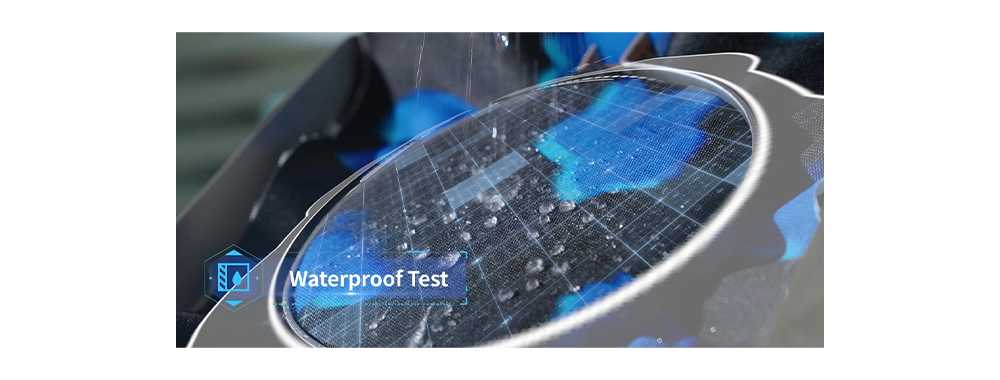
На изображении показано, как компания SYNBERRY BAG проводит гидростатические испытания каждой партии водонепроницаемых материалов перед выпуском новой продукции.
А: ПВХ (поливинилхлорид) и ПУ (полиуретан) — это две совершенно разные полимерные системы, и они значительно различаются в применении для гидроизоляции сумок.
А: Да, но эффективность ограничена. Водоотталкивающее покрытие (DWR) — это обработка поверхности, и после того, как оно теряет свою эффективность, ее можно восстановить с помощью имеющихся в продаже водоотталкивающих спреев (например, Nikwax TX.Direct или Grangers).
Процесс восстановления обычно включает в себя: очистку ткани → сушку в барабане при низкой температуре или глажение для активации волокон → равномерное нанесение водоотталкивающего средства → повторное воздействие низкой температуры для закрепления средства. Однако самостоятельное восстановление, как правило, менее эффективно, чем заводское нанесение средства методом пропитки или распыления, а частое восстановление может изменить тактильные ощущения от ткани.
А: После того как полиуретановое покрытие подверглось явному гидролизу (липкость поверхности, образование порошка или отслоение), это представляет собой необратимую химическую деградацию, и его нельзя восстановить простой очисткой или повторным нанесением покрытия.
Для брендов профилактика лучше, чем устранение проблем. На этапе закупки производители пакетов должны использовать устойчивый к гидролизу полиуретан, при этом предпочтение следует отдавать полиэфирным составам, а не полиэфирным. Во время хранения также необходимо контролировать температуру и влажность на складе, рекомендуемая относительная влажность должна быть ниже 60%, а температура — ниже 25°C. Для продукции, демонстрирующей ранние признаки гидролиза, единственными подходящими мерами контроля качества являются изоляция и оценка процента брака.
А: Да, и это очень распространенная практика в реальном производстве. Типичная «сэндвич-конструкция» состоит из: водоотталкивающего покрытия DWR на лицевой стороне ткани → полиуретанового покрытия или ламинирования TPU на изнаночной стороне ткани → герметизации швов лентой.
Эта комбинация не просто увеличивает эксплуатационные характеристики; скорее, функции дополняют друг друга: DWR уменьшает количество воды, достигающей водонепроницаемого барьера, и продлевает срок службы слоя PU/TPU; PU/TPU обеспечивает фактическую водонепроницаемость; а шовная лента предотвращает структурные протечки.
Однако для брендов объединение нескольких решений значительно увеличивает как затраты, так и сложность процесса, поэтому целесообразность такого подхода следует определять в зависимости от рыночного позиционирования продукта.
А: С точки зрения свойств материала, ТПУ является термопластичным материалом и теоретически может быть переработан и повторно использован, тогда как полиуретановое покрытие представляет собой термореактивную систему, которую после отверждения трудно отделить и переработать.
Однако вопрос о «более экологичном» варианте актуален на протяжении всего жизненного цикла. Производство ламинированной ткани из ТПУ требует больше энергии, а композитная структура ТПУ и ткани также затрудняет фактическую переработку.
Для брендов, вместо того чтобы чрезмерно сосредотачиваться на вопросе «какой из них более экологичен», более практично четко ограничивать использование вредных веществ (таких как ПФАС, фталаты и тяжелые металлы) в контрактах на закупки и отдавать приоритет поставщикам, получившим соответствующие экологические сертификаты.
А: Это зависит от целевого уровня водонепроницаемости изделия. Обычные молнии имеют зазоры между зубцами, которые могут пропускать воду, когда гидростатическое давление превышает 300–500 мм. Водонепроницаемые молнии (например, серии YKK Aquaguard и Vislon) используют зубцы с полиуретановым покрытием или ленты с ламинированием из ТПУ для повышения водонепроницаемости области молнии до уровня, сопоставимого с водонепроницаемостью ткани.
Внешний защитный клапан может обеспечить определенную защиту от дождя, но он не справится с сильным ветром, дождем или попаданием жидкости на сумку, если она перевернута вверх дном. Для сумок для поездок на работу, отнесенных к категории «водонепроницаемые», защитный клапан в сочетании с обычной молнией — экономичное решение. Для сумок для дайвинга или каньонинга, отнесенных к категории «водонепроницаемые», водонепроницаемая молния или застежка-рулон являются конструктивным элементом, которым нельзя пренебрегать.
Водоотталкивающее покрытие (DWR), полиуретановое ламинирование и композитные технологии на основе термопластичного полиуретана (TPU) в совокупности образуют полный технический спектр в индустрии производства сумок, от «водоотталкивающих» до «водонепроницаемых». Между ними нет абсолютной иерархии преимуществ и недостатков; скорее, ключевое значение имеет то, насколько хорошо каждая технология соответствует позиционированию продукта, сценарию использования, бюджету и экологическим требованиям.
По мере развития технологий водоотталкивающей обработки, DWR становится все более экологичным, полиуретан (PU) — более долговечным, а ТПУ — более легким и тонким. Будучи ключевым звеном в цепочке производства сумок, мы всегда уделяли пристальное внимание этим технологическим разработкам, помогая брендам преобразовывать достижения материаловедения в повышение конкурентоспособности своей конечной продукции.
| Автор | ||||||
|
Пожалуйста, читайте дальше, оставайтесь в курсе, подписывайтесь, и мы приглашаем вас рассказать нам, что вы думаете.




Авторское право
@2024 Synberry Bag & Package Products Co.,Ltd Все права защищены
.
 ПОДДЕРЖИВАЕМАЯ СЕТЬ