
Оглавление:
Испытание солевым туманом (Salt Spray Test / Salt Fog Test) — это метод ускоренного старения, имитирующий коррозионные среды в лабораторных условиях. Его основной принцип заключается в том, что при контролируемых условиях температуры, влажности и концентрации соли коррозионные явления, которые изначально проявлялись бы через месяцы или даже годы, могут быть сжаты и наблюдаться в течение нескольких часов или нескольких дней.
Прежде всего, важно прояснить один момент: результаты испытаний в солевом тумане нельзя напрямую перевести в фактический срок службы изделия.
Коррозия в естественных условиях подвержена влиянию множества факторов, включая воздействие ультрафиолетового излучения, перепады температур, чередование влажных и сухих условий, загрязняющие вещества в воздухе (например, SO₂) и механический износ. Однако лабораторная среда солевого тумана представляет собой единые условия непрерывной влажности и высоких концентраций хлорид-ионов. Поэтому истинная ценность испытаний в солевом тумане заключается в следующем:
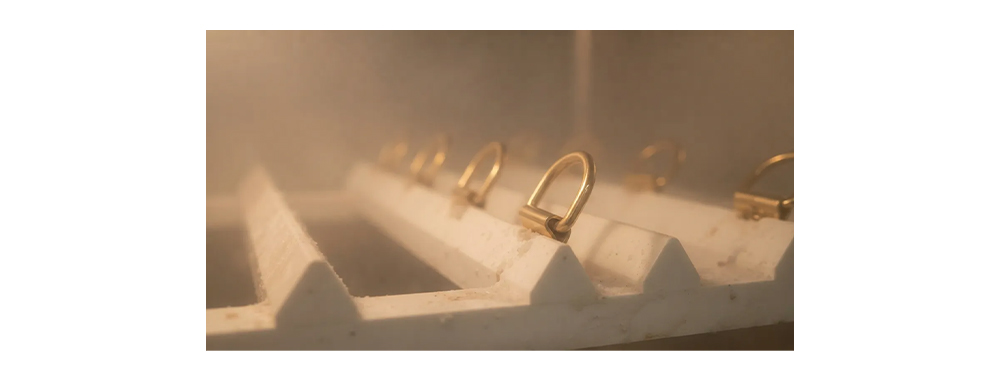
Испытание нейтральным солевым туманом (NSS) в настоящее время является наиболее распространенным методом испытаний в индустрии фурнитуры для сумок. Оно в основном соответствует следующим трем стандартным системам:
Стандартное число | Область применения | Основные параметры |
ISO 9227 | Международный стандарт | 5% NaCl, pH 6,5–7,2, 35°C ± 2°C |
ASTM B117 | Североамериканский рынок | 5% NaCl, pH 6,5–7,2, 35°C ± 2°C |
QB/T 3826-1999 | Китайский сектор легкой промышленности | 5% раствор NaCl, pH 6–7, 35°C ± 2°C, скорость осаждения 1–2 мл/80 см²·ч |
Эти три стандартные системы демонстрируют высокую степень согласованности в отношении параметров испытательной среды. Основные различия заключаются в калибровке оборудования и форматах регистрации результатов.
В производстве сумок по OEM/ODM-заказам мы обычно используем стандарт тестирования ISO 9227.
В стандарте ISO 9227 фактически указаны три метода тестирования с возрастающим уровнем строгости:
В повседневном контроле качества фурнитуры для сумок метод NSS остается абсолютно основным. Методы AASS и CASS чаще используются для экспресс-проверки при внедрении новых материалов или изменении технологических процессов, а не для контроля качества партий продукции.
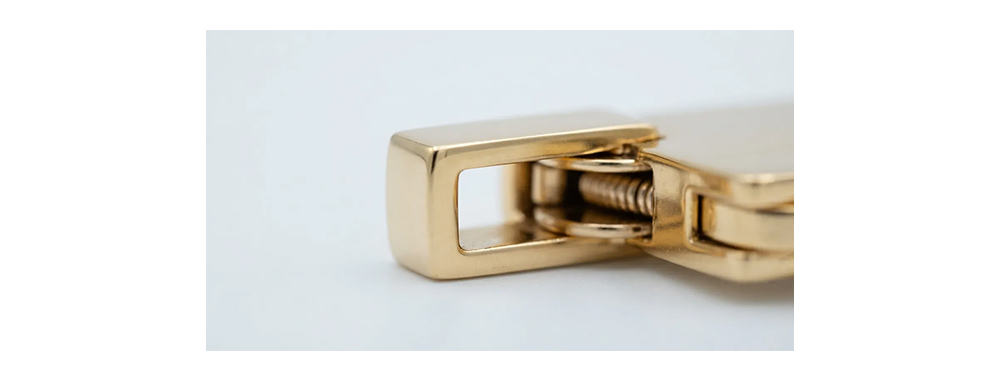
Толщина гальванического слоя измеряется в микрометрах (мкм, 1 мкм = 0,001 мм). В области фурнитуры для сумок это значение напрямую определяет продолжительность прохождения испытаний в солевом тумане. В отрасли действует эмпирическое правило, согласно которому толщина гальванического слоя имеет приблизительно линейную зависимость от времени коррозионной стойкости — при удвоении толщины срок службы защитного покрытия примерно удваивается.
Уровень слоя | Материал | Типичная толщина | Функция |
Ударный слой | Медь или никель | 0,5–2 мкм | Улучшает адгезию к подложке и заполняет микроскопические дефекты поверхности. |
Барьерный слой | никель | 1–3 мкм | Блокирует миграцию ионов металла в субстрате и обеспечивает основную защиту от коррозии. |
Декоративный слой (цвет) | Золото / Палладий / Хром / Имитация золота | 0,1–3 мкм | Придает поверхности цвет и блеск. |
Верхнее покрытие | Прозрачное покрытие / Нанокерамическое покрытие | 5–15 мкм | Герметизирует всю систему и защищает от пота, царапин и окисления. |
Согласно отраслевой практике, качество гальванического покрытия фурнитуры сумок можно разделить на четыре класса. Различия в толщине покрытия и устойчивости к солевому туману значительны:
Класс качества | Общая толщина покрытия | Типичное время прохождения через солевой туман | Сценарий применения |
Эконом-класс | <1 мкм | 16–24 часа | Быстрая мода, рекламная продукция, аксессуары для интерьера |
Средний класс | 1–2 мкм | 24–48 часов | Стандартные товарные линейки популярных брендов |
Высококачественный | 2,5–5 мкм | Более 48 часов | Дизайнерские бренды, премиальные линейки продукции. |
Роскошный класс | 5–10+ мкм | Более 96 часов | Ведущие люксовые бренды, такие как Hermès и LV. |
Для большинства стандартных сумок достаточно 24–48 часов испытаний. Однако конкретный пороговый уровень испытаний должен динамически корректироваться в зависимости от реальных условий эксплуатации и сценария применения изделия.
Недоразумение 1: Сосредоточение внимания только на толщине декоративного слоя, игнорируя барьерный слой.
Многие покупатели при оценке поставщиков сосредотачиваются только на «толщине декоративного слоя поверхности в микрометрах», упуская из виду толщину никелевого барьерного слоя. На самом деле, никелевый слой является основным защитным барьером от коррозии. Если никелевый слой слишком тонкий (<Даже если толщина декоративного слоя достигает 1 мкм, белая ржавчина может появиться в течение 24 часов при испытаниях в солевом тумане — потому что сам декоративный слой содержит микроскопические поры, позволяющие коррозионной среде проникать сквозь декоративный слой и непосредственно достигать подложки.
Недоразумение 2: Игнорирование защитного слоя (верхнего покрытия)
Прозрачное покрытие или нанокерамическое защитное покрытие действует как «дождевик» для аппаратных компонентов. Детали, покрытые гальваническим способом без защитного слоя, могут быстро обесцвечиваться после длительного контакта с человеческим потом (содержащим соль и слабые кислоты), даже если они прошли 24-часовой тест на стойкость к воздействию влаги. Высококачественный защитный слой может продлить срок службы аппаратных компонентов в 2–5 раз.
Недоразумение 3: Путаница между процессами «покрытия на подвеске» и «покрытия в барабане».
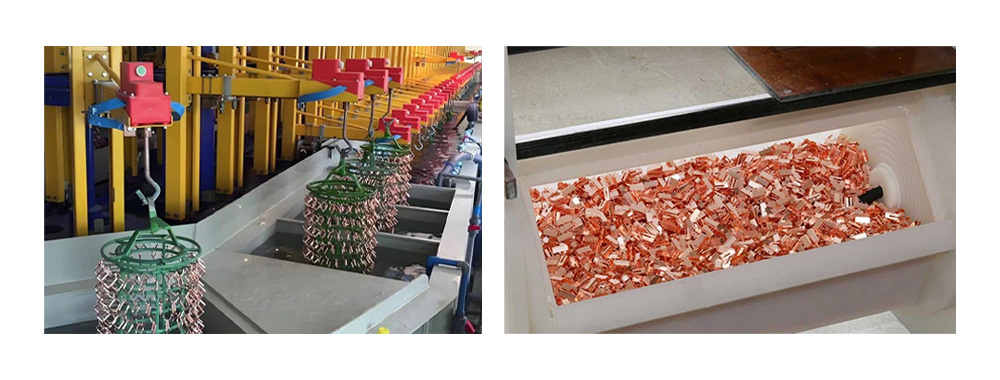
Максимальные эксплуатационные характеристики гальванического покрытия во многом определяются материалом подложки. Три наиболее распространенных материала подложки для фурнитуры сумок имеют свои преимущества и недостатки:
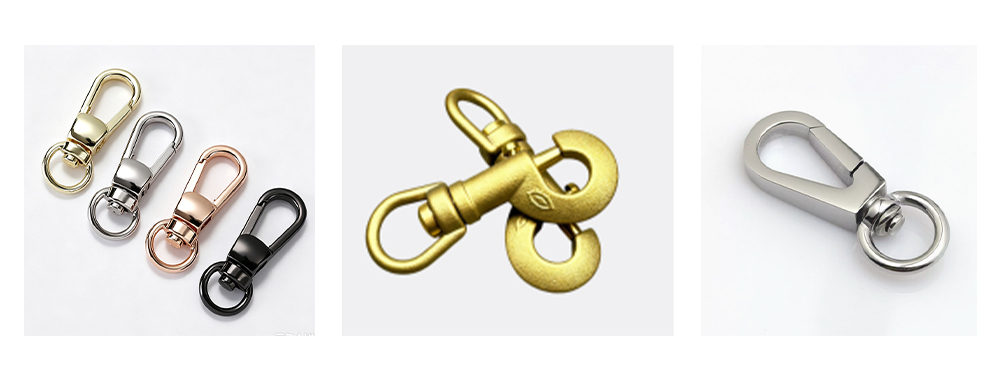
Примерно 80–90% фурнитуры для модных сумок изготавливается методом литья под давлением из цинкового сплава.
К его преимуществам относятся хорошая текучесть, простота создания сложных конструкций и умеренная стоимость. Однако сам цинковый сплав имеет пористую структуру. Если предварительная обработка перед гальваническим покрытием (полировка, обезжиривание, кислотная очистка) не будет тщательной, остаточные газы и примеси внутри пор могут образовывать «пузырьки» после гальванического покрытия, становясь отправными точками коррозии во время испытаний в солевом тумане.
Латунь — предпочтительный материал для изготовления высококачественных сумок. Она обладает плотной структурой, высокой механической прочностью и меньшей разностью электрохимических потенциалов по сравнению с металлами, покрытыми гальваническим покрытием, такими как никель и золото, что приводит к меньшей склонности к электрохимической коррозии. В классических элементах фурнитуры ведущих люксовых брендов, таких как Hermès и Chanel, часто используется латунь.
Недостатками латуни являются её более высокая плотность (примерно на 15% тяжелее цинкового сплава при том же объеме), более высокая стоимость и возможность обесцинкования, если состав сплава не контролируется должным образом. После длительного воздействия это может привести к появлению розовых пятен на поверхности.
Наиболее коррозионностойкий материал подложки, особенно нержавеющая сталь марки 316, которая благодаря содержанию молибдена демонстрирует исключительно хорошие характеристики в морской среде и при высокой влажности. Крепежные элементы из нержавеющей стали обычно можно использовать напрямую без гальванического покрытия (например, с матовой или зеркальной полировкой) или в качестве подложки для PVD-покрытий (физического осаждения из паровой фазы).
К его недостаткам относятся высокая сложность обработки, ограниченная гибкость конструкции и более высокая стоимость. В основном он используется для функциональных несущих элементов в багаже и рюкзаках для активного отдыха.
Независимо от качества материала подложки, гальванический слой не выдержит, если предварительная обработка будет ненадлежащей. Стандартный процесс предварительной обработки включает в себя:
Часто упускаемый из виду момент заключается в том, что литые из цинкового сплава компоненты перед гальваническим покрытием требуют проверки на наличие «следов холодной текучести». Следы холодной текучести — это дефекты поверхности, образующиеся при охлаждении передней кромки расплавленного металла в процессе литья под давлением. Их трудно обнаружить невооруженным глазом, но после гальванического покрытия они превращаются в заметные вмятины и служат потенциальными точками проникновения коррозии.
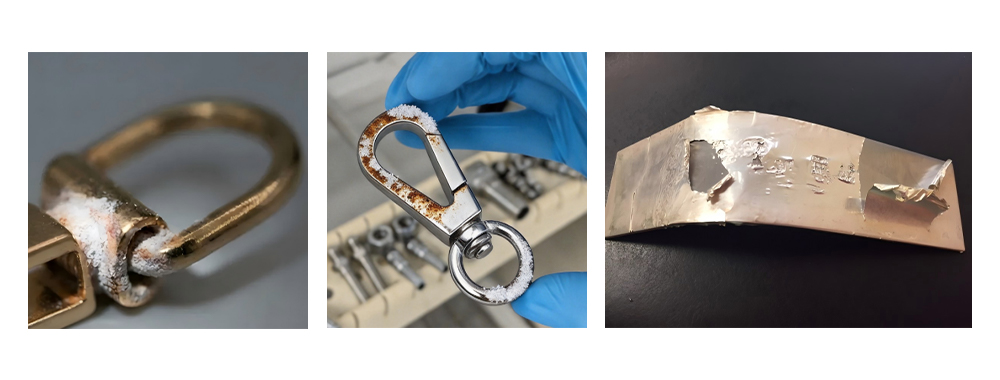
После испытаний в солевом тумане на компонентах оборудования обычно наблюдаются три типа коррозионных явлений:
Белая ржавчина — это продукт коррозии самого покрытия. Обычно она появляется на поверхности цинковых или никелевых покрытий и представляет собой белый порошкообразный или туманообразный налет. Появление белой ржавчины указывает на то, что покрытие было повреждено, но подложка еще не подверглась коррозии.
В ходе испытаний момент появления белой ржавчины отражает плотность и толщину покрытия. В многослойных системах гальванического покрытия белая ржавчина может появиться на поверхности никелевого слоя, что указывает на наличие пор или недостаточную толщину никелевого слоя.
Красная ржавчина — это продукт коррозии подложки (железа или стали), имеющий красновато-коричневый цвет. Появление красной ржавчины указывает на полное разрушение всей системы покрытия и считается серьезным дефектом качества.
В фурнитуре сумок, если на цинковых сплавах появляется красная ржавчина, это обычно сопровождается обширным вздутием или отслоением покрытия.
Это типичное проявление плохой адгезии. Образование пузырей обычно вызвано неполным обезжириванием во время предварительной обработки или водородным охрупчиванием в процессе электролитического осаждения. Отслаивание может быть связано с чрезмерным внутренним напряжением в покрытии или недостаточной прочностью сцепления между базовым слоем и подложкой.
На деталях с образованием пузырей часто быстро появляется красная ржавчина.
После завершения испытания необходимо оценить зону коррозии в соответствии со стандартом ISO 10289:
Рейтинг | Процент площади коррозии | Оценка качества |
10 | Без дефектов | Идеальный |
9 | ≤0,1% | Отличный |
8 | ≤0,25% | Хороший |
7 | ≤0,5% | Приемлемый |
6 | ≤1% | Критический |
≤5 | >2,5% | Неквалифицированный |
В рамках фактического контроля качества фурнитуры для сумок обычно требуется, чтобы показатель был не ниже 7-го класса (площадь коррозии ≤0,5%), а красная ржавчина не допускается. Внутренние стандарты некоторых элитных брендов требуют показателя 9-го класса или выше.
Различия в категориях товаров определяют пороговые значения для тестирования.
Различные типы сумок подвержены значительно разным рискам коррозии фурнитуры, поэтому требования к испытаниям следует соответствующим образом корректировать:
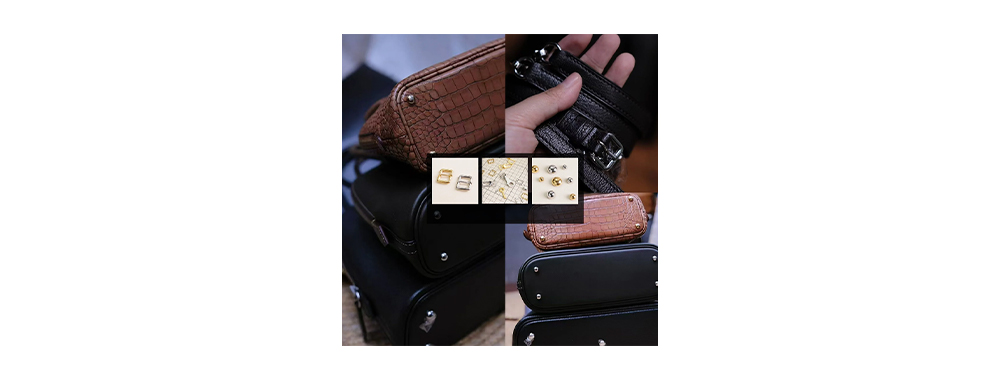
фурнитура рюкзака Обычно включает молнии, пряжки, D-образные кольца и регулировочные пряжки. Поскольку рюкзаки часто используются на открытом воздухе и подвергаются воздействию дождя и пота, рекомендуется, чтобы базовый срок испытаний по методу NSS составлял не менее 24 часов без появления красной ржавчины и волдырей.
Для заказов, ориентированных на тропические рынки или рынки морского климата, рекомендуется увеличить требуемый срок до более чем 48 часов.
Для OEM-заказчиков рюкзаков, предъявляющих особые требования к коррозионной стойкости фурнитуры, продолжительность испытаний и критерии отказа могут быть четко определены с производителем рюкзака на этапе отбора образцов заранее, что позволяет избежать споров, вызванных нечеткими стандартами при массовом производстве.
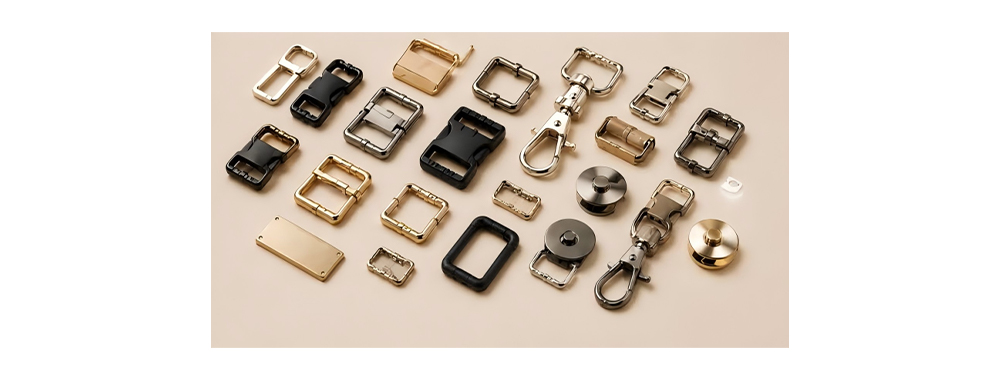
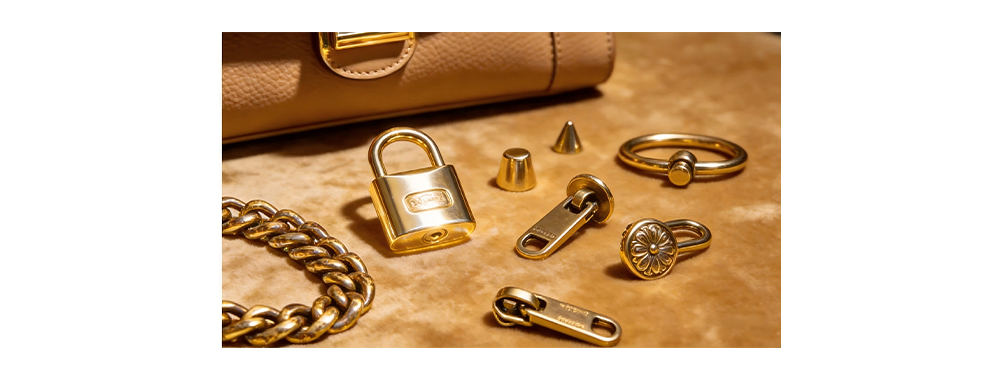
фурнитура для сумок Коррозия в первую очередь декоративна, а функциональность является второстепенным фактором. Она включает в себя такие компоненты, как замки, цепочки, ножки сумки и магнитные застежки. Условия эксплуатации сумок относительно щадящие (в основном в помещении), но потребители крайне нетерпимы к видимым дефектам внешнего вида. Рекомендуется, чтобы испытания NSS не выявили видимых пятен коррозии в течение 24 часов.
Для OEM-заказчиков сумок цепочки и замки являются ключевыми элементами контроля, позволяющими отслеживать изменения, происходящие в процессе длительного использования и износа, и их следует включать в обязательную проверку каждой производственной партии.
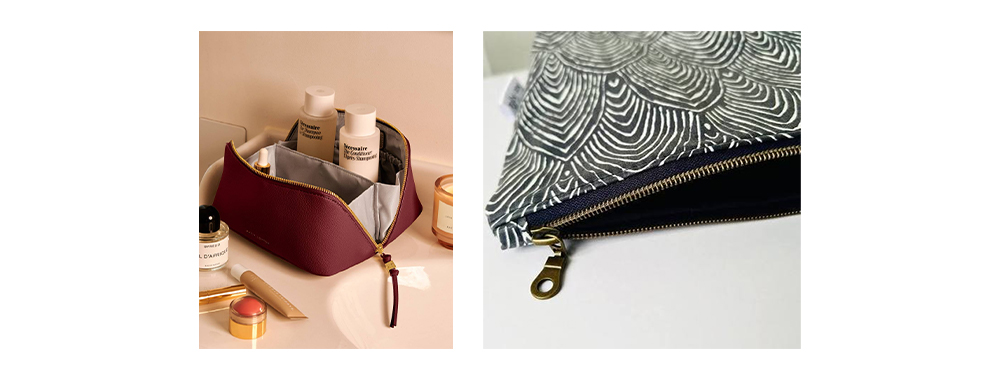
Фурнитура косметичек обычно меньше по размеру (например, язычки молний и небольшие застежки), но условия их использования довольно суровые — высокая влажность в ванных комнатах, химические компоненты косметики (такие как спирт, масла и ароматизаторы), а также механический износ, вызванный частым открыванием и закрыванием.
Для OEM-заказчиков косметичек проведение 24-часового теста NSS для косметичек и сумок для туалетных принадлежностей является обязательным требованием.
Фурнитура, такая как телескопические ручки, колесные базы и замки, подвергается как механическим нагрузкам, так и коррозии. Стандарты, такие как ISO 9227, устанавливают четкие требования к испытаниям на солевое распыление для фурнитуры багажа. Как правило, в соответствии со стандартом проводится 24-часовое испытание на солевое распыление. Однако для высококачественных деловых сумок часто предъявляются внутренние требования, превышающие 48 часов.
В традиционных процессах гальванического покрытия широко использовались пассивирующие слои из шестивалентного хрома (Cr⁶⁺) благодаря их превосходной коррозионной стойкости. Однако шестивалентный хром классифицируется как вещество, вызывающее особую озабоченность (SVHC) в соответствии с регламентом ЕС REACH и является канцерогенным. Поэтому его использование в фурнитуре сумок строго ограничено.
В настоящее время в отрасли наблюдается тенденция к пассивации трехвалентным хромом (Cr³⁺). Хотя его коррозионная стойкость несколько уступает шестивалентному хрому в некоторых экстремальных условиях, эквивалентные показатели испытаний NSS могут быть полностью достигнуты за счет увеличения толщины покрытия и оптимизации процессов герметизации.
Для заказов на поставку сумок по OEM-контрактам, экспортируемых в ЕС, мы рекомендуем, чтобы продукция имела сертификат соответствия требованиям REACH.
Физическое осаждение из паровой фазы (PVD) — это процесс нанесения металлических или керамических материалов на поверхности подложек в вакуумной среде. По сравнению с гальваническим покрытием, PVD-покрытия обладают твердостью примерно в 10 раз выше, чем традиционные гальванические покрытия, практически не царапаются и не выцветают, а также не требуют использования вредных химических растворов.
В области фурнитуры для сумок PVD-покрытие в настоящее время применяется в основном для:
К ограничениям PVD относятся высокие затраты на оборудование, чрезвычайно высокие требования к гладкости поверхности подложки (обычно требуется предварительное нанесение никелевого покрытия и зеркальная полировка), а также меньшая гибкость в выборе цвета по сравнению с гальваническим покрытием.
Таким образом, в ближайшие 5-10 лет гальваническое покрытие, вероятно, останется основным методом нанесения покрытий на фурнитуру сумок, но темпы распространения PVD-покрытия будут продолжать расти.
A: Для фурнитуры сумок испытание солевым туманом является ключевым методом проверки качества гальванического покрытия и прогнозирования долговременной работоспособности изделия во влажном климате (например, в Юго-Восточной Азии и прибрежных регионах).
Стандарт | Область применения | Примечания |
ASTM B117 | Северная Америка и международные рынки | Наиболее часто используемый эталонный метод нейтрального солевого тумана (NSS). |
ISO 9227 | Международная экспортная сертификация | Рассматриваются три метода: NSS, AASS и CASS. |
GB/T 10125 | Китайский национальный стандарт | Широко используется на предприятиях внутреннего и экспортного рынка. |
QB/T 3826 | Продукция легкой промышленности (фурнитура для багажа и сумок) | Исторический стандарт, используемый в китайской индустрии производства багажа. |
EN 1670 | Европейская архитектурная/мебельная фурнитура | Классифицирует коррозионную стойкость по классам 1–5 (24–480 ч). |
Ниже приведены распространенные отраслевые рекомендации (на основе метода нейтрального солевого тумана):
Позиционирование на рынке | Типичные требования к воздействию солевого тумана | Сценарий применения |
Быстрая мода / Начальный уровень | 24 часа или более | Сухие помещения, кратковременное использование |
Бренды среднего ценового сегмента | 48 часов или более | Ежедневные поездки на работу в городе (общий режим) |
Элитные бренды | 48–72 часа | Климат с высокой влажностью (например, Флорида, Сингапур и Гонконг) |
люксовые бренды | Более 96 часов | Долговечность, прибрежные рынки, качество, достойное семейной реликвии. |
К распространённым причинам относятся:
Субстрат | Характеристики солевого тумана |
Цинковый сплав (замак) | Наиболее экономичный вариант, но подложка обладает высокой реакционной способностью и сильно зависит от гальванического слоя; дефекты покрытия легко приводят к появлению белой/красной ржавчины. |
Латунь | Сама подложка обладает лучшей коррозионной стойкостью, чем цинковый сплав, и может сохранять свою прочность даже без покрытия; подходит для высококачественных конструкций без покрытия или с легким покрытием. |
Нержавеющая сталь (304/316) | Обладает высочайшей коррозионной стойкостью к подложке; может использоваться непосредственно или только с покрытием PVD; сталь марки 316 обеспечивает срок службы более 500 часов. |
Эти два процесса не являются взаимоисключающими — в высококачественном оборудовании часто используется комбинированный процесс «гальванического покрытия базового слоя + PVD-покрытия верхнего слоя».
Ответ: Нет. Испытание солевым туманом — это ускоренное сравнительное испытание. 48-часовое лабораторное испытание не эквивалентно 48 дням фактического использования.
В основном он используется для:
В реальных условиях эксплуатации воздействие износа, пота, ультрафиолетового излучения и перепадов температуры на оборудование отличается от воздействия солевого тумана. Поэтому в высокотехнологичных проектах часто требуются дополнительные испытания на воздействие искусственного пота, испытания на износ и испытания на адгезию.
Тип теста | Цель | Общие стандарты |
Тестирование с использованием искусственного пота | Имитирует коррозию и изменение цвета, вызванные контактом с руками. | ISO 3160-2, формулы, определяемые заказчиком |
Тестирование адгезии | Проверяет, склонны ли покрытия к отслаиванию. | Испытание на поперечный разрез, испытание лентой, испытание на изгиб. |
Испытания на износ/трение | Оценивает прочность при ежедневном контакте. | Испытание на возвратно-поступательное трение, испытание ленты RCA. |
Испытание на твердость | Подтверждает устойчивость поверхности к царапинам. | Тест на твердость карандашом, тест на твердость по Виккерсу |
Испытание на растяжение/крутящий момент | Проверяет механическую прочность несущей фурнитуры (D-образные кольца, застежки-карабины). | Задается заказчиком (обычно 30–80 кг) |
Циклические испытания | Оценивается срок службы замков и пружинных защелок при многократном открывании и закрывании. | 5000–10000 циклов |
Коррозионная стойкость фурнитуры сумок никогда не может быть оценена просто по ее внешнему виду или весу. Испытания на солевое распыление по стандарту NSS обеспечивают единый эталон для сравнения, толщина гальванического покрытия предоставляет измеримые физические показатели, а конструкция многослойных систем гальванического покрытия отражает глубину производственных возможностей поставщика.
Для фабрик по производству сумок и различных поставщиков услуг по изготовлению сумок на заказ создание внутренних испытательных мощностей на основе стандарта ISO 9227 является необходимой инвестицией для повышения конкурентоспособности цепочки поставок.
Для брендов и покупателей при разработке технических спецификаций (Tech Pack) необходимо четко определить фактические условия эксплуатации продукта. Исходя из этого, следует установить разумные сроки испытаний на солевое распыление и критерии приемлемости, чтобы избежать излишних затрат или сбоев в контроле качества, вызванных универсальным подходом.
| Автор | ||||||
|
Пожалуйста, читайте дальше, оставайтесь в курсе, подписывайтесь, и мы приглашаем вас рассказать нам, что вы думаете.




Авторское право
@2024 Synberry Bag & Package Products Co.,Ltd Все права защищены
.
 ПОДДЕРЖИВАЕМАЯ СЕТЬ