
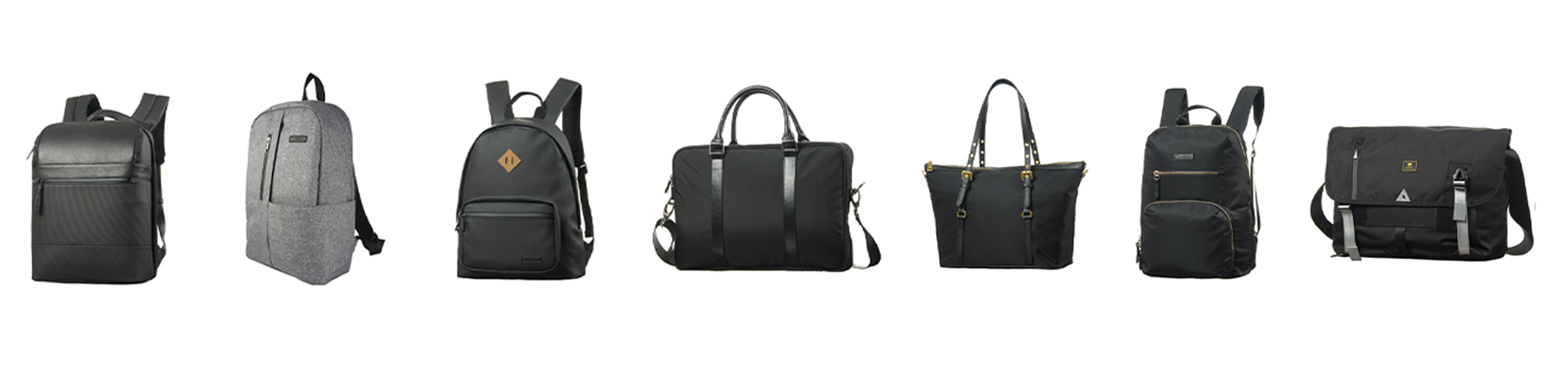
В производстве сумок ручка — это не только элемент, предназначенный для переноски, но и та часть, к которой потребители прикасаются чаще всего. Выбор способа изготовления ручки напрямую влияет на безопасность изделия, его прочность, удобство переноски и внешний вид.
Цель данной статьи — помочь командам разработчиков продукции и покупателям разобраться в различных технологиях изготовления ручек, их характеристиках и уровне себестоимости производства, что позволит им выбрать наиболее подходящую ручку в соответствии с позиционированием своего бренда и повысить общую конкурентоспособность продукции.
Далее я систематически проанализирую основные варианты изготовления ручек для сумок с трех точек зрения: структура, материал и функциональность. Независимо от того, планируете ли вы новую линейку продукции, оцениваете возможности поставщиков или управляете бюджетом, это руководство поможет вам сделать оптимальный выбор уже на ранней стадии разработки.
1.1 Ручка, вшитая непосредственно в корпусРучка пришита непосредственно к корпусу сумки, что обеспечивает прочность, долговечность и аккуратный, обтекаемый внешний вид.
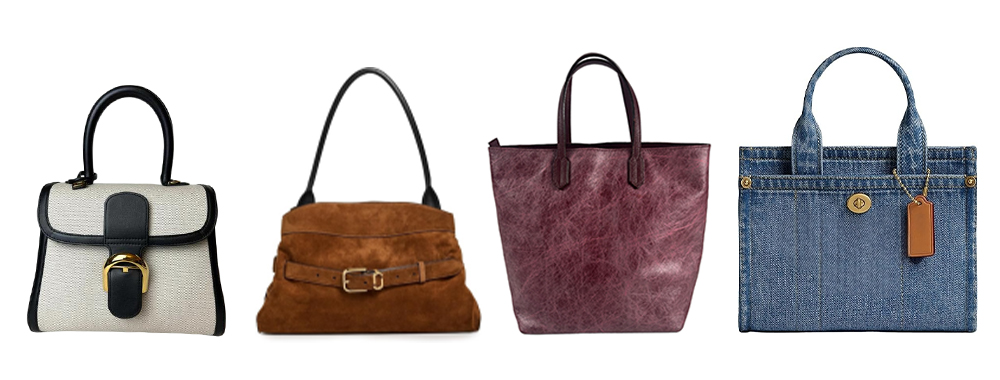
Пример сумки с пришитой ручкой
1.2. Рукоятка крепится с помощью металлического кольца или металлической пряжки.Ручка крепится к корпусу сумки с помощью металлических колец или пряжек, что позволяет отсоединять ее или регулировать по длине.
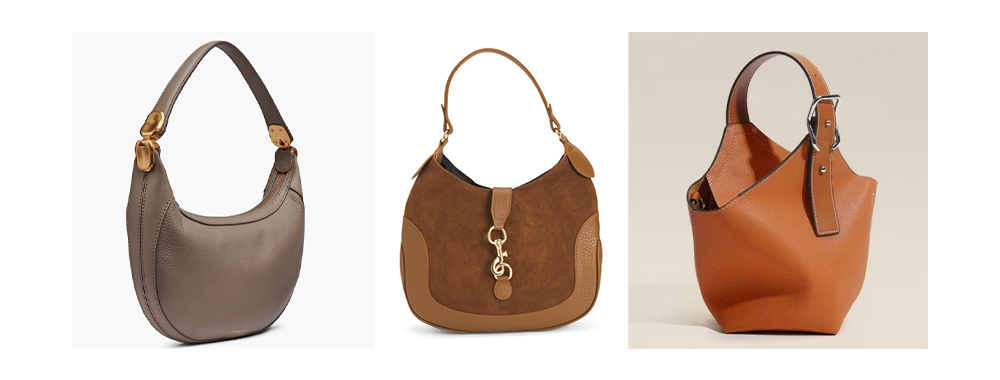 Пример сумочки с ручкой, закрепленной металлической пряжкой.
1.3 Ручка с узломКонцы ручки крепятся непосредственно через люверсы сумки в виде узлов, не требуя дополнительной металлической фурнитуры, что придает изделию непринужденный и естественный вид.
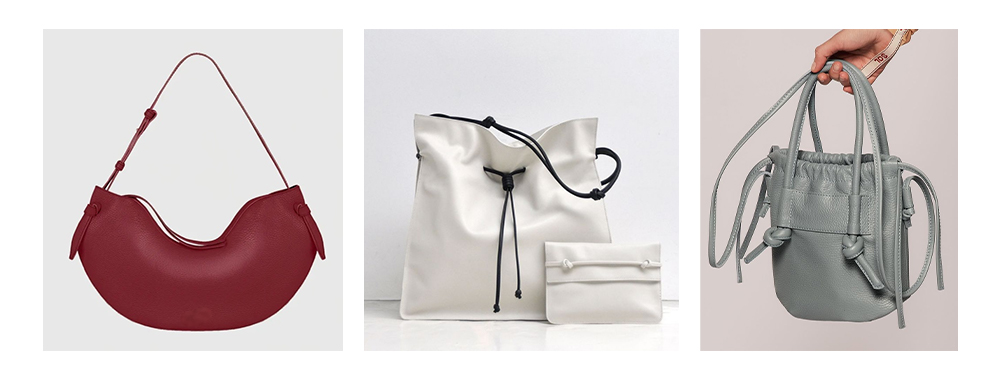
Пример сумочки с ручкой, закрепленной узлом.
1.4 Встроенная/цельная ручкаРучка и корпус сумки выполнены как единое целое, что обычно используется в жестких кожаных или мягких сумках. Меньшее количество швов обеспечивает плавные и чистые линии в целом.
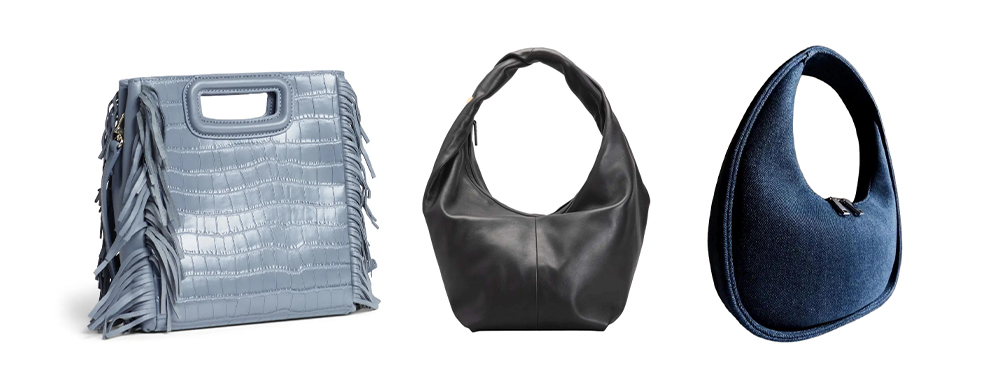
Пример интегрированной сумки
2.1 Кожаные ручкиКлассический и прочный дизайн, возможность добавления мягкой подкладки или использования полой конструкции для повышения комфорта.
2.1.1 Классические модели (плоские ручки, круглые ручки, ручки с мягкой обивкой)
2.1.1.1 Плоские ручки: Один из самых простых и распространенных типов ручек в производстве сумок. Его основная особенность заключается в том, что ручка плоская и напоминает ремешок, и она пришивается непосредственно к поверхности сумки с помощью декоративной или скрытой строчки.
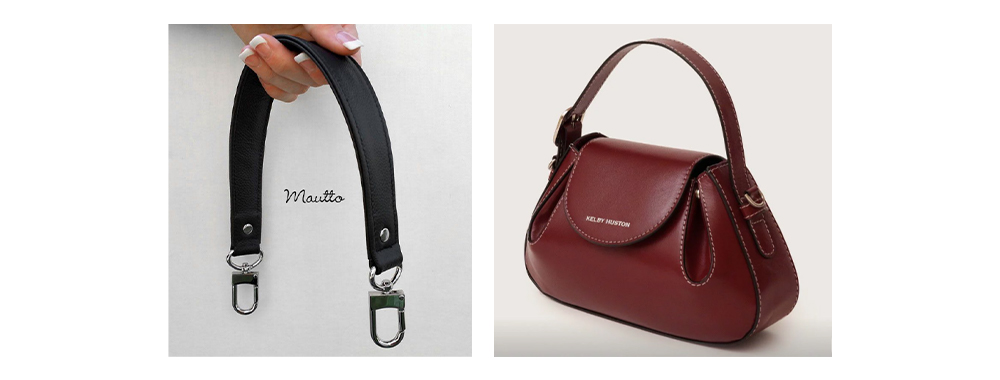
Пример плоской ручки для шитья
2.1.1.2 Рукоятки трубокЭто относится к ручкам с круглым или почти трубчатым поперечным сечением. Чтобы предотвратить деформацию трубки, в её сердцевину часто добавляют такие материалы, как хлопковый шнур, полипропиленовый трос, пластиковые трубки или полоски пенопласта. Такая конструкция обеспечивает удобный захват в ладони и часто используется в сумках в винтажном стиле.
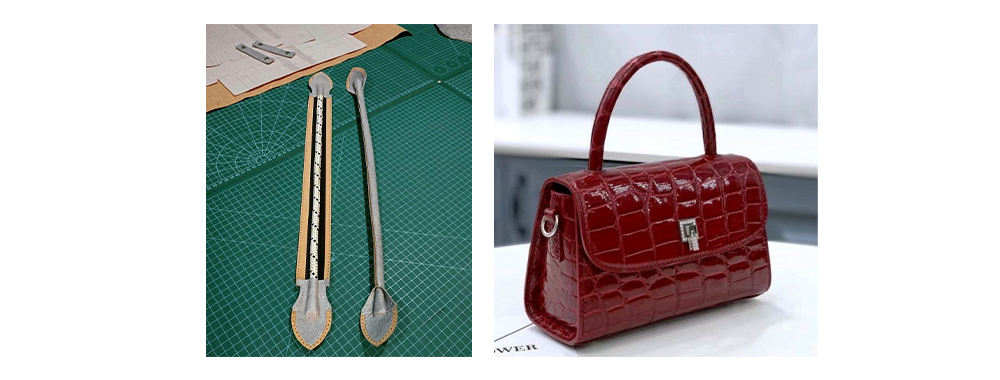
Пример кожаной круглой ручки
2.1.1.3 Мягкие ручкиЭти ручки имеют мягкие материалы, такие как губка или пена, вставленные внутрь кожи, что делает их приятными на ощупь и удобными для захвата. Они подходят для вместительных, прочных сумок, позволяя носить их длительное время без нагрузки на ладонь.
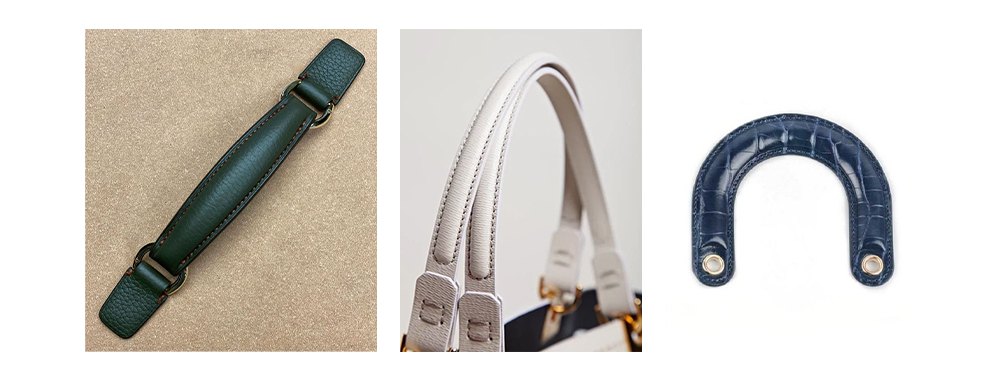 Пример мягкой кожаной ручки
2.1.2 Декоративные кожаные ручки
2.1.2.1 Плетеная кожаная ручкаРучка образована множеством тонких кожаных полосок, переплетенных между собой, что создает текстурированный, многослойный вид. Этот дизайн сочетает в себе винтажный стиль и эстетику ручной работы, подчеркивая изысканность и привлекательность сумки. Он часто используется в повседневных или винтажных сумках класса люкс.
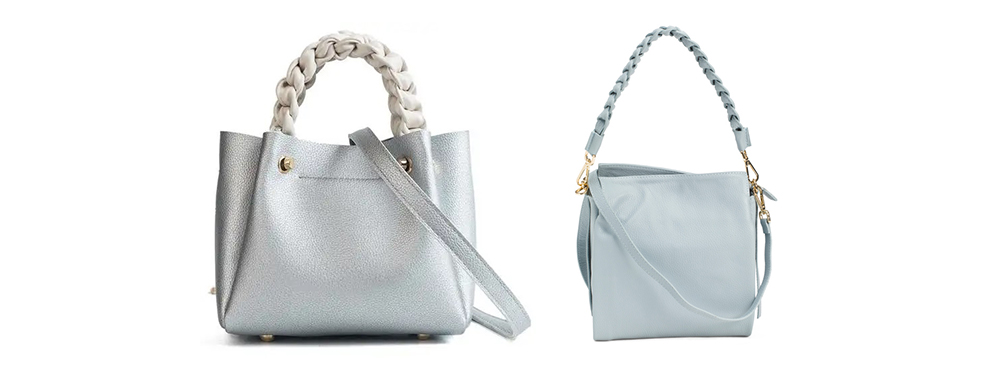 Пример плетеной кожаной ручки
2.1.2.2 Ручка в виде геометрической лоскутной цепочкиКожаные детали разных цветов и текстур вырезаются в геометрических формах, а затем соединяются между собой. Это создает уникальный визуальный эффект и отвечает индивидуальным требованиям к дизайну сумки.
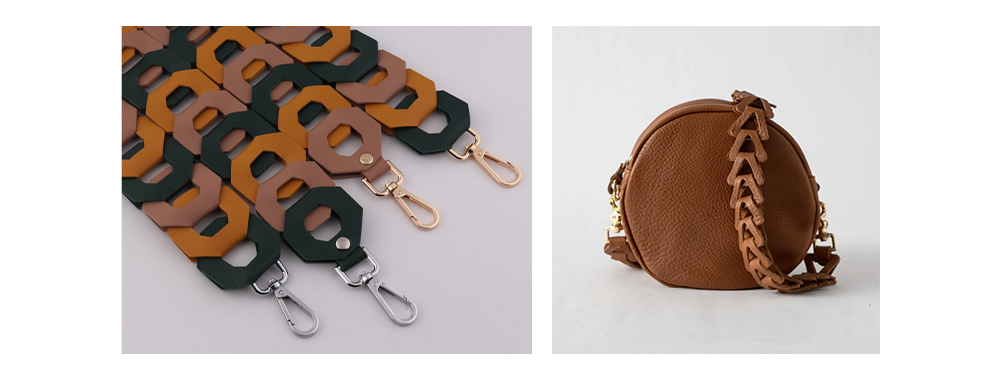
Пример геометрической стыковки кожи с ручкой
2.1.2.3 Кожа в сочетании с ленточной или текстильной ручкойЛента или тесьма вплетаются в кожаную ручку, сохраняя текстуру кожи и добавляя более насыщенные цвета и узоры за счет тканевых элементов.
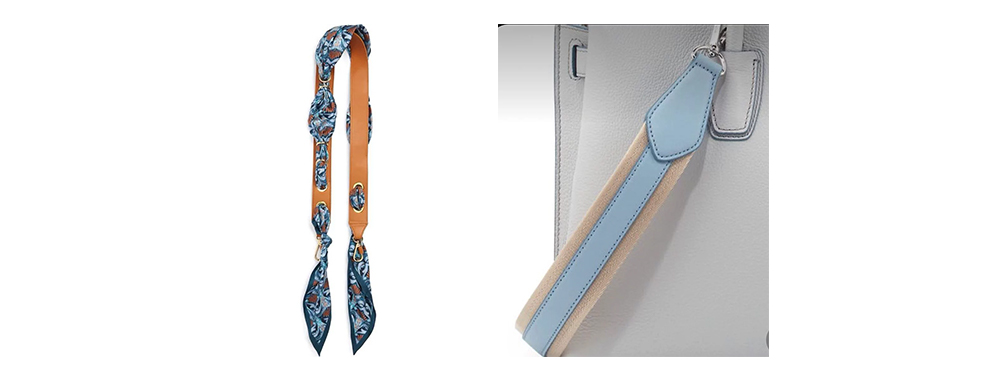
Пример ручки из кожи и ткани
2.1.2.4 Кожаная и металлическая ручка 2-в-1Металлические элементы, такие как пряжки, цепочки или трубки, сочетаются с кожей, что придает ручке изысканность и привлекательность дизайна. Кроме того, металлические детали помогают укрепить конструкцию и подчеркнуть общую стилистическую индивидуальность сумки.
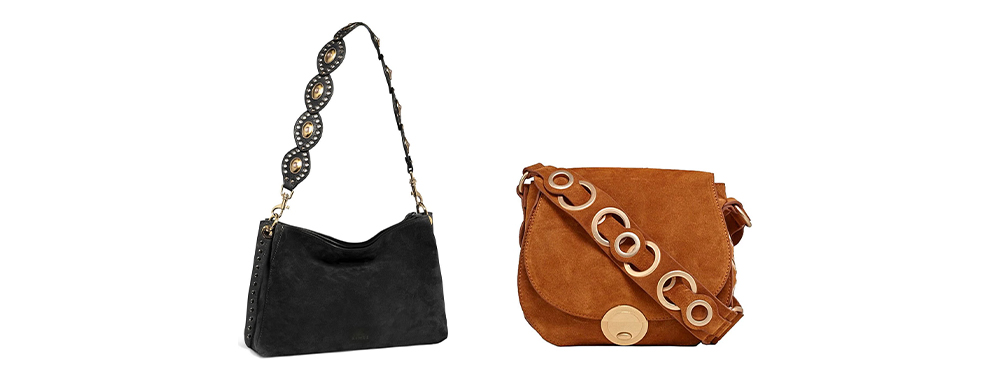 Пример рукоятки из кожи и металла.
2.1.2.5 Кожа с ручками, обмотанными веревкойКусок кожи вручную обматывается вокруг тесьмы, хлопкового шнура или жесткого сердечника, а затем пришивается или приклеивается. Кожа, как правило, покрывает только ту часть, которую держат в руке, обеспечивая баланс между практичностью и эстетикой дизайна.
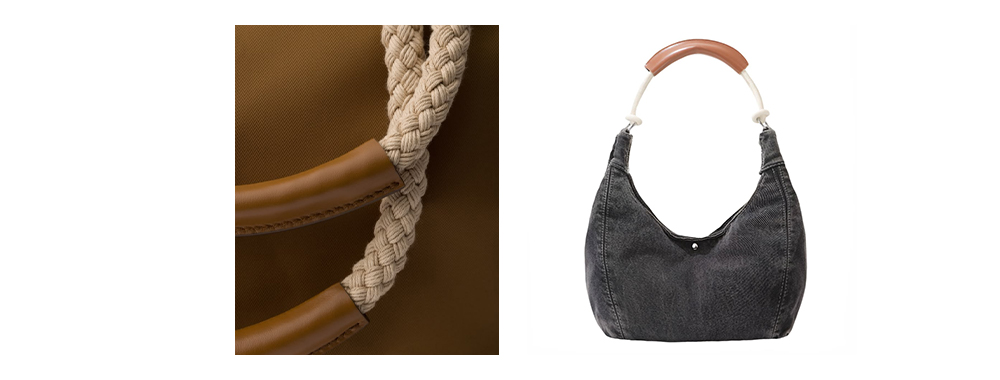
Пример рукоятки, обмотанной кожей.
2.2 Ручки из ткани/ленты/нейлонового шнураЭти легкие и повседневные ручки могут быть выполнены в сочетании цветов или иметь принтованные/жаккардовые узоры.
2.2.1 Тканевые ручкиОбычно их изготавливают путем складывания и сшивания тканей, из которых сделаны сумки, таких как джинсовая и хлопчатобумажная ткань. Процесс производства прост и экономичен, а ручки легкие. Они подходят для повседневных сумок, дополняя расслабленный, непринужденный стиль таких моделей, как холщовые сумки и сумки-тоут.
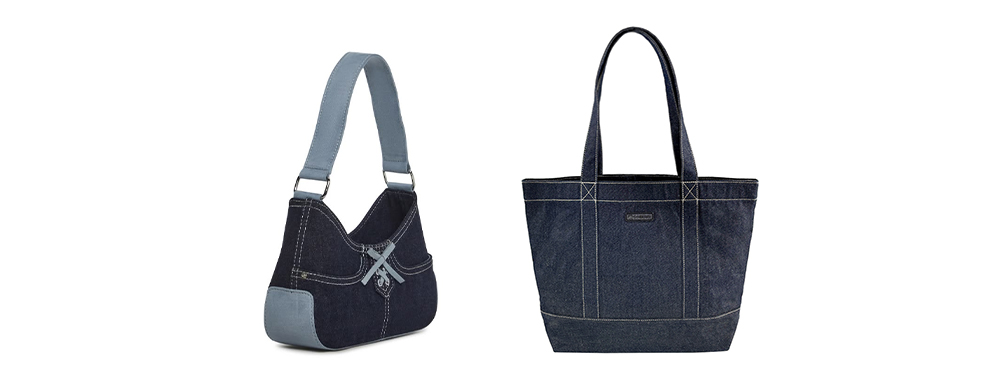
Пример тканевой ручки
2.2.2 Ручки из тесьмыРучки из текстильной ленты обычно изготавливаются из промышленно производимой ленты, такой как нейлон, полиэстер или чистый хлопок. Эти материалы по своей природе прочны и устойчивы к растяжению. Они также могут иметь жаккардовые узоры, принты или цветовые блоки, что позволяет быстро подобрать дизайн, соответствующий визуальной идентичности бренда. Ручки из текстильной ленты часто используются в повседневных и спортивных сумках.
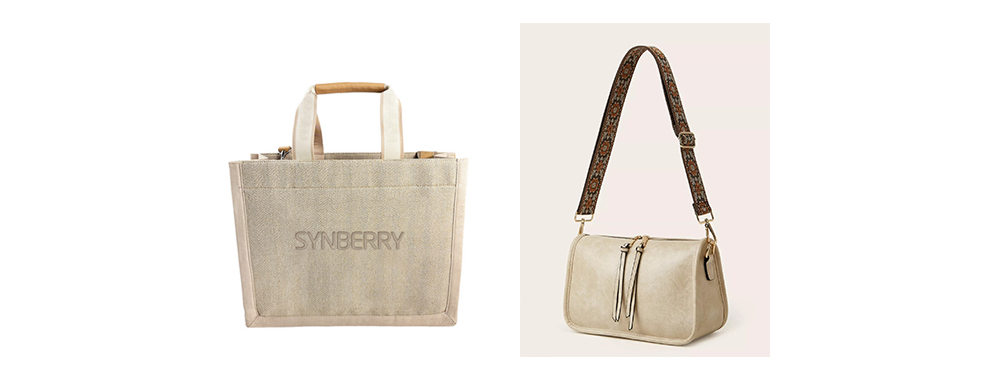
Пример ручки из тесьмы
2.2.3 Рукоятки из плетеного шнураЭти ручки, как правило, сплетены из нескольких нейлоновых волокон, они прочные, долговечные и износостойкие, а также отличаются яркими цветами. Часто они имеют простой, повседневный дизайн, созданный путем завязывания узлов или плетения, и обычно используются в повседневных или походных сумках.
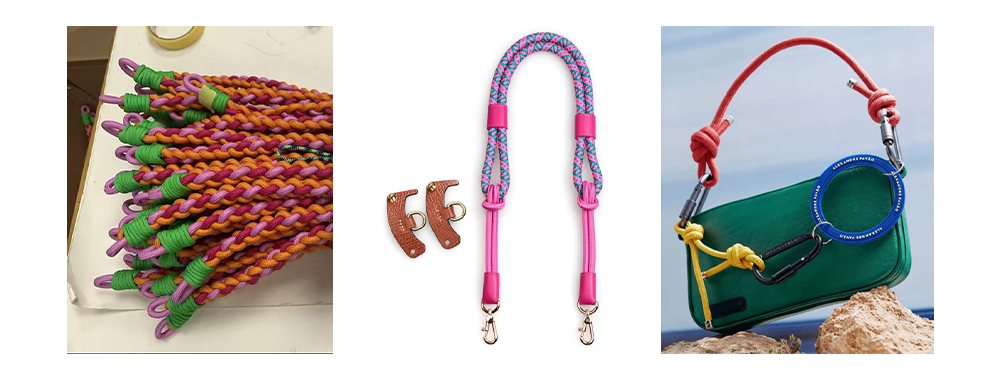
Демонстрация ручки из завязанной нейлоновой веревки.
2.3 Металлические ручкиОтличаясь элегантным и премиальным дизайном, металлические ручки не только выдерживают значительную нагрузку, но и служат визуальными акцентами, улучшая общий вид сумки.
2.3.1 Металлические цепные ручкиЭти ручки, обычно изготавливаемые путем соединения сегментов металлической цепи, отличаются изысканным и универсальным стилем. Их можно сочетать с другими материалами, такими как кожа, создавая как винтажно-элегантные, так и современные, доступные по цене роскошные образы. Ручки из металлической цепи можно использовать как в качестве ручки для переноски, так и в качестве плечевого ремня, что делает их подходящими для самых разных моделей сумок.
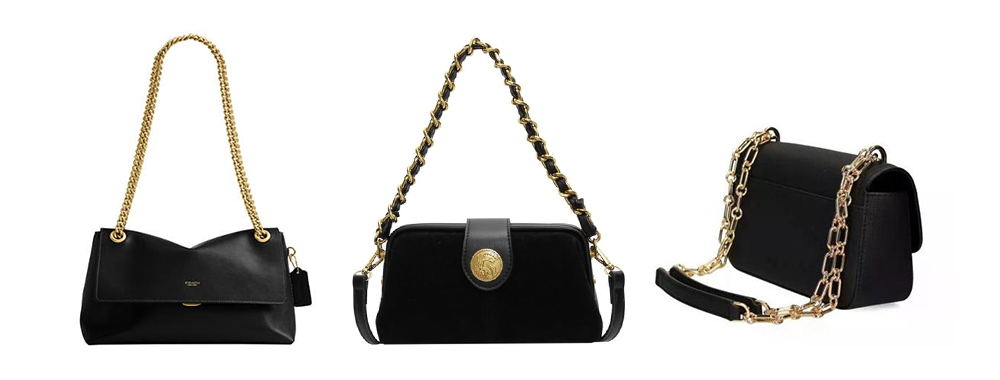
Демонстрация металлических цепочек с ручками
2.3.2 Жесткие цельнометаллические ручкиЭти ручки, как правило, имеют единую, фиксированную форму и отличаются прочностью и надежностью. Они часто используются в качестве верхних ручек на жестких сумках, крепясь к отверстию сумки.
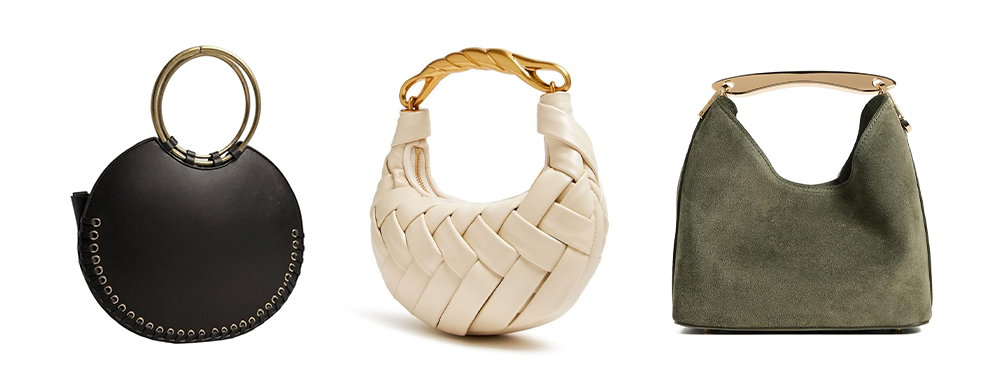
Демонстрация жесткой металлической ручки
2.4 Пластиковые ручкиОтличаясь ярко выраженной современной эстетикой, пластиковые ручки могут быть выполнены в прозрачном или цветном варианте.
2.4.1 Пластиковые цепные ручкиИзготовленные путем соединения отдельных звеньев пластиковой цепочки, отлитых под давлением, эти ручки легче и экономичнее, чем металлические цепочки. Они могут быть полупрозрачными, пастельных или желеобразных цветов, чтобы соответствовать молодежным и модным стилям сумок.
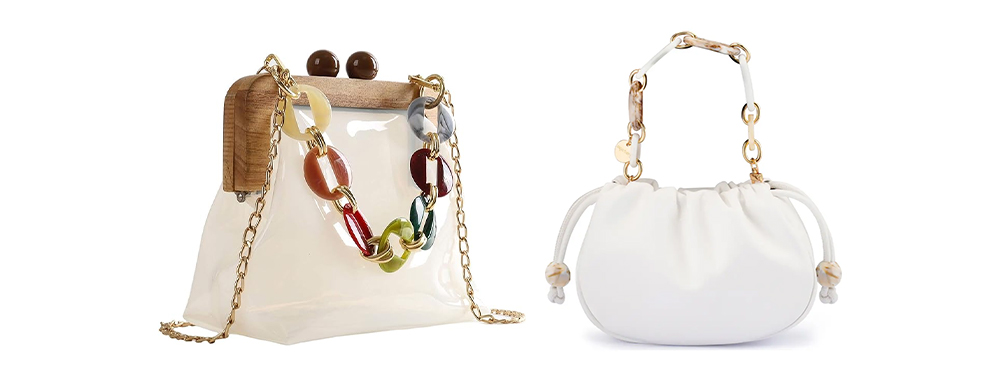
Демонстрация пластиковой цепной ручки
2.4.2 Цельные жесткие ручки, изготовленные методом литья под давлением пластикаЭти ручки, изготовленные методом литья под давлением для придания им заданной формы, часто используются на жестких сумках. Они легкие и устойчивы к ржавчине и изменению цвета.
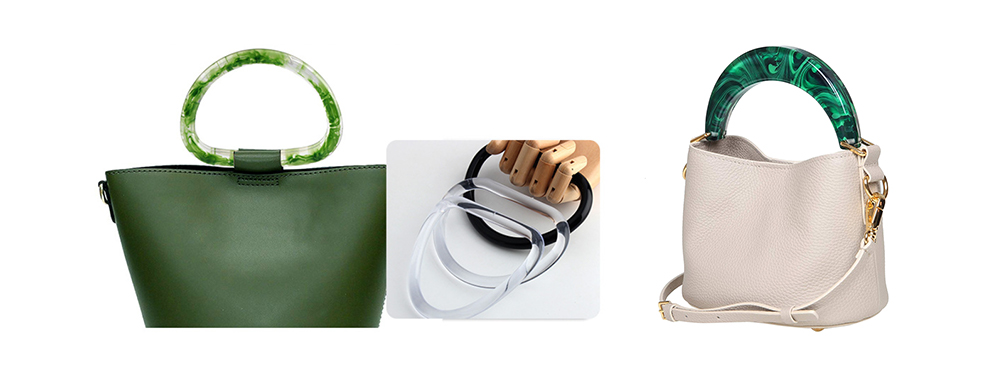
Демонстрация интегрированной литой под давлением прочной ручки
2.4.3 Ручки в виде жемчужных колецЭти ручки, обычно изготовленные из пластиковых бусин, имитирующих жемчуг, легкие и мягкие на ощупь. Они создают нежный, милый образ в винтажном стиле и часто используются на небольших, изысканных вечерних сумочках или женских подмышечных сумочках, придавая образу высокую степень визуальной утонченности.
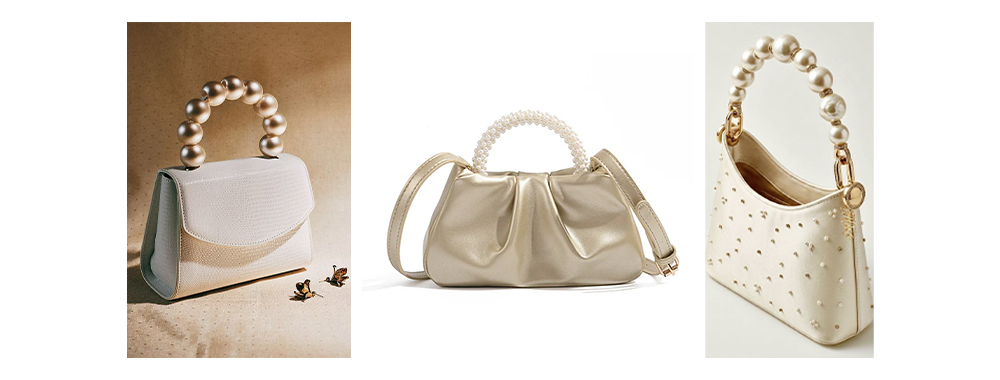
Демонстрация ручки из пластиковых жемчужин
2,5 деревянных ручкиБлагодаря натуральной текстуре, деревянные ручки придают сумке винтажный и художественный вид. Обычно они жесткие и прочные, что добавляет сумке ощущение высокого качества.
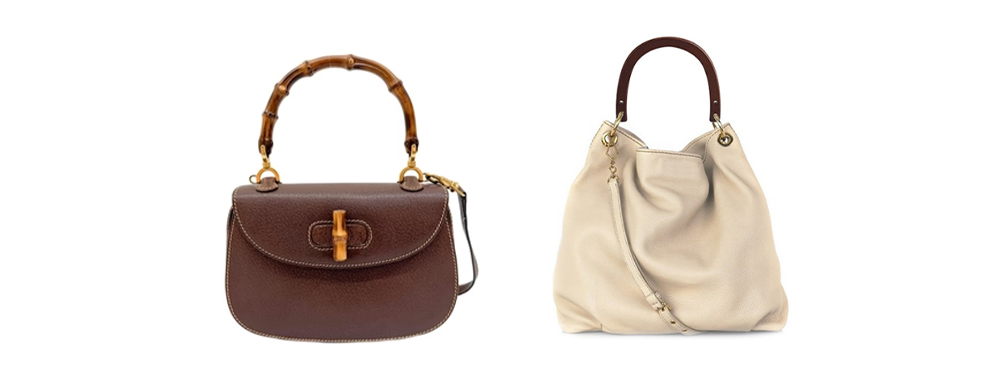
Демонстрация деревянной ручки
3.1 Короткие ручки для переноскиОбычно используется для ношения в руке, имеет длину, достаточную для удобного размещения в ладони.
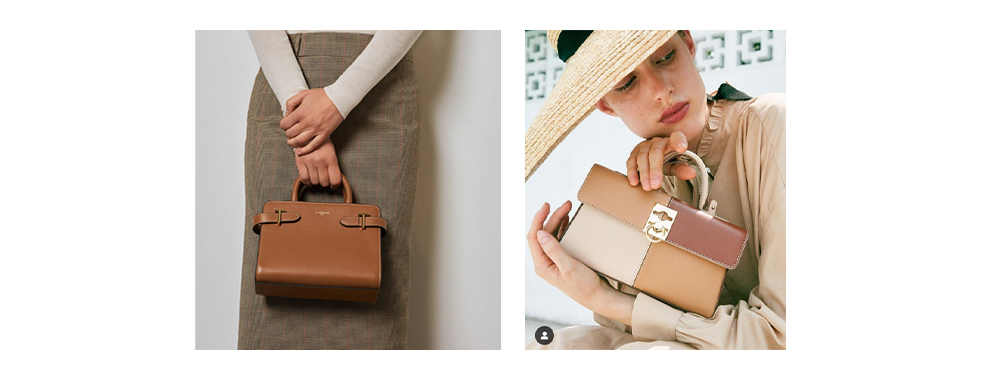
Демонстрация сумки с короткой ручкой
3.2 Длинные плечевые ремниМожно носить через плечо или на плече, сочетая практичность и универсальность.
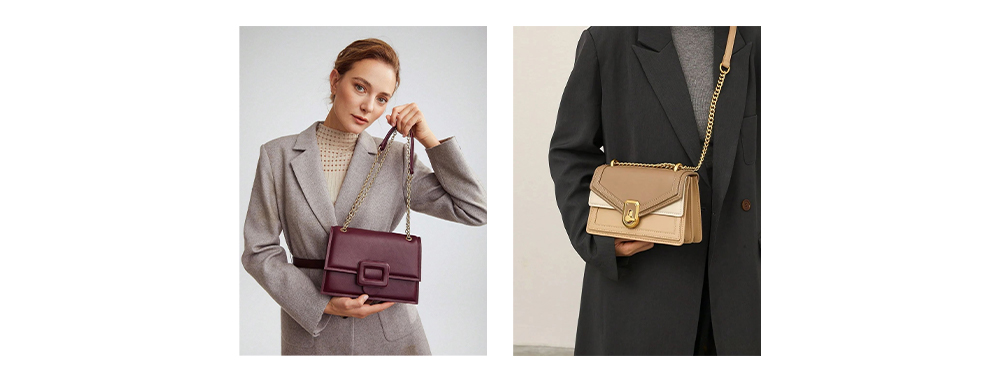
Демонстрация сумки с длинной плечевой ручкой.
3.3 Двухфункциональные ручкиСумка оснащена короткими верхними ручками для переноски в руке, а также длинным регулируемым плечевым ремнем, что повышает ее универсальность и гибкость.
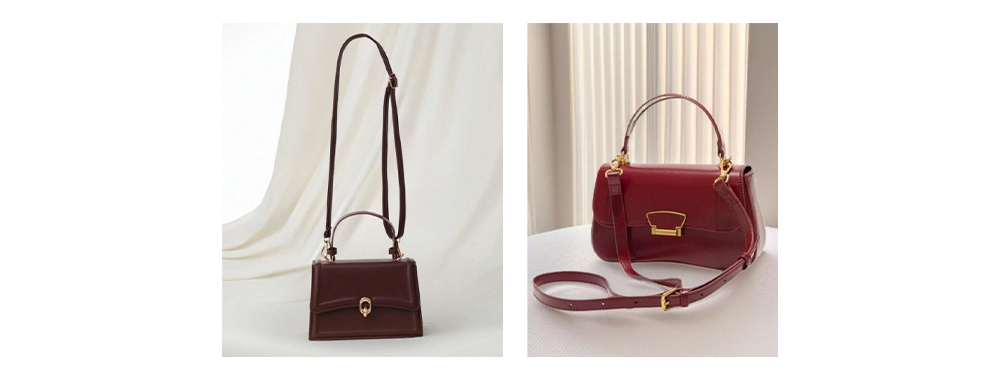
Демонстрация сумки с двумя ручками.
Выбор ручки никогда не является изолированным дизайнерским решением; он представляет собой баланс между позиционированием продукта, удобством использования и затратами в цепочке поставок. Следующая структура помогает брендам установить систематическую логику соответствия по трем параметрам: цена, сценарии использования и стиль.
Тип сумки / Сценарий | Рекомендуемый способ крепления | Ключевые технические моменты |
Повседневная сумка для поездок на работу / сумка для покупок | Пришитые плоские ручки или короткие ручки из тесьмы. | Укрепите места, подверженные нагрузке, закрепочными стежками; для вместительных сумок добавьте подкладку, чтобы предотвратить напряжение в руках. |
Повседневная сумка для отдыха/пляжа | Нейлоновые ручки с узлами или встроенные ручки. | Концы узлов следует запаять термической обработкой или металлическими колпачками, чтобы предотвратить расслоение; встроенные ручки должны быть достаточно плотными, чтобы выдерживать нагрузку. |
Вечерняя / мини-сумочка | Металлические жесткие ручки или жемчужные/пластиковые цепочки | Визуальное воздействие имеет приоритет; требования к несущей способности невелики, поэтому усиление конструкции можно свести к минимуму, но необходимо уделять внимание окислению крепежных элементов. |
Деловой портфель | Ручки с кожаной вставкой или жесткие металлические ручки, обтянутые кожей. | Каркасная конструкция сумки в сочетании со вставными ручками создает более лаконичный дизайн; кожаная отделка рукоятки повышает комфорт. |
Ручки — это одно из первых мест, на которое обращает внимание покупатель, поэтому их материал и качество изготовления должны соответствовать общему дизайну сумки:
В1: Какие наиболее распространенные проблемы с качеством ручек?
А: С точки зрения производства, наиболее распространенными проблемами являются распускание швов в местах наибольшей нагрузки, отрыв фурнитуры и провисание или образование складок на коже после длительного использования. Для предотвращения этих проблем наиболее важным этапом является усиление мест наибольшей нагрузки на этапе подготовки к производству: все соединения ручек с сумкой должны быть усилены закрепками, основные места наибольшей нагрузки должны быть дополнительно прошиты, съемные ручки должны использовать фурнитуру, рассчитанную на предполагаемую нагрузку, а провисание или образование складок на коже можно предотвратить путем предварительной обработки и усадки кожи перед обмоткой, а также путем выбора кожи соответствующей толщины.
В2: Отличается ли минимальный объем заказа для ручек, изготовленных из разных материалов?
А: Да. Изготовление простых ручек с прошивкой и ручек из шнура/веревки осуществляется по более простым технологиям, и минимальный объем заказа обычно составляет 300–500 штук. Для ручек из цепочки и ручек, обтянутых кожей, используются пресс-формы для фурнитуры или ручной труд, поэтому минимальный объем заказа для них обычно превышает 1000 штук.
В3: Существует ли отраслевой стандарт длины рукоятки?
А: Длина ручки зависит от типа сумки:
Однако точные размеры следует корректировать в зависимости от высоты сумки и целевой группы пользователей. Рекомендуется проводить испытания на износостойкость в реальных условиях на этапе изготовления предсерийного образца.
Вопрос 4: Можно ли разместить логотип бренда на ручке?
А: Да. К распространенным методам относятся:
Литье металла требует использования формы и подходит для крупных заказов, в то время как тиснение и шелкография больше подходят для мелкосерийного производства с гибкими возможностями индивидуализации.
Для получения дополнительной информации о персонализации логотипа на сумке.
Планируете новую коллекцию сумок? Сотрудничайте с SYNBERRY BAG для комплексного ODM/OEM производства.От доработки дизайна до готовых к производству образцов, наша команда предоставляет индивидуальные рекомендации по качеству изготовления и конкурентоспособные цены, чтобы воплотить вашу задумку в жизнь.
| Автор | ||||||
|
Пожалуйста, читайте дальше, оставайтесь в курсе, подписывайтесь, и мы приглашаем вас рассказать нам, что вы думаете.




Авторское право
@2024 Synberry Bag & Package Products Co.,Ltd Все права защищены
.
 ПОДДЕРЖИВАЕМАЯ СЕТЬ